
Biology
Mesodinium rubrum Boom-and-bust Cycles
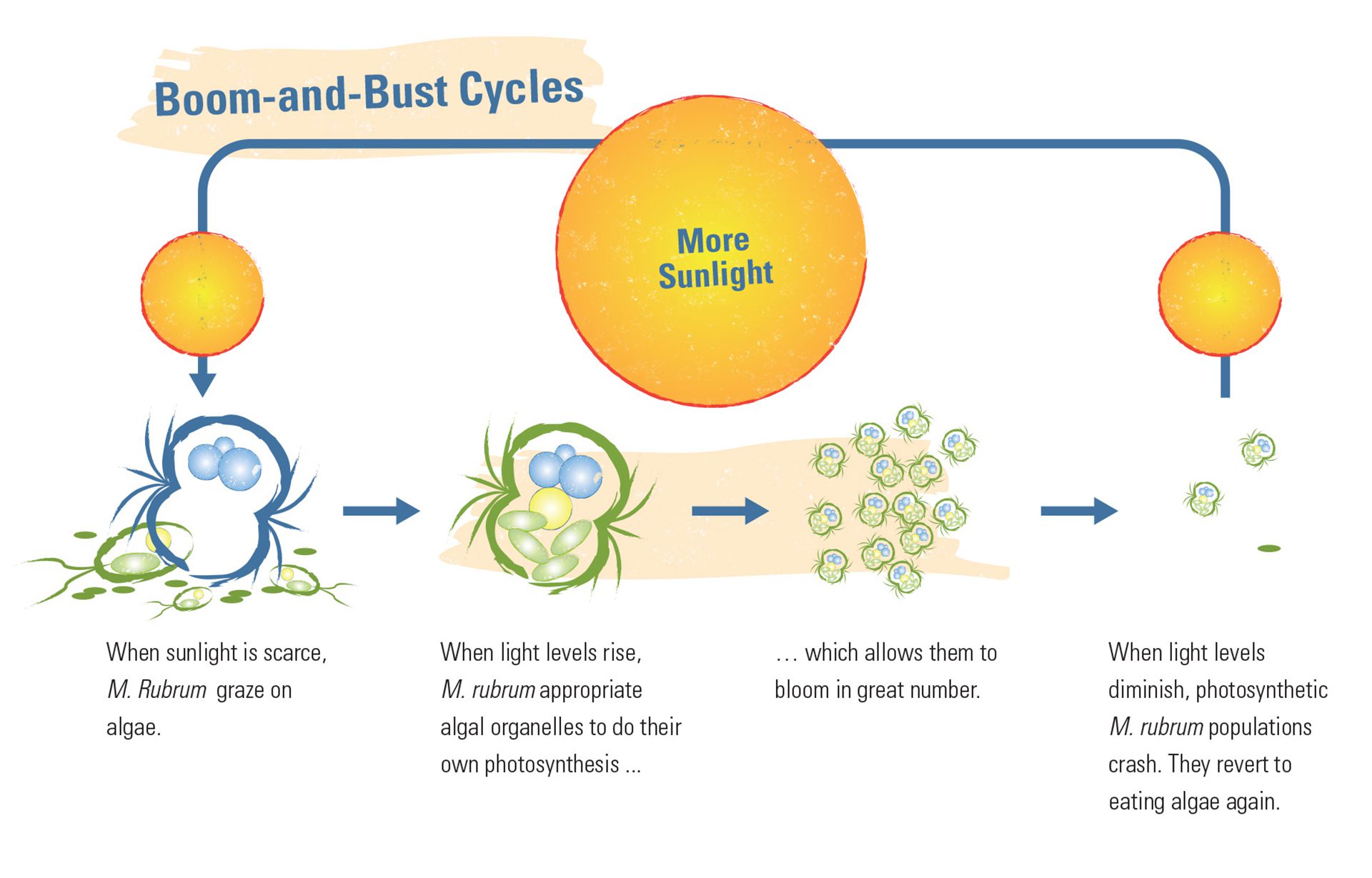
Mesodinium rubrum usually grow by eating algae, but it can also steal cellular machinery from algae and use it to make its own food via photosynthesis.
Read MoreIllustration of Alexandrium life cycle Red tide research
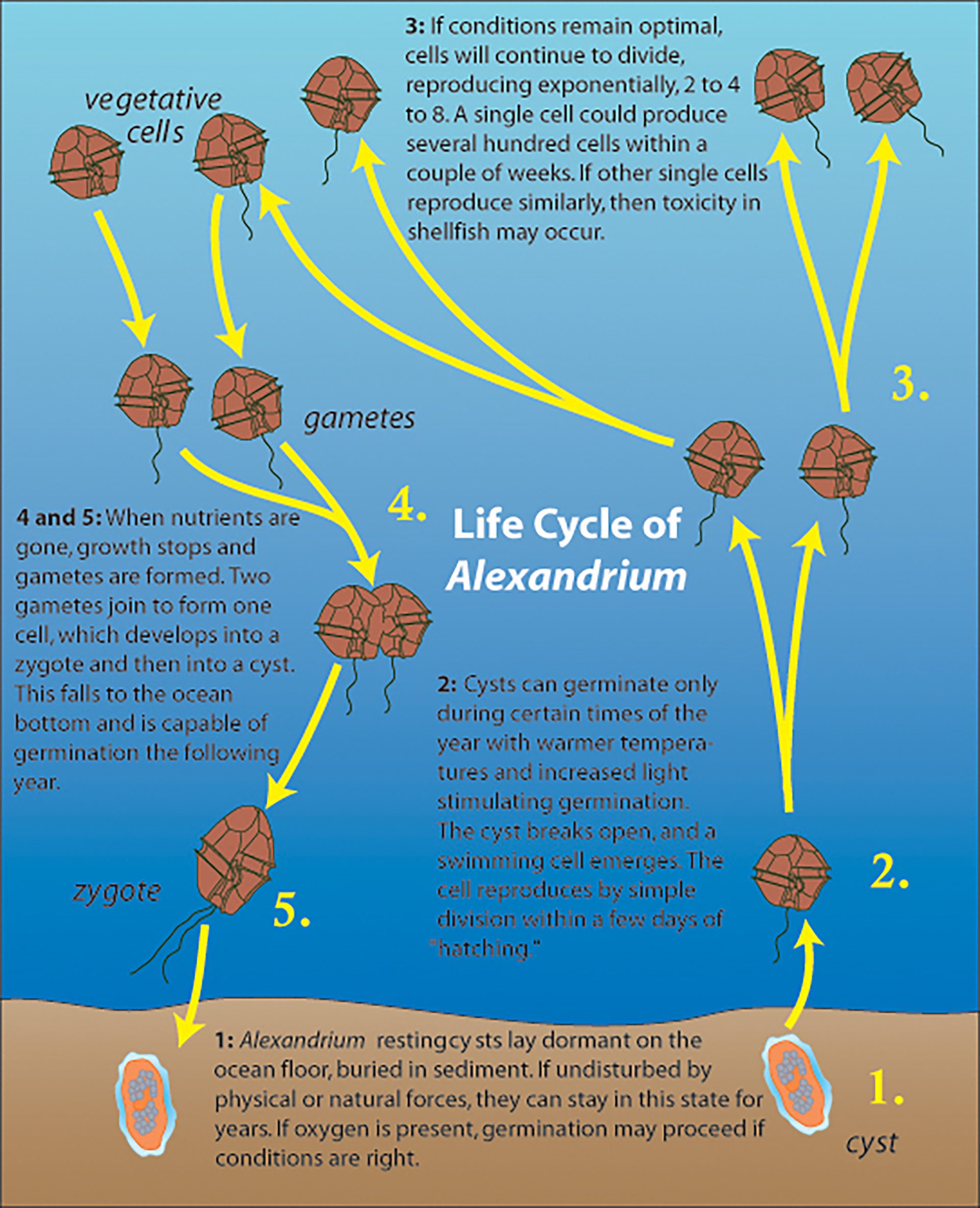
Dinoflagellates such as Alexandrium, which can cause harmful algal blooms, have effective strategies for survival and dispersal.
Read MoreIllustration of a whale-detection DMON buoy system
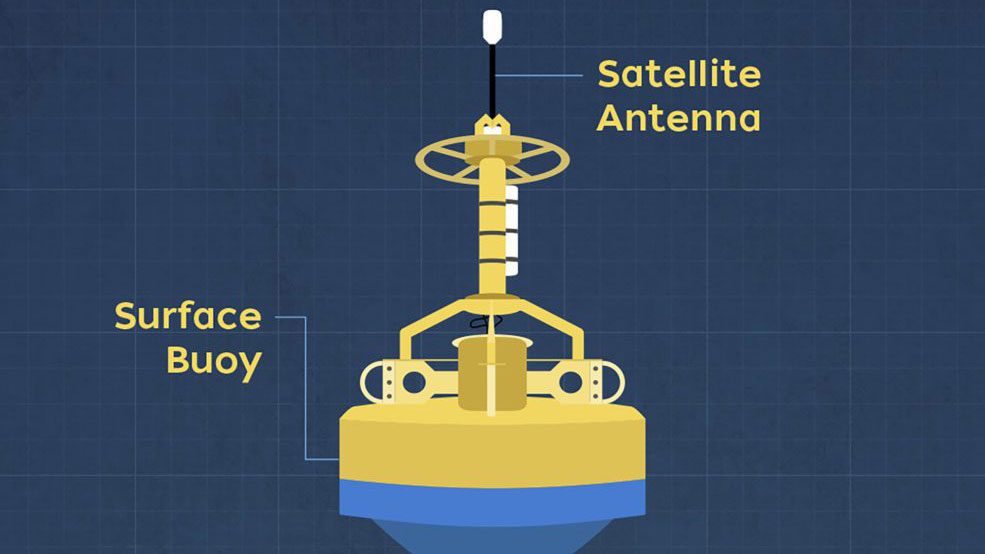
This whale detection system transmits information about whale sounds to shore in near real time.
Read MoreMass spectrometry process
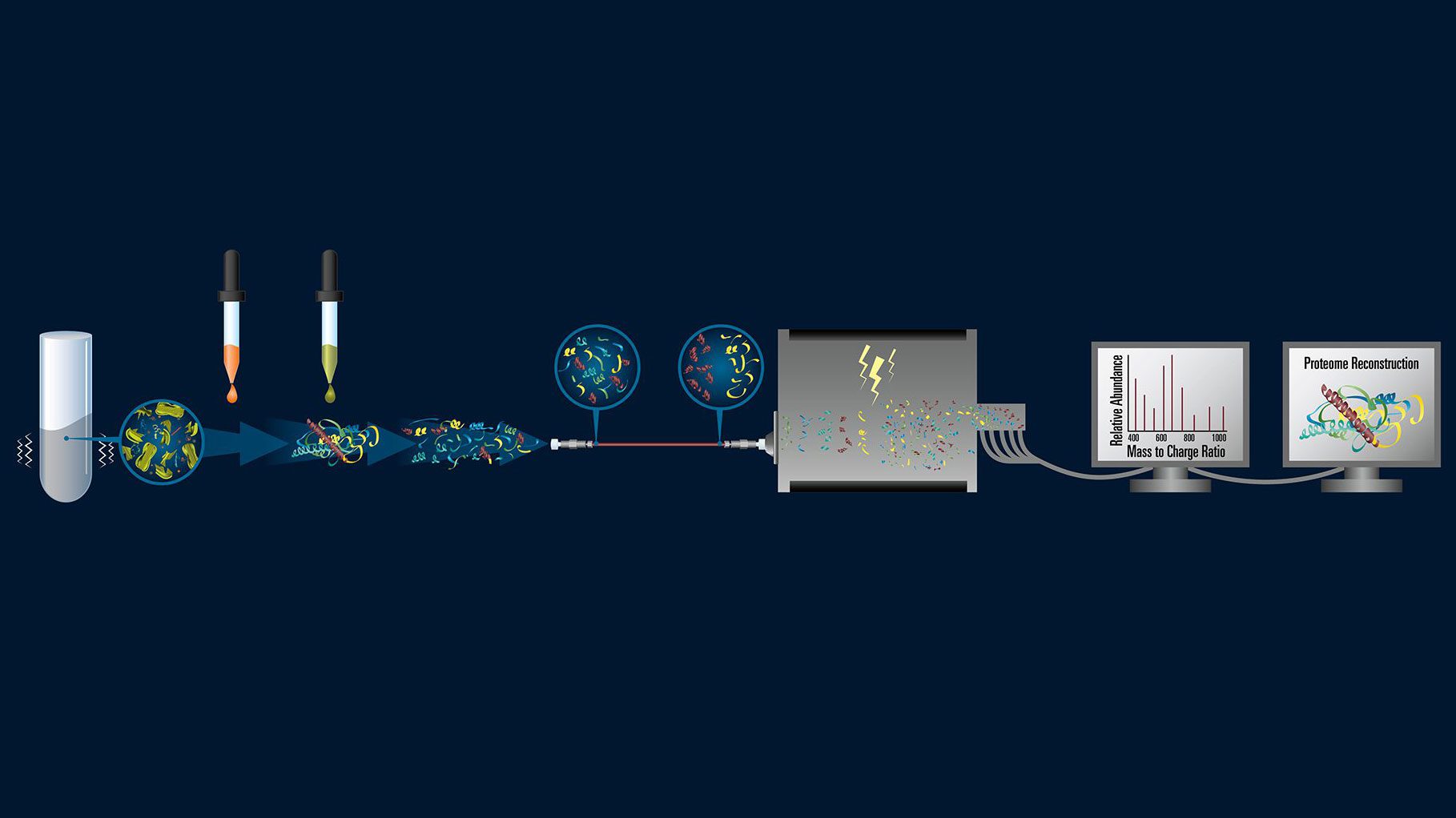
Proteomics helps scientists see how ocean organisms respond to change by analyzing the proteins they produce—not just what they can do, but what they are doing.
Read MoreSperm whale path
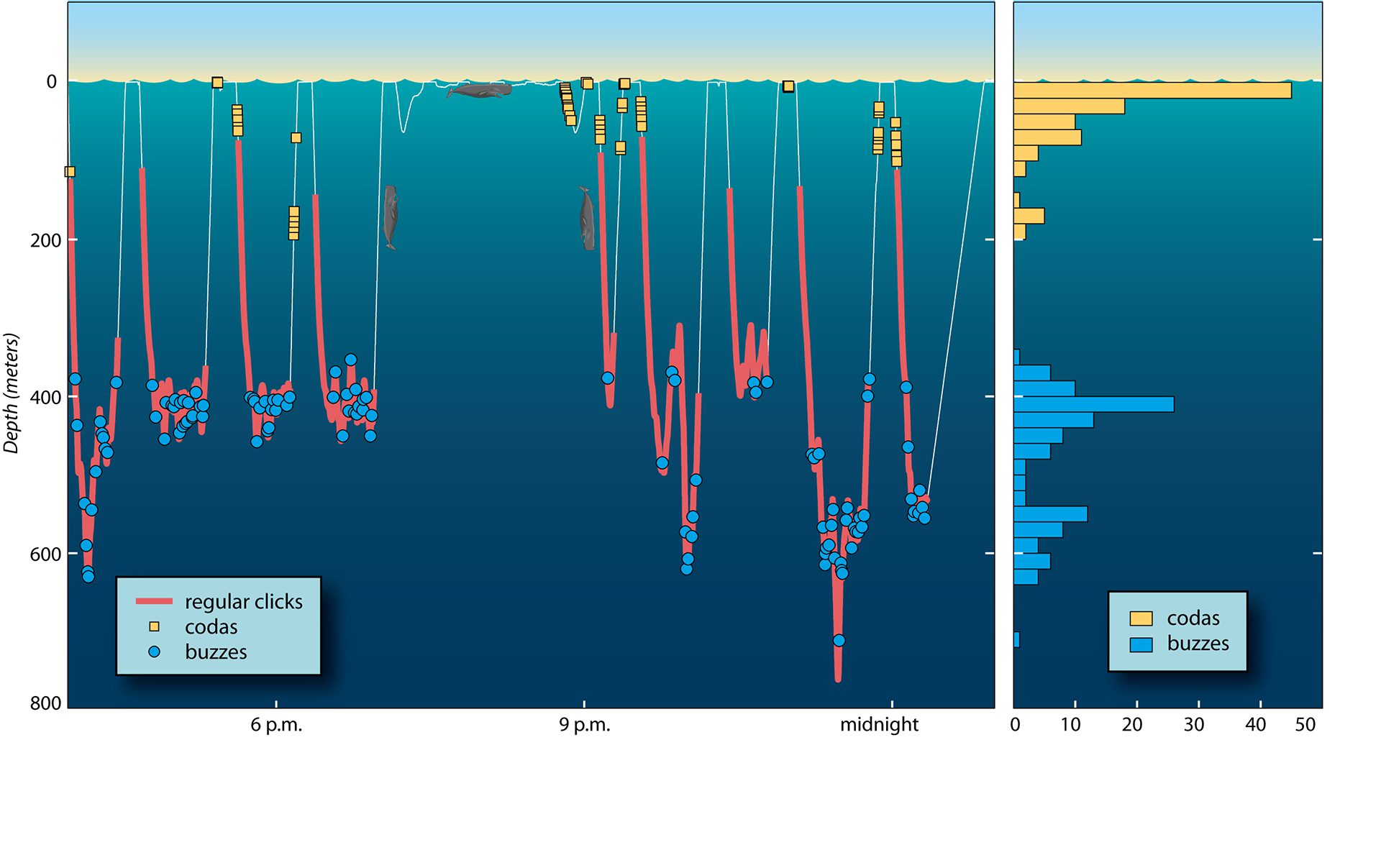
D-tag data show sperm whales use rhythmic “codas” to communicate and rapid “buzzes” to pinpoint prey, revealing how they navigate and hunt in the deep.
Read MoreHow fast deoxygenation can happen
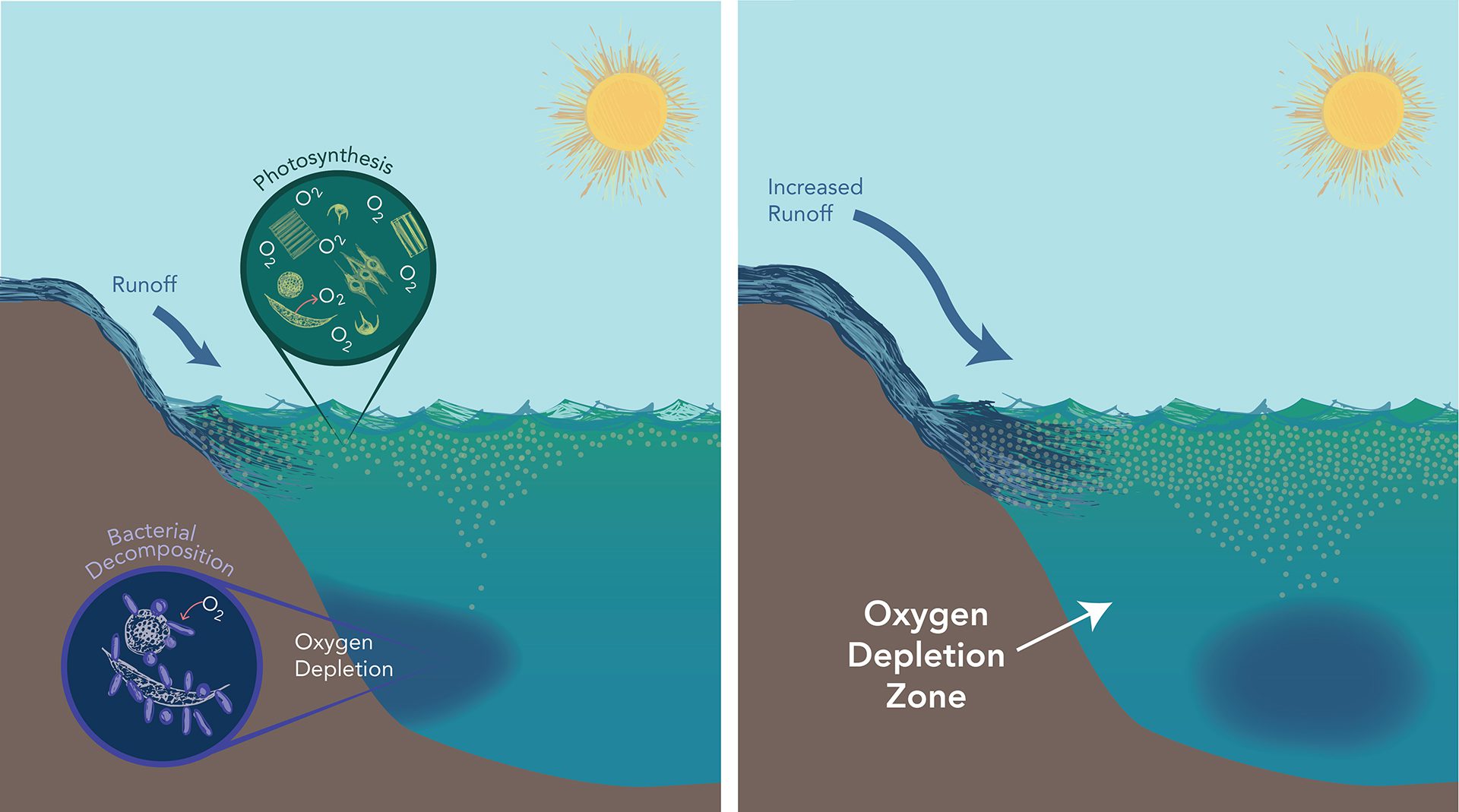
Phytoplankton use nutrients and sunlight to produce oxygen. Past nutrient spikes caused oxygen-depleted zones, echoing today’s ocean symptoms.
Read MoreThe carbon exchange cycle
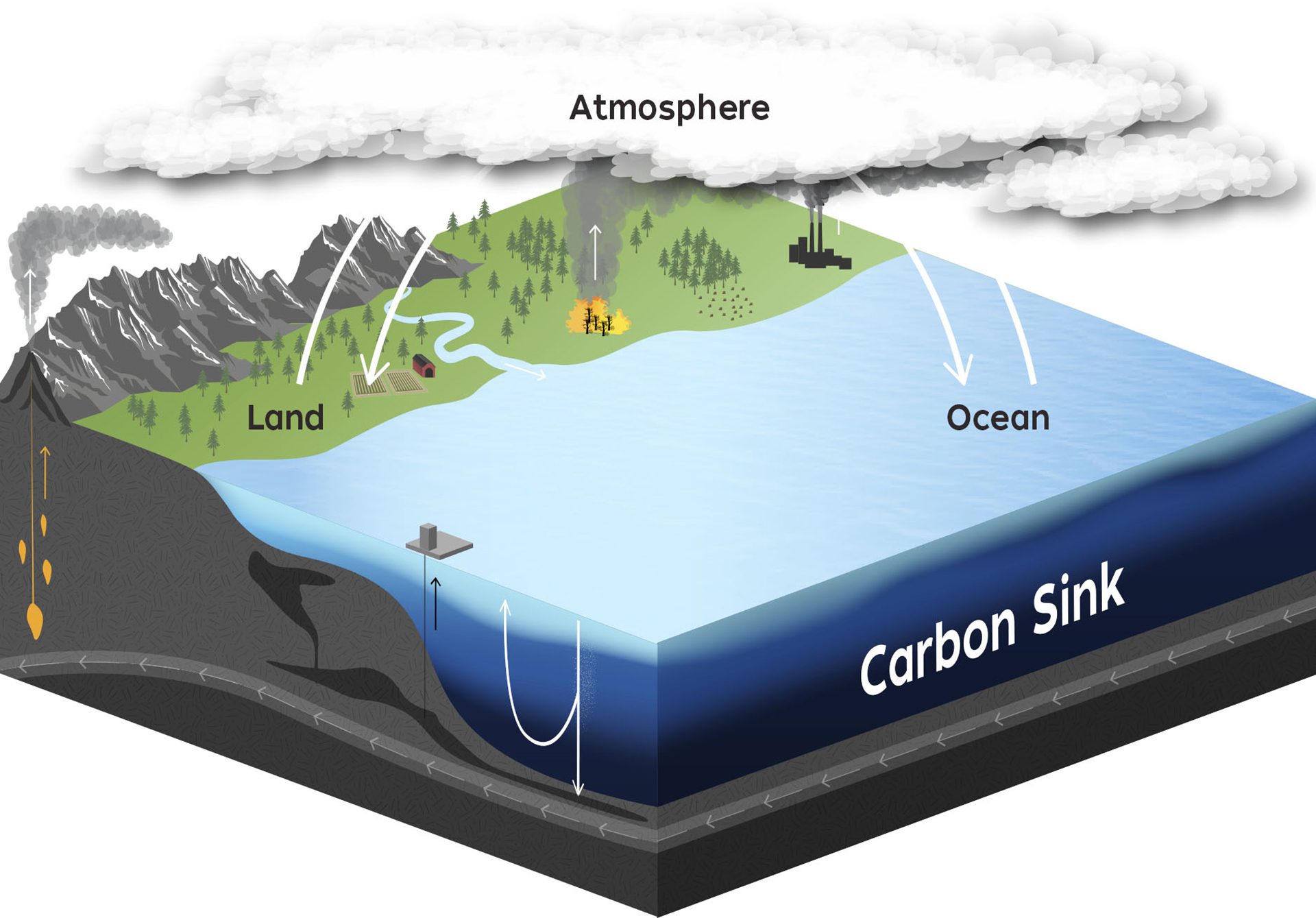
Carbon moves between air, land, and sea. In the ocean, CO? dissolves, is used by life, or stored in deep rocks—key to climate and life on Earth.
Read MoreTransport of copepods through the water column
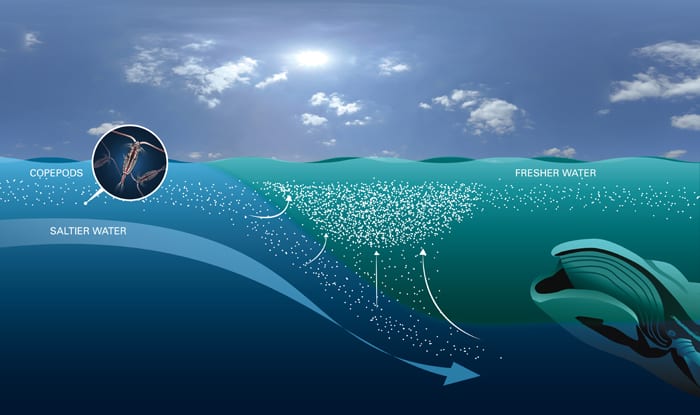
The Great South Channel ocean front forms where fresh coastal water meets saltier water, causing copepods to gather in dense patches as they sink and swim back up the front.
Read MoreHow the Dimethylsulfoniopropionate (DMSP) compound affects the environment
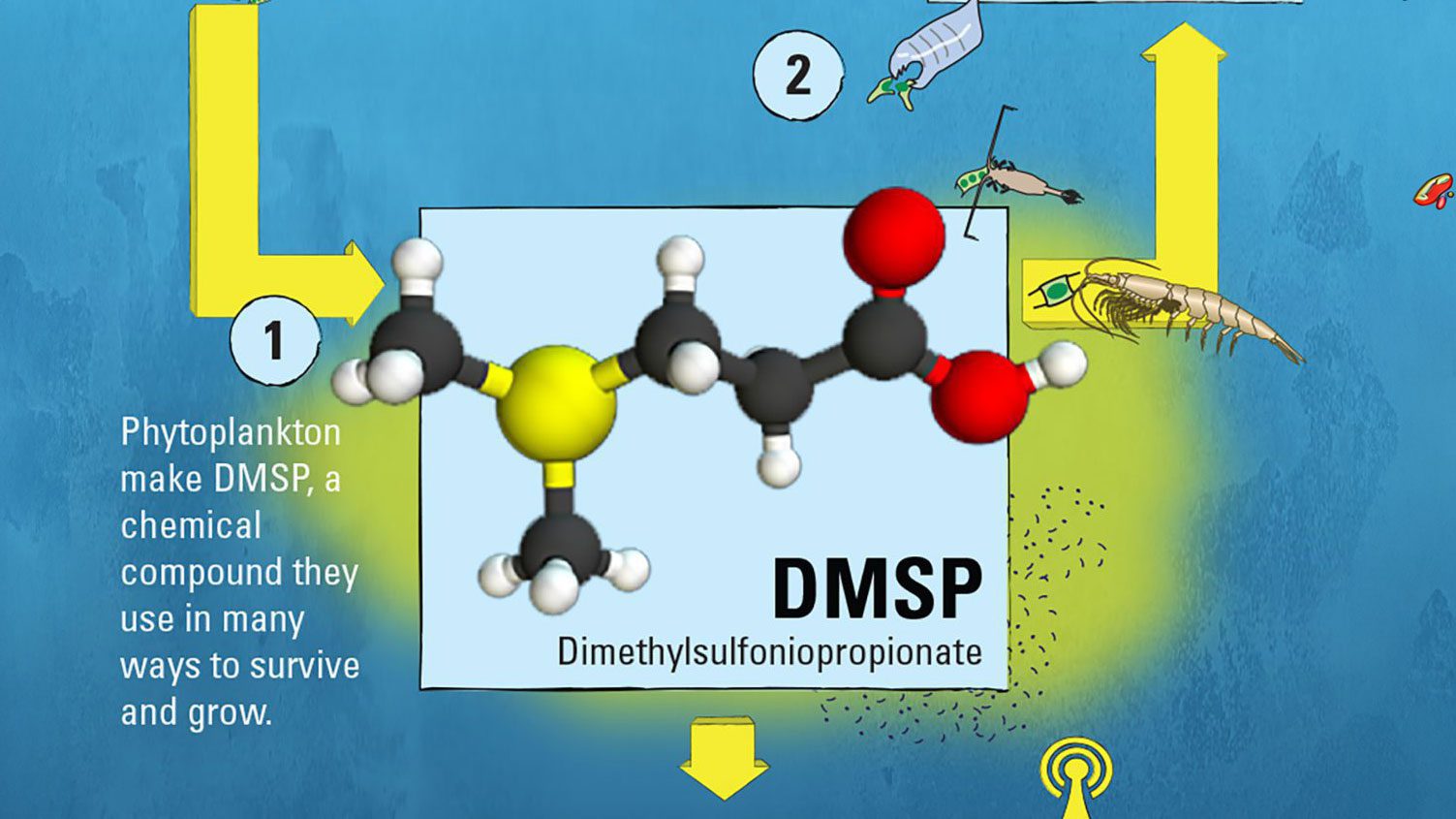
DMSP is synthesized by phytoplankton—the microscopic marine plants at the heart of the ocean food web—for a variety of beneficial uses.
Read MoreHow biomagnification works
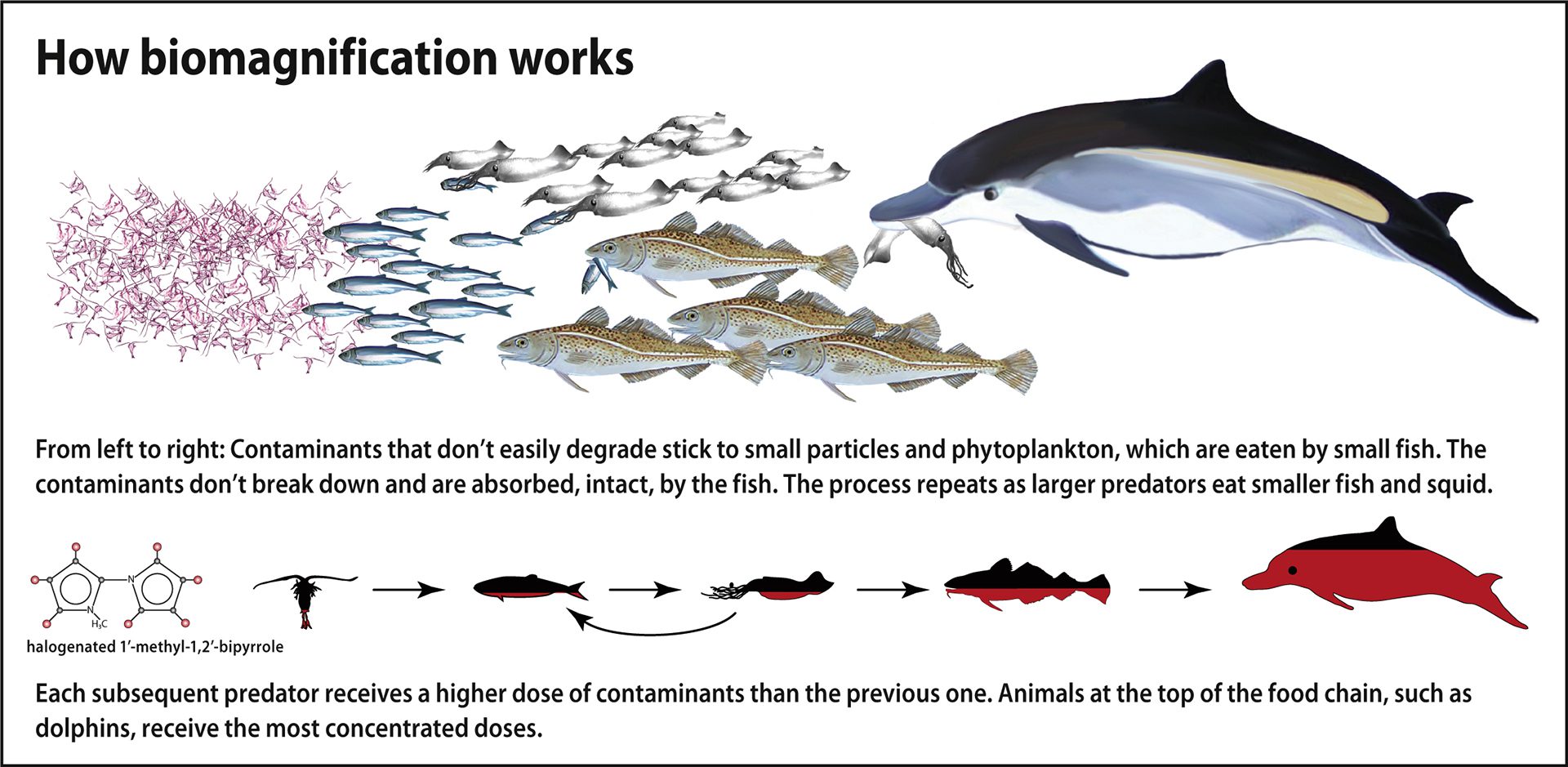
Contaminants cling to tiny particles eaten by small fish, then concentrate up the food chain. Top predators like dolphins get the highest contaminant doses.
Read MoreIllustration depicting the chemical journey of leaf wax
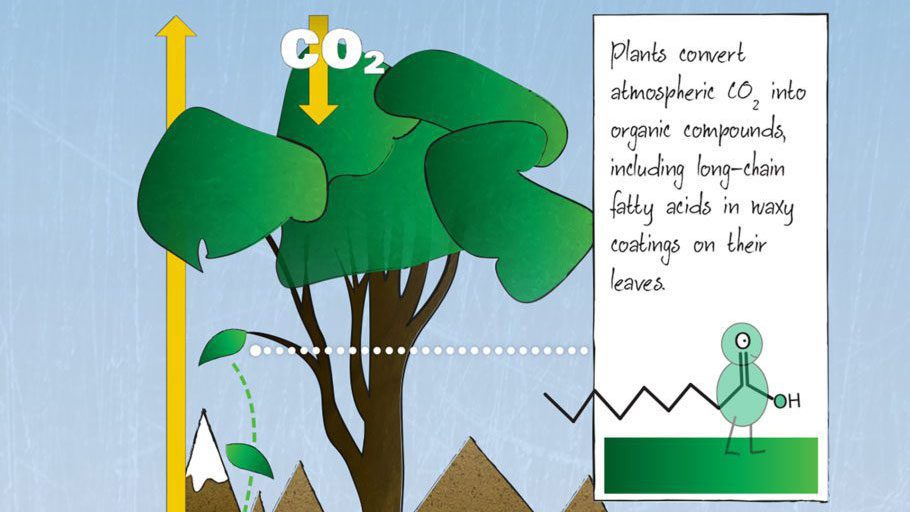
By dating leaf waxes, scientists can examine links between climate changes and carbon storage on land.
Read MoreThe ocean’s Biological Carbon Pump
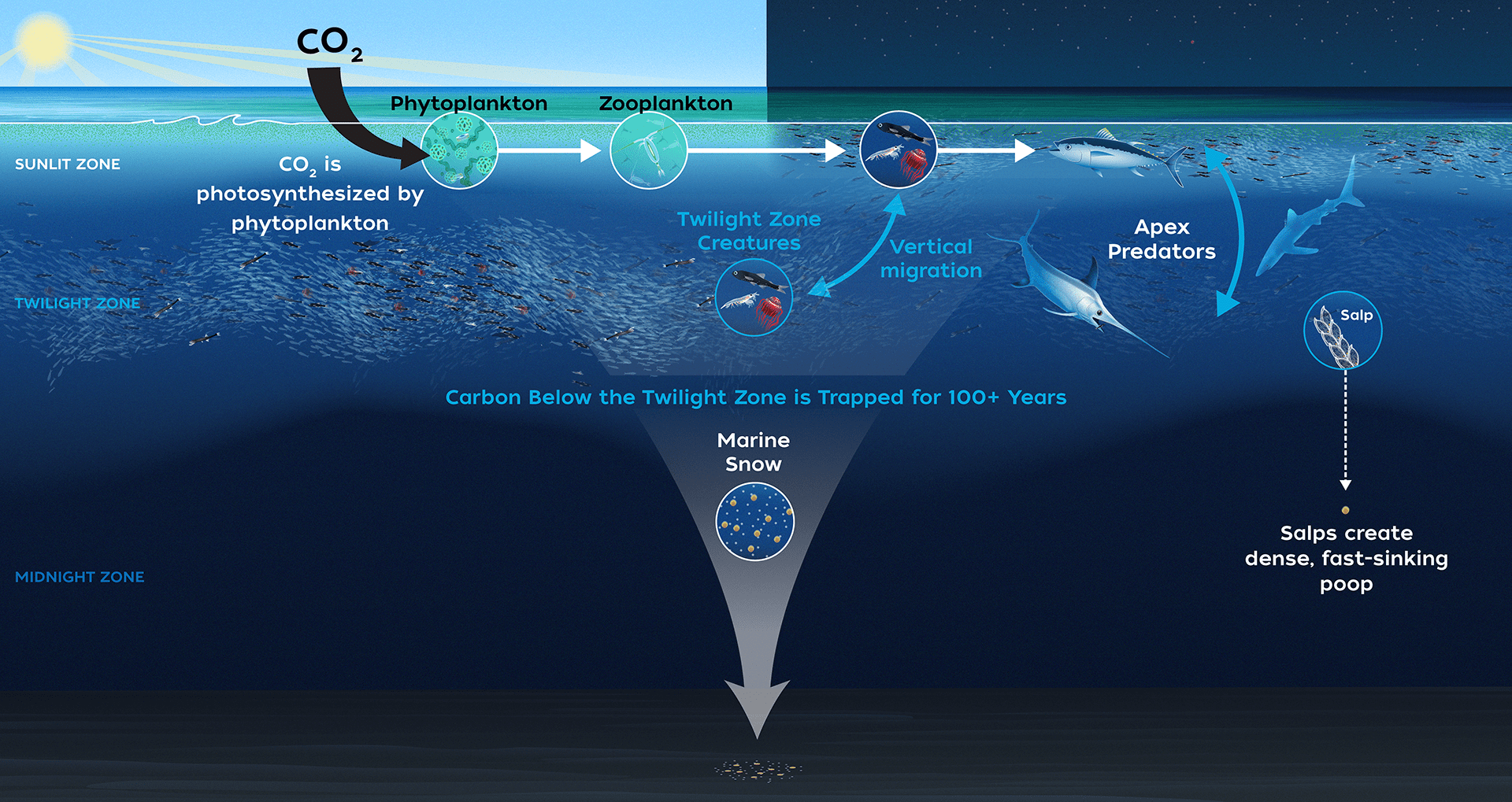
Tiny ocean plants absorb CO? via photosynthesis, then sink or get eaten, moving carbon from surface waters to deep ocean—key to Earth’s carbon cycle.
Read MoreMicrobial life is discovered in vents
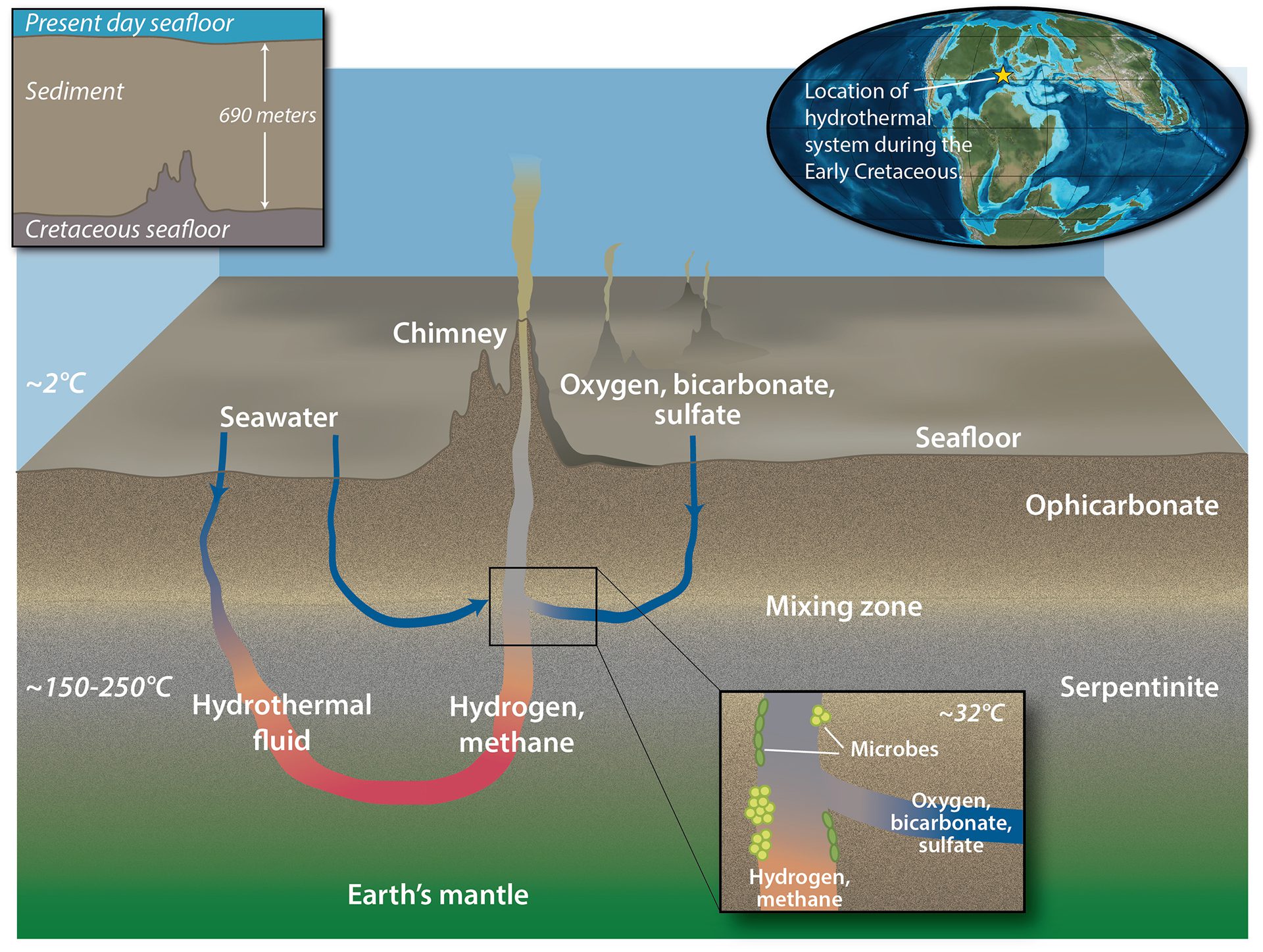
Scientists found 100-million-year-old microbial life in seafloor rocks near Portugal, thriving deep underground where hydrothermal fluids mixed with seawater.
Read MoreDifferent stages of photosynthesis
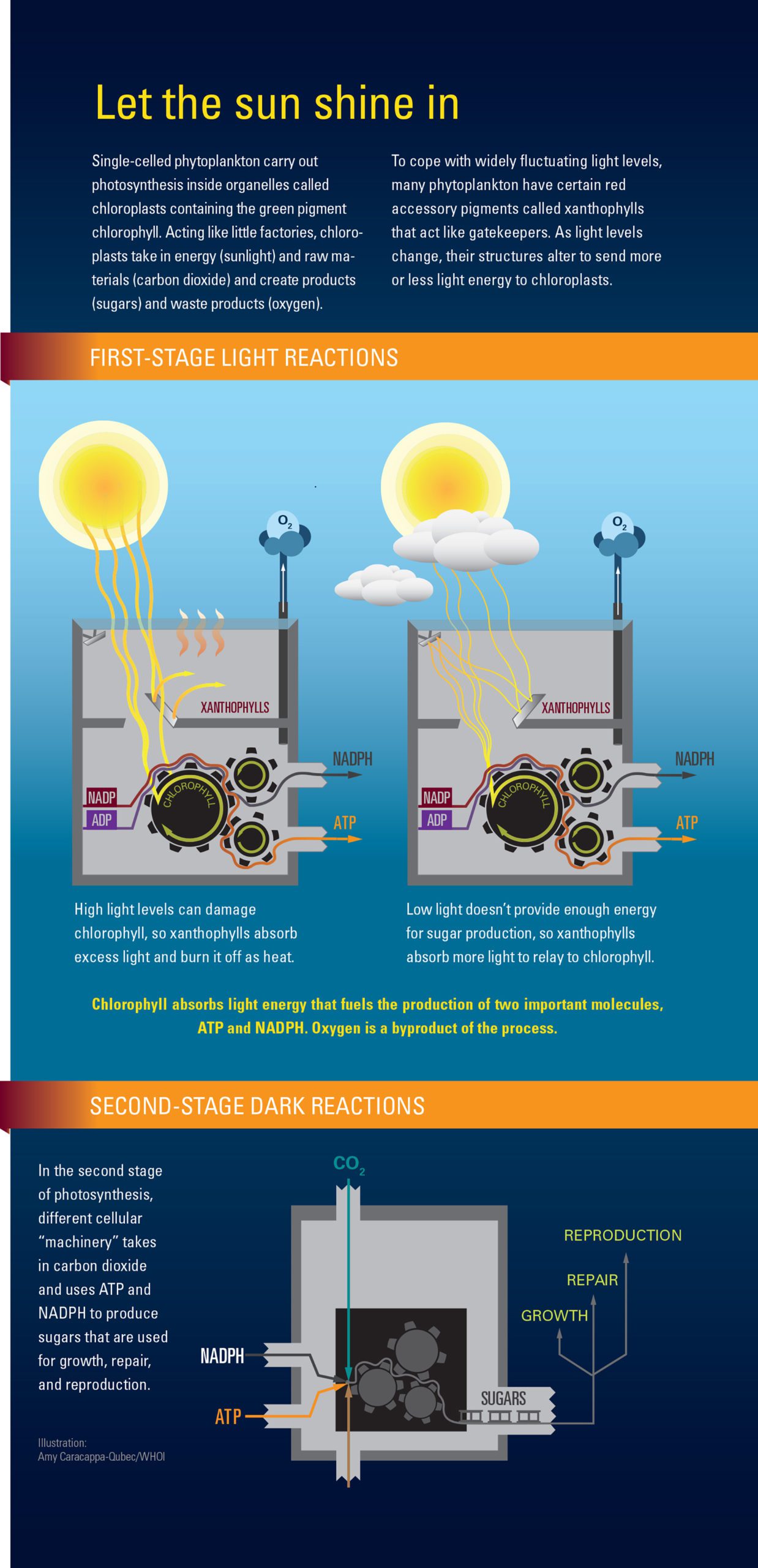
Phytoplankton photosynthesize in chloroplasts, using sunlight and CO? to make sugars and oxygen. Xanthophylls protect chlorophyll by adjusting light energy and burning excess as heat.
Read MoreThe existence of ancient vent microbes
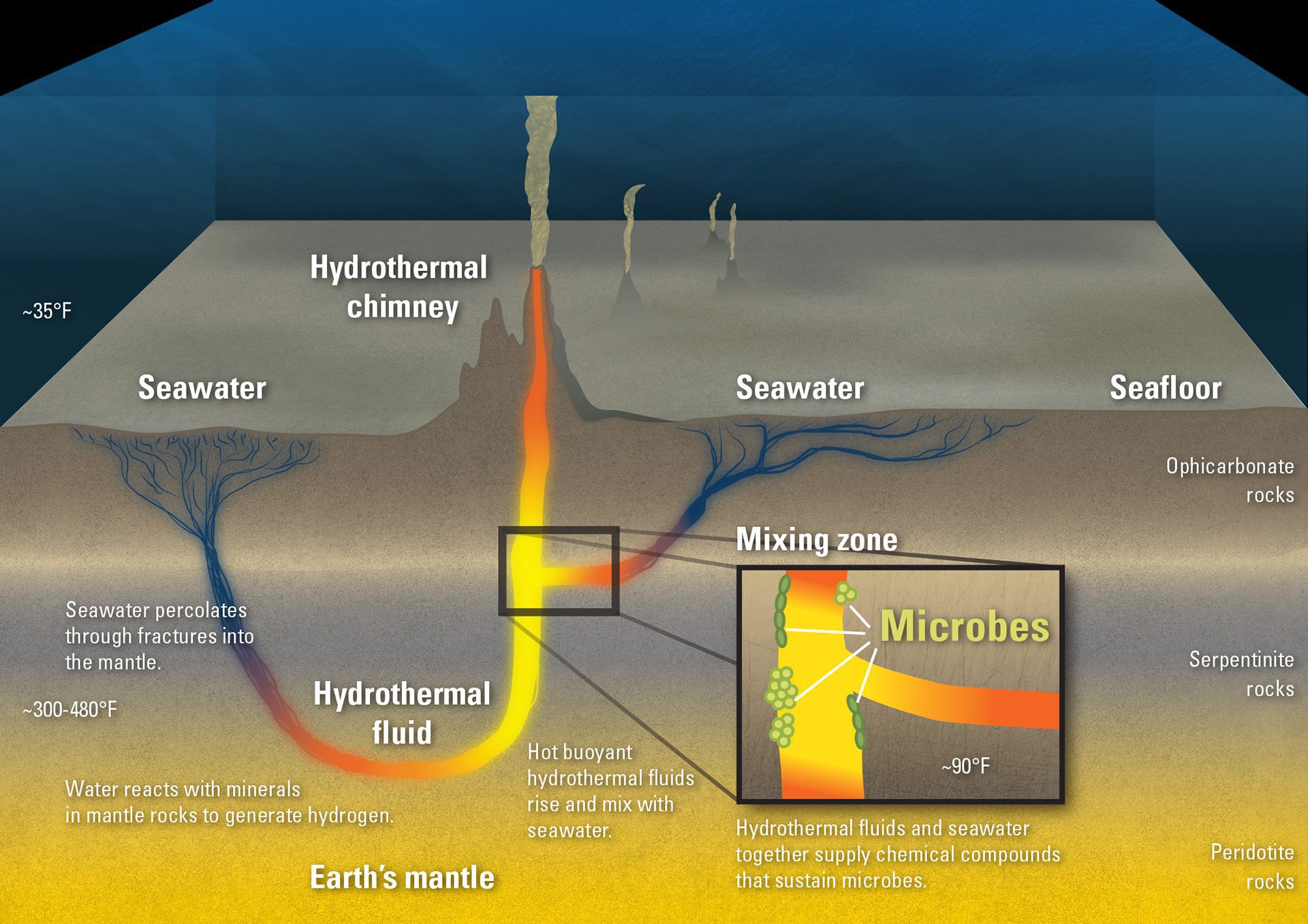
Microbes deep below the seafloor survive on chemicals from seawater-rock reactions. Ancient mantle rocks reveal preserved traces of their life.
Read MoreIllustration explaining the life cycle of eels
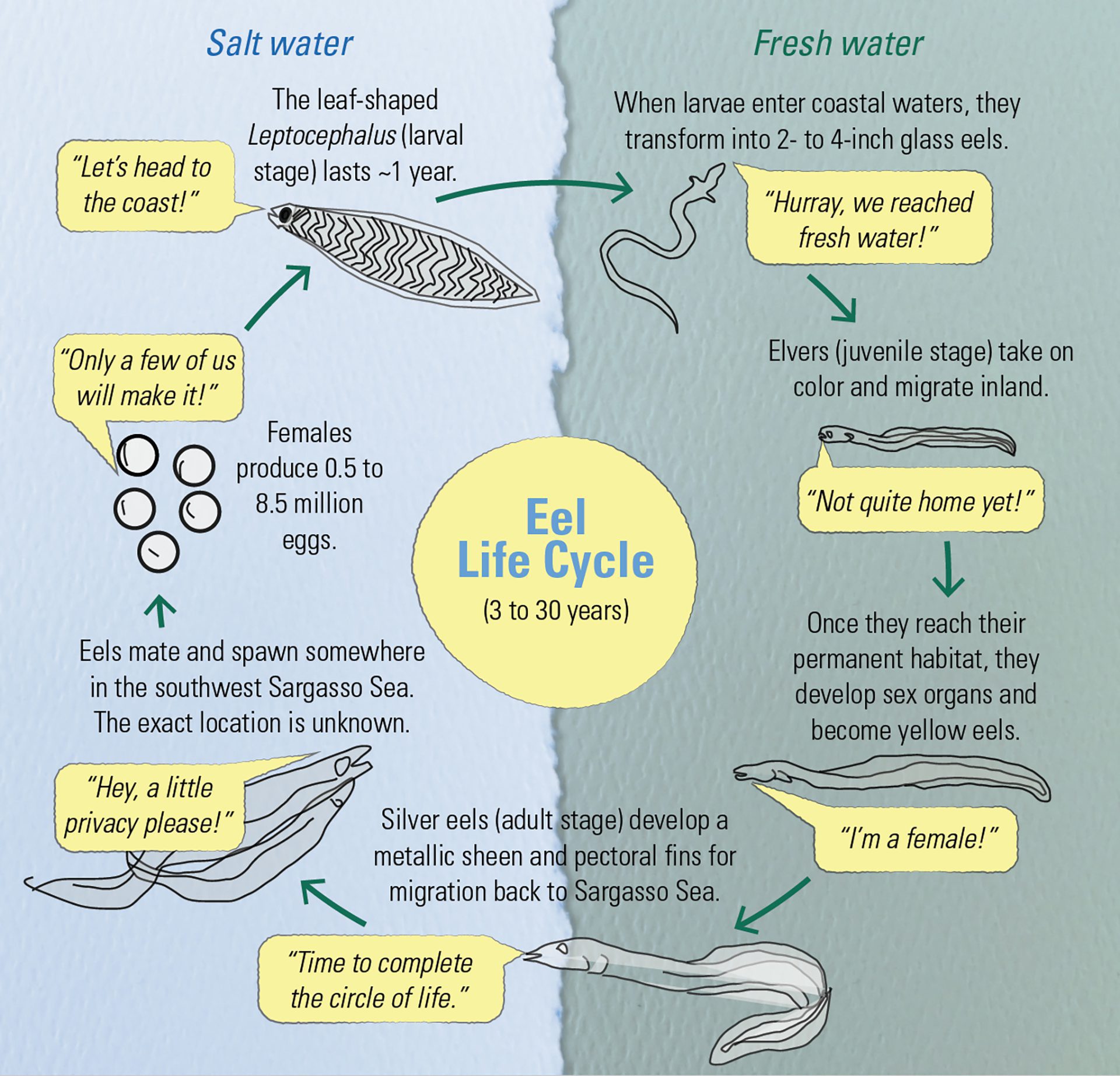
Research led by WHOI scientists suggests that tiny eel larvae can actually swim and navigate, allowing them to contend with ocean currents and reach the coast.
Read MoreHow a DMON buoy operates to detect and transmit right whale location info
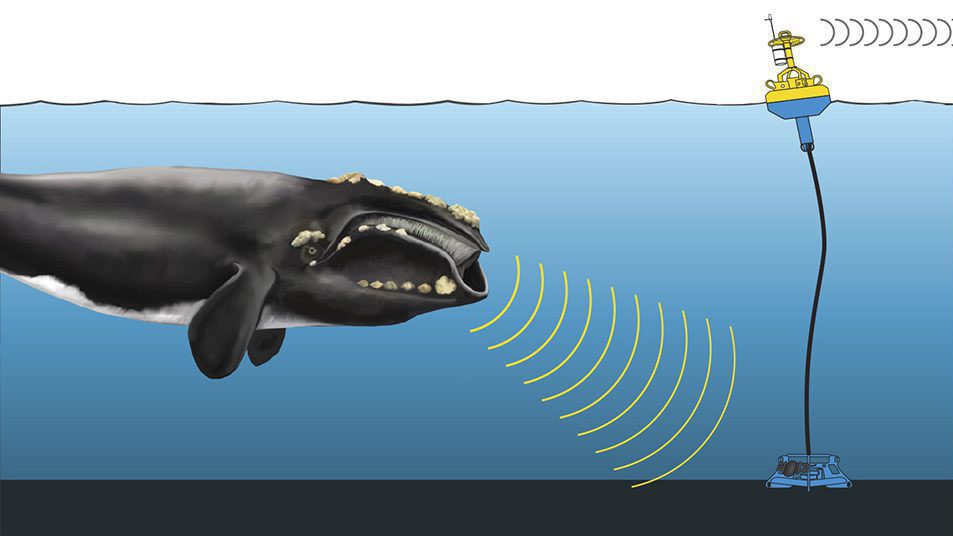
DMON buoys detect whale calls and transmit information about them from the cable to the buoy, which relays the information to a satellite and ultimately to scientists in near-real time.
Read MoreHow a hydrothermal vent system works
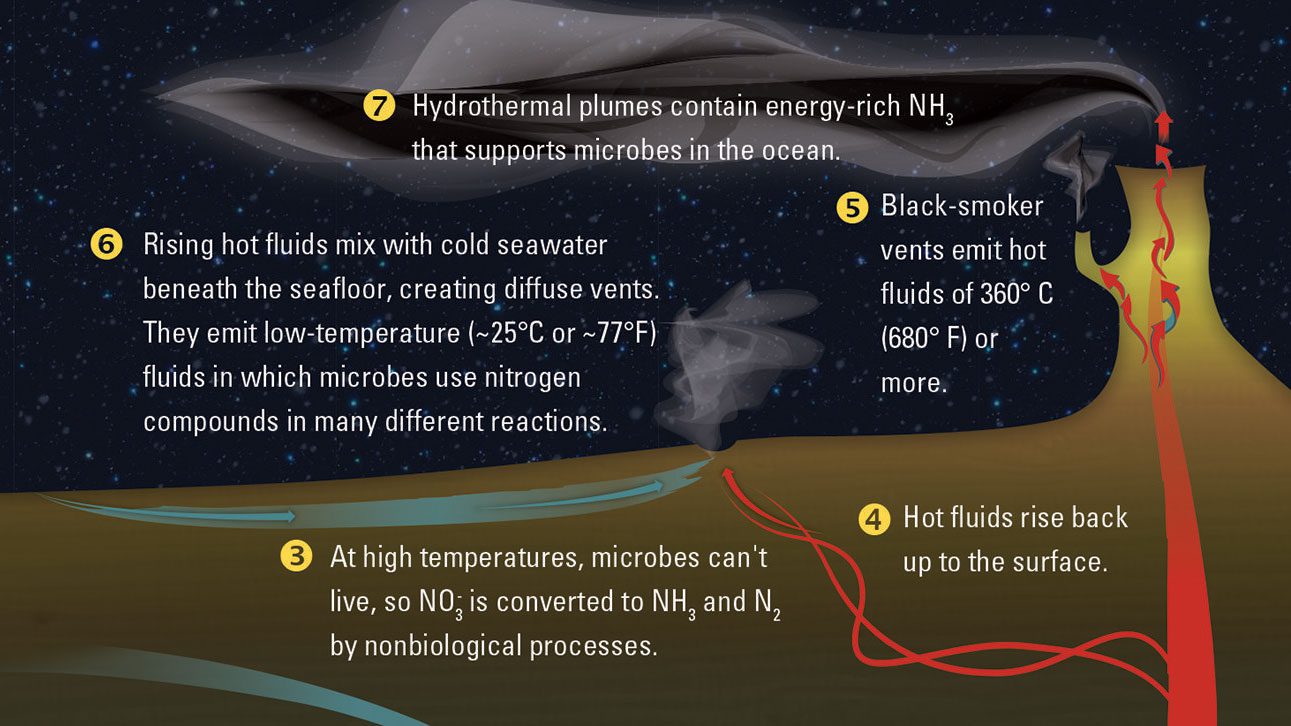
Hydrothermal vents form in places where there is volcanic activity, such as along the Mid-Ocean Ridge.
Read MoreHow antibacterial resistant bacteria spreads resistance
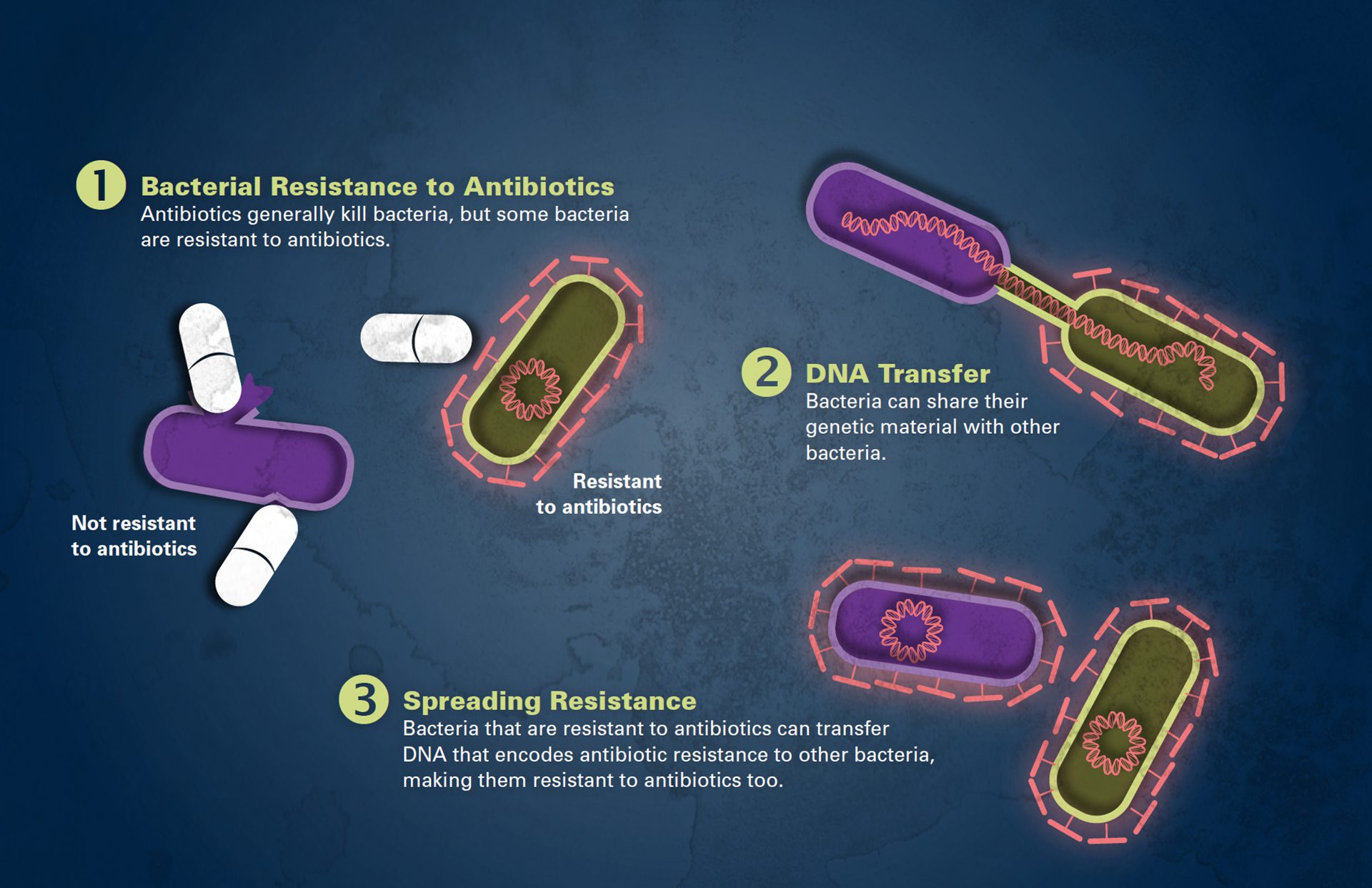
Antibiotics in human waste can end up in the ocean, where they increase the risk that marine bacteria will develop resistance to antibiotics.
Read MoreHow biological compounds from phytoplankton blooms enter the atmosphere
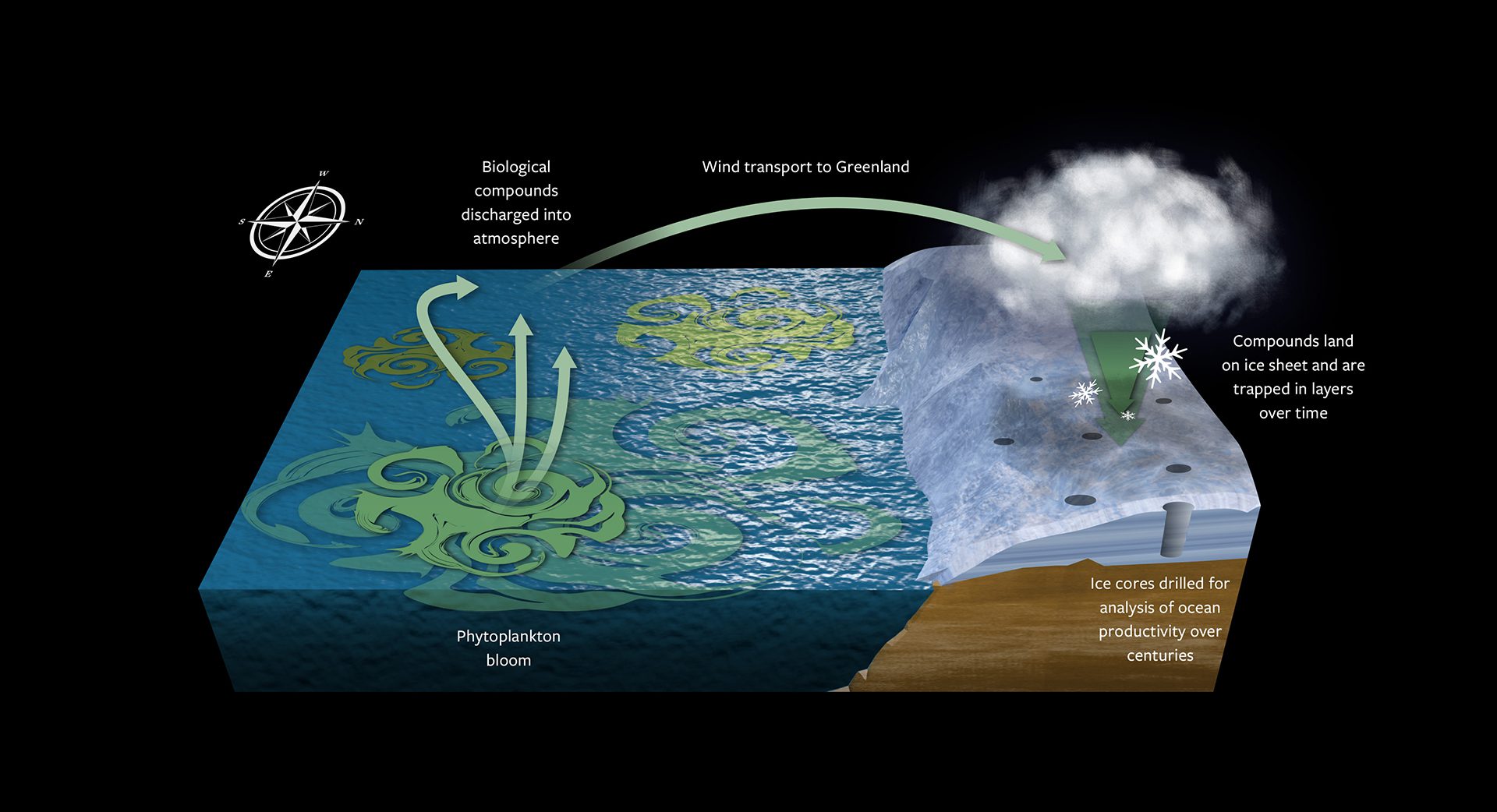
Biological compounds from phytoplankton blooms could end up trapped in centuries-old ice cores that scientists can use to measure ocean productivity over time.
Read MoreHow Cyanobacteria Crocosphaera watsonii recycles iron
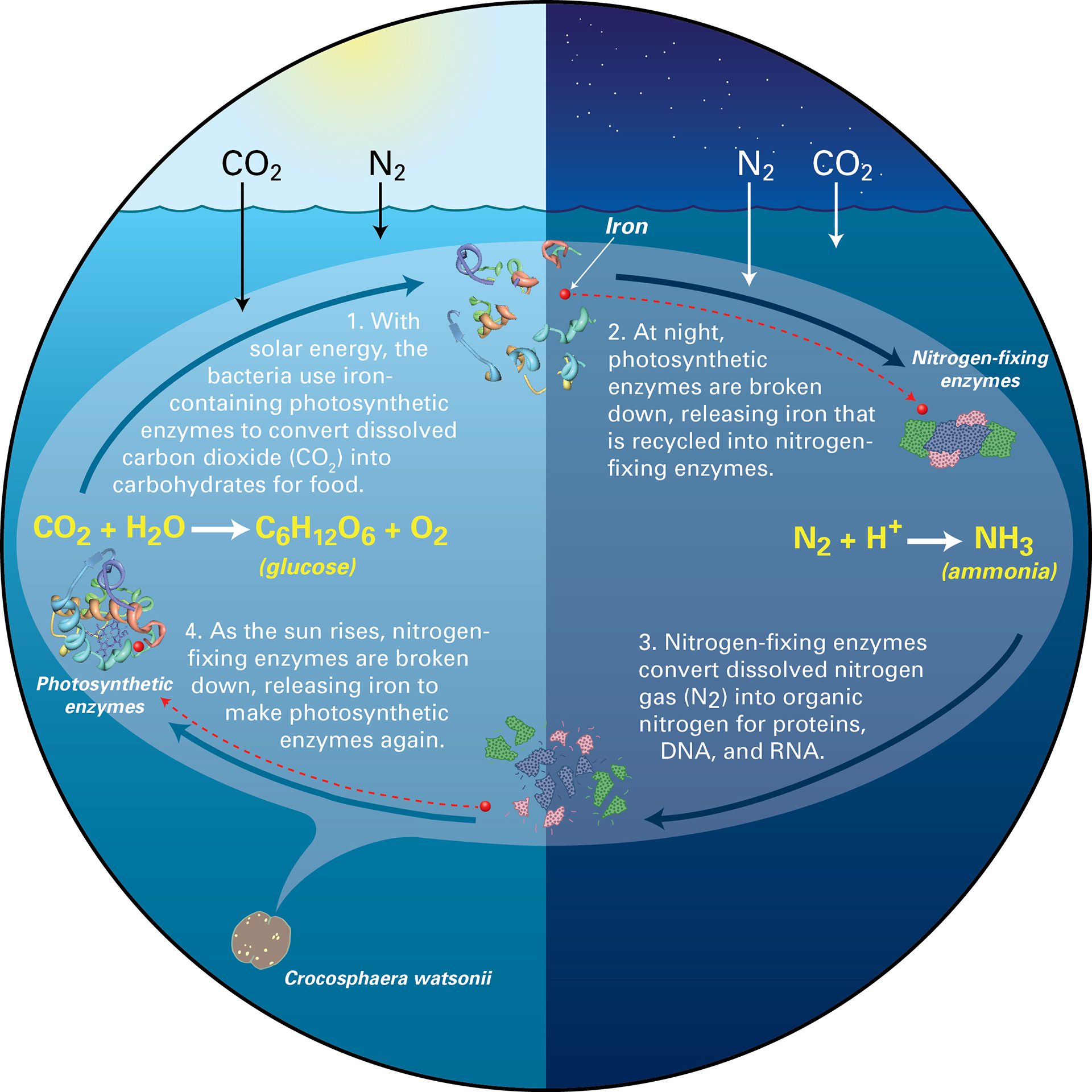
Iron is scarce in the ocean, but a key marine bacterium may have evolved a remarkable biochemical way to recycle it and reduce its iron requirements by half.
Read MoreHow the Fraser River picks up chemical signatures along its journey
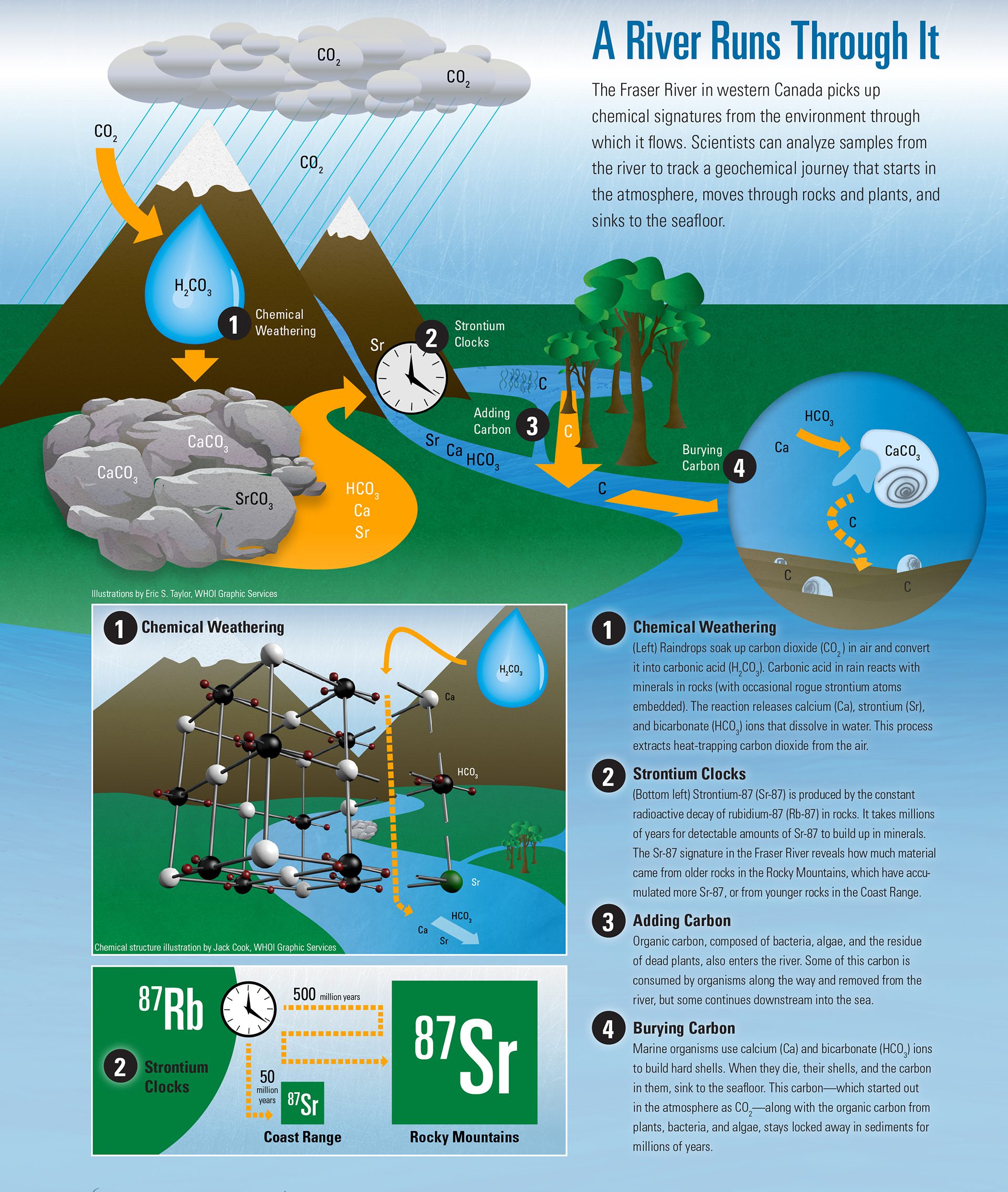
Samples from the Fraser River help scientists track a geochemical journey that starts in the atmosphere, moves through rocks and plants, and sinks to the seafloor.
Read MoreAir-sea exchange mechanisms
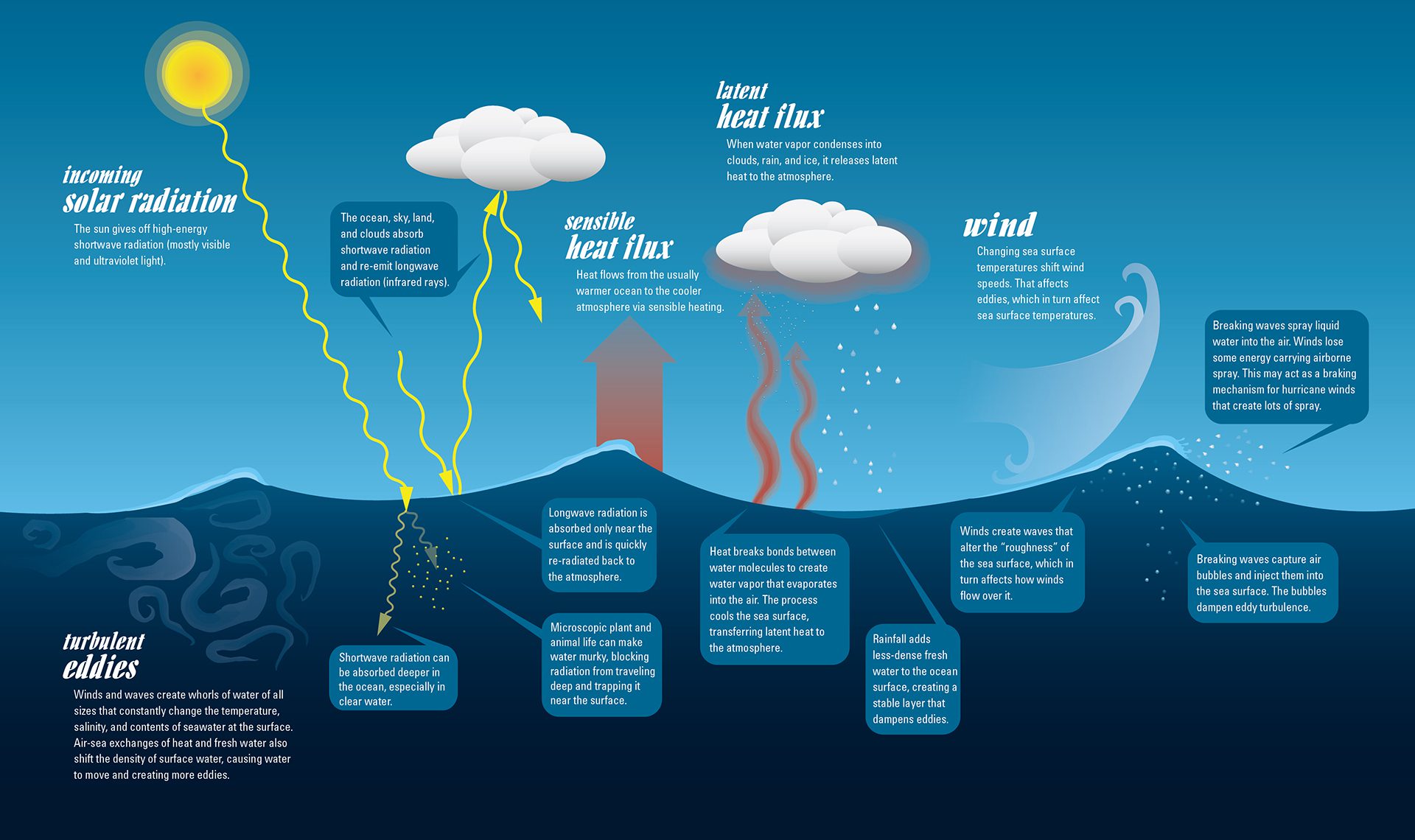
Climate change shifts Earth’s water cycle, increasing rain in wet areas and drought in dry ones. Scientists study how water moves between ocean and air.
Read MoreEstrogens comes in several "flavors"
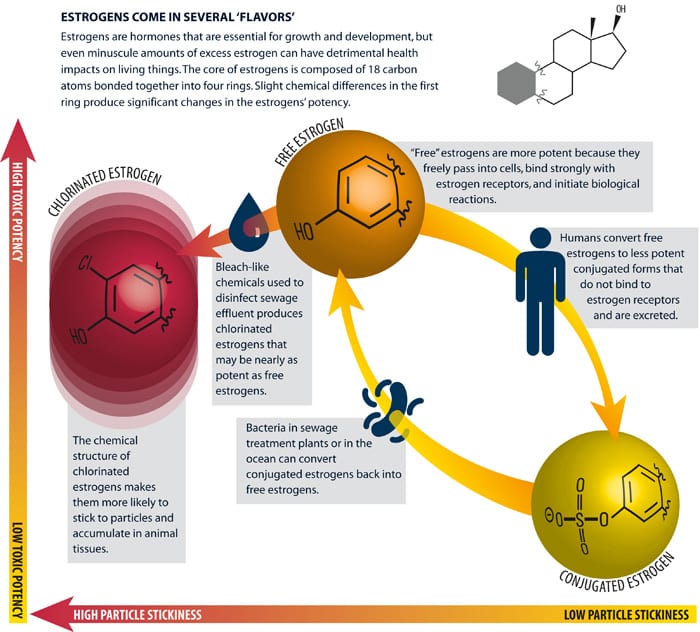
Estrogens are hormones that are essential for growth and development, but even minuscule amounts of excess estrogen can have detrimental health impacts on living things.
Read More