
Biology
A Krill’s Life Cycle
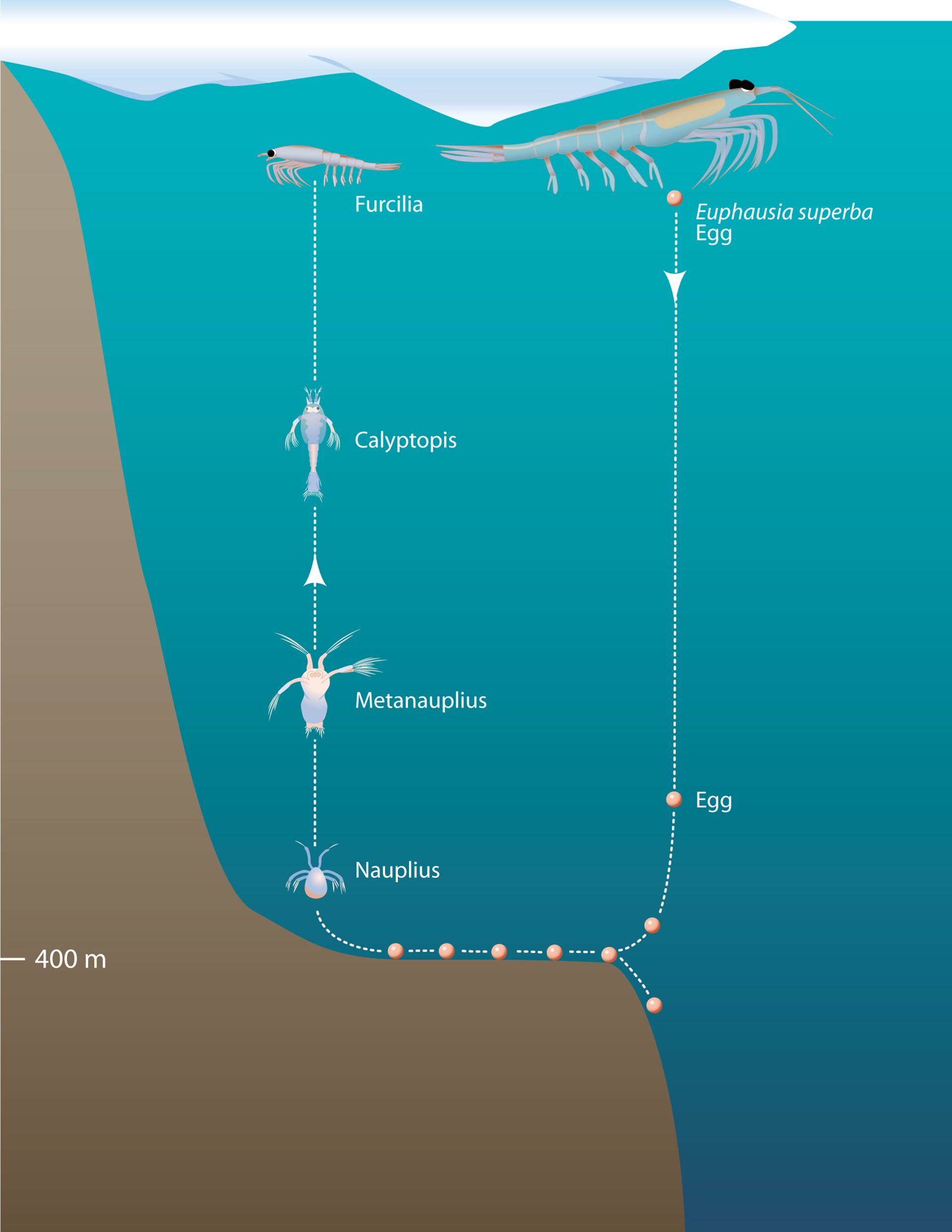
Krill hatch deep and race upward to survive—only those reaching the surface before winter can feed, grow, and live through their first icy Antarctic season.
Read MoreA microbial garden beneath the seafloor
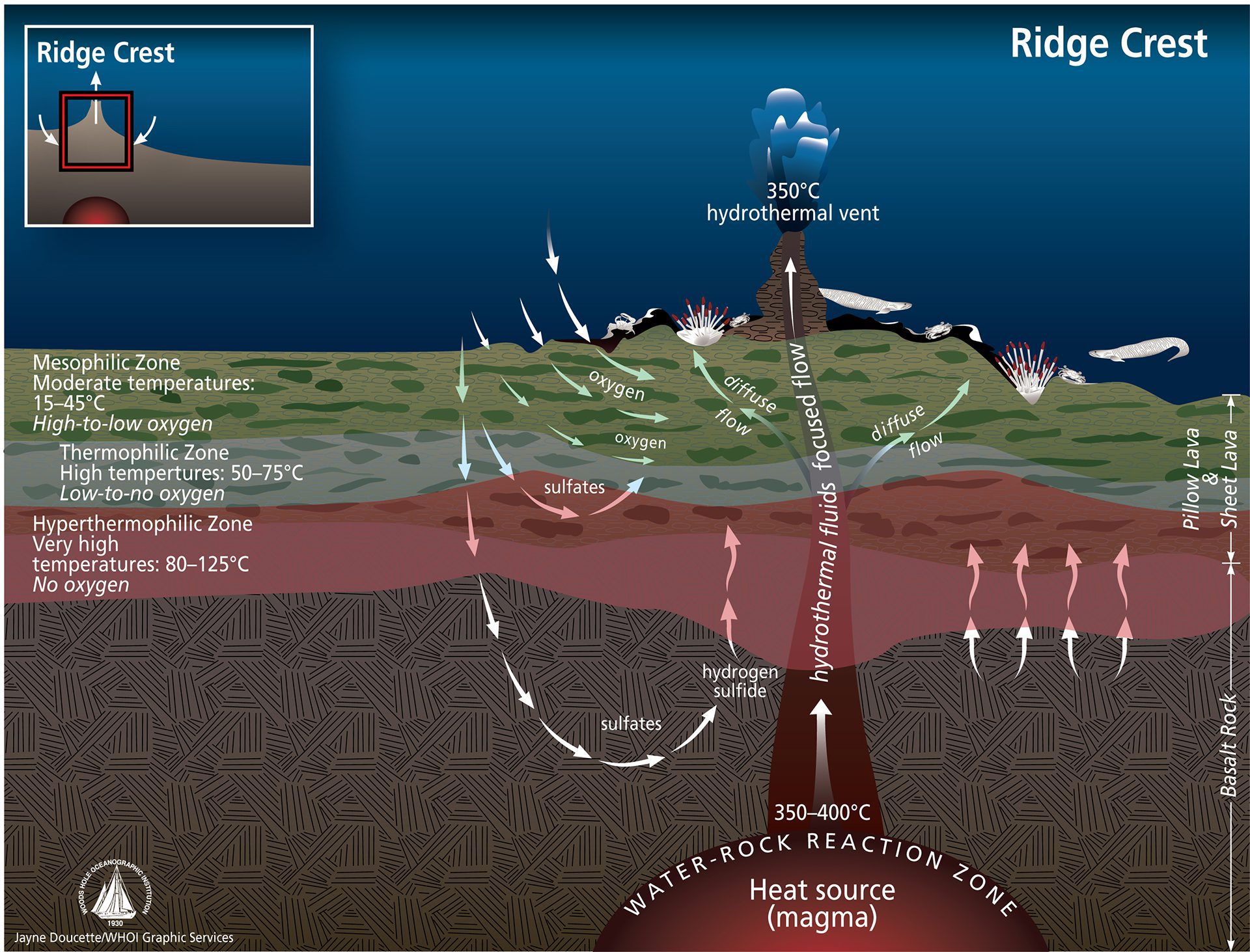
Chemical reactions below the seafloor create energy-rich fluids that sustain a vast, diverse microbial biosphere adapted to specific underground niches.
Read MoreA smorgasbord of chemical reactions
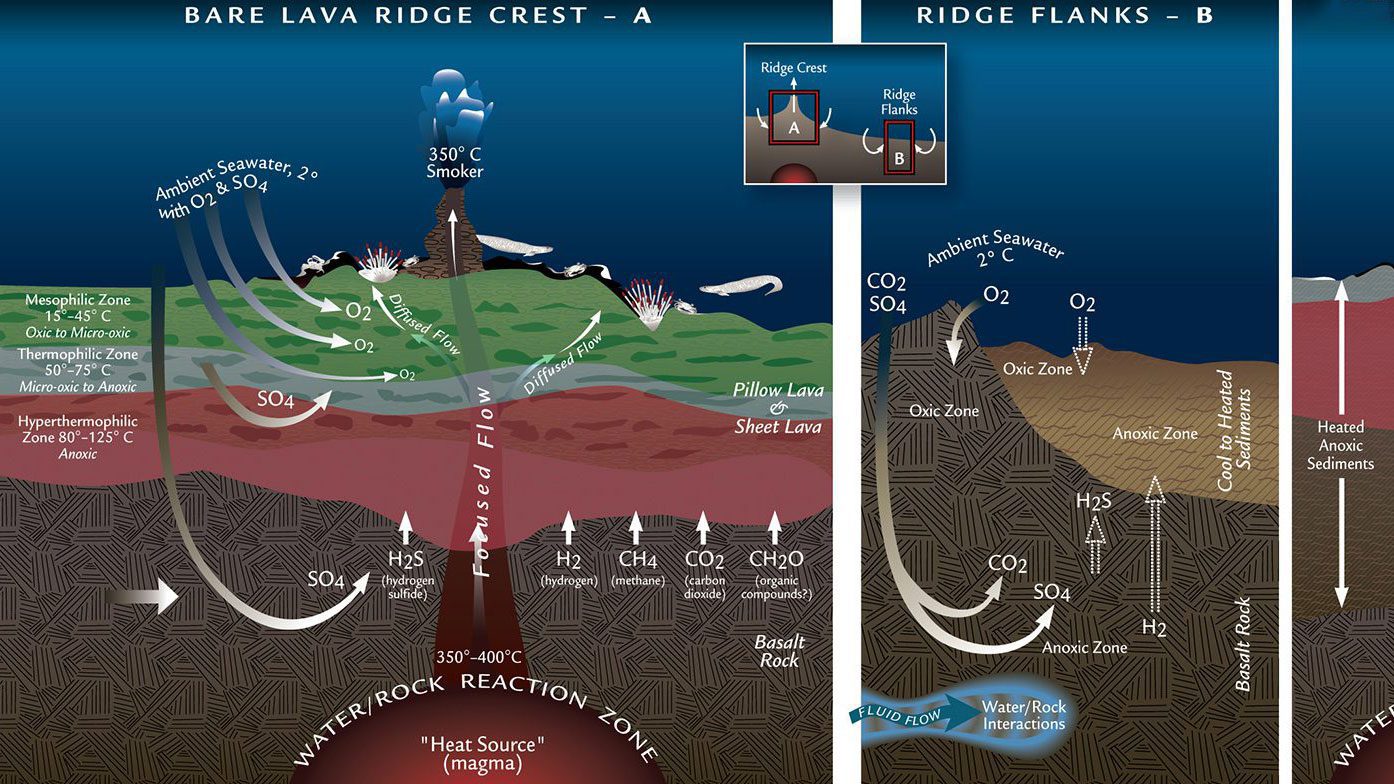
Deep-sea microbes thrive near hydrothermal vents by using diverse chemical reactions—both with and without oxygen—to extract energy and grow underground.
Read MoreRight whale detection mooring operation
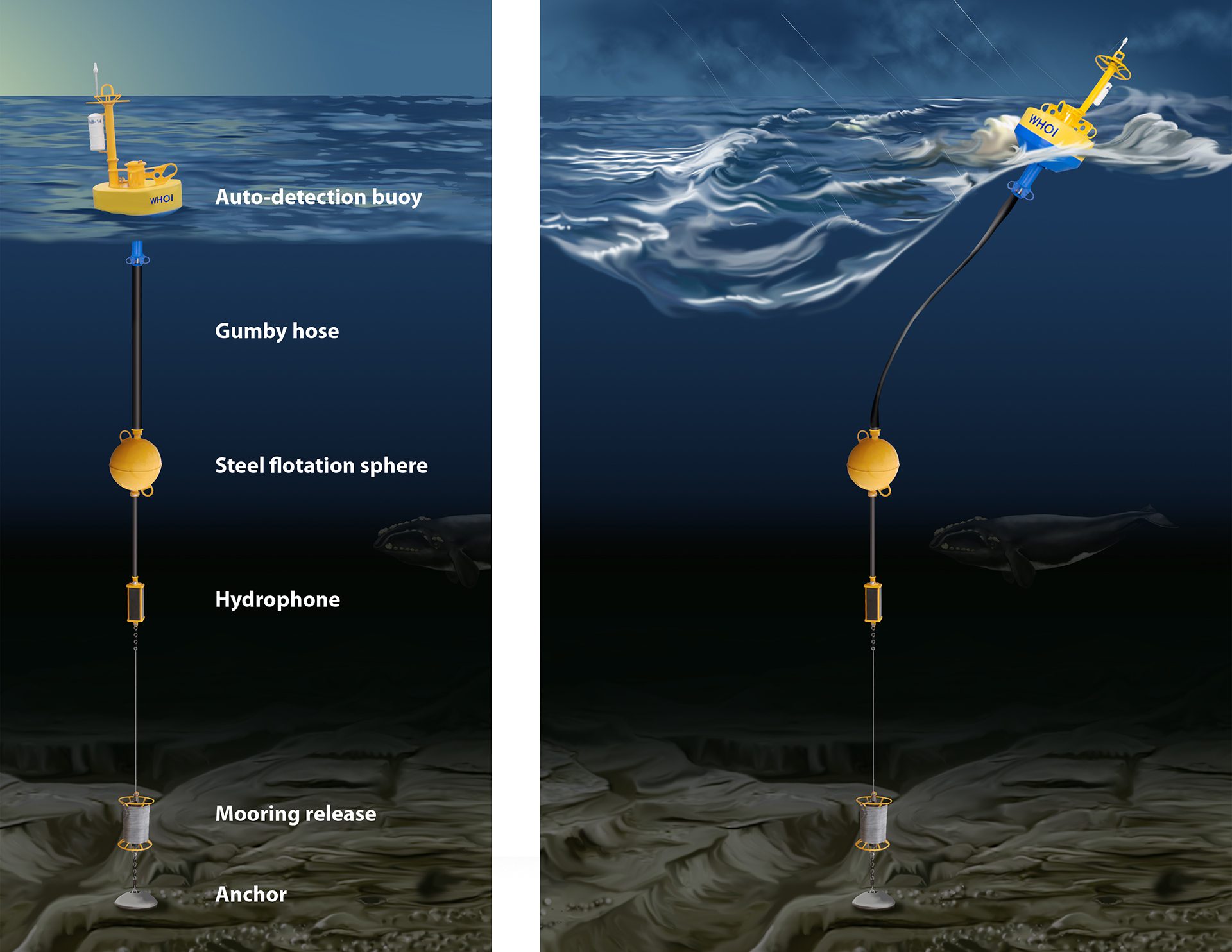
To quiet noisy recordings in rough seas, WHOI engineers created a two-tiered mooring. A bungee-like top line absorbs motion, keeping the hydrophone stable below.
Read MoreRopeless fishing technology to release a trap line entangling a right whale
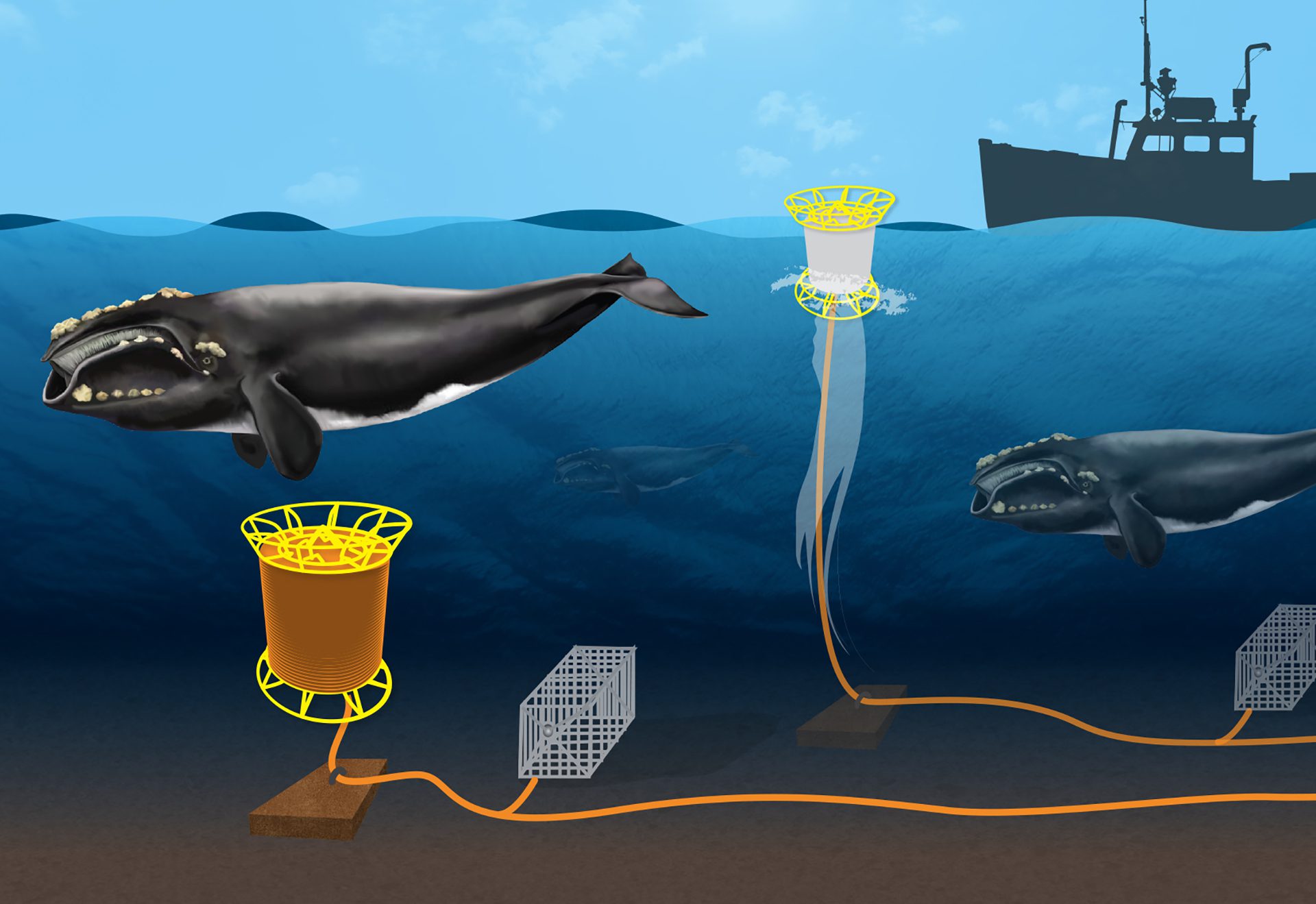
WHOI engineers created a ropeless fishing system that releases lines using acoustic signals—now moving from successful land tests to at-sea trials and refinements.
Read MoreScale depicting the concentration of pH and examples of solutions
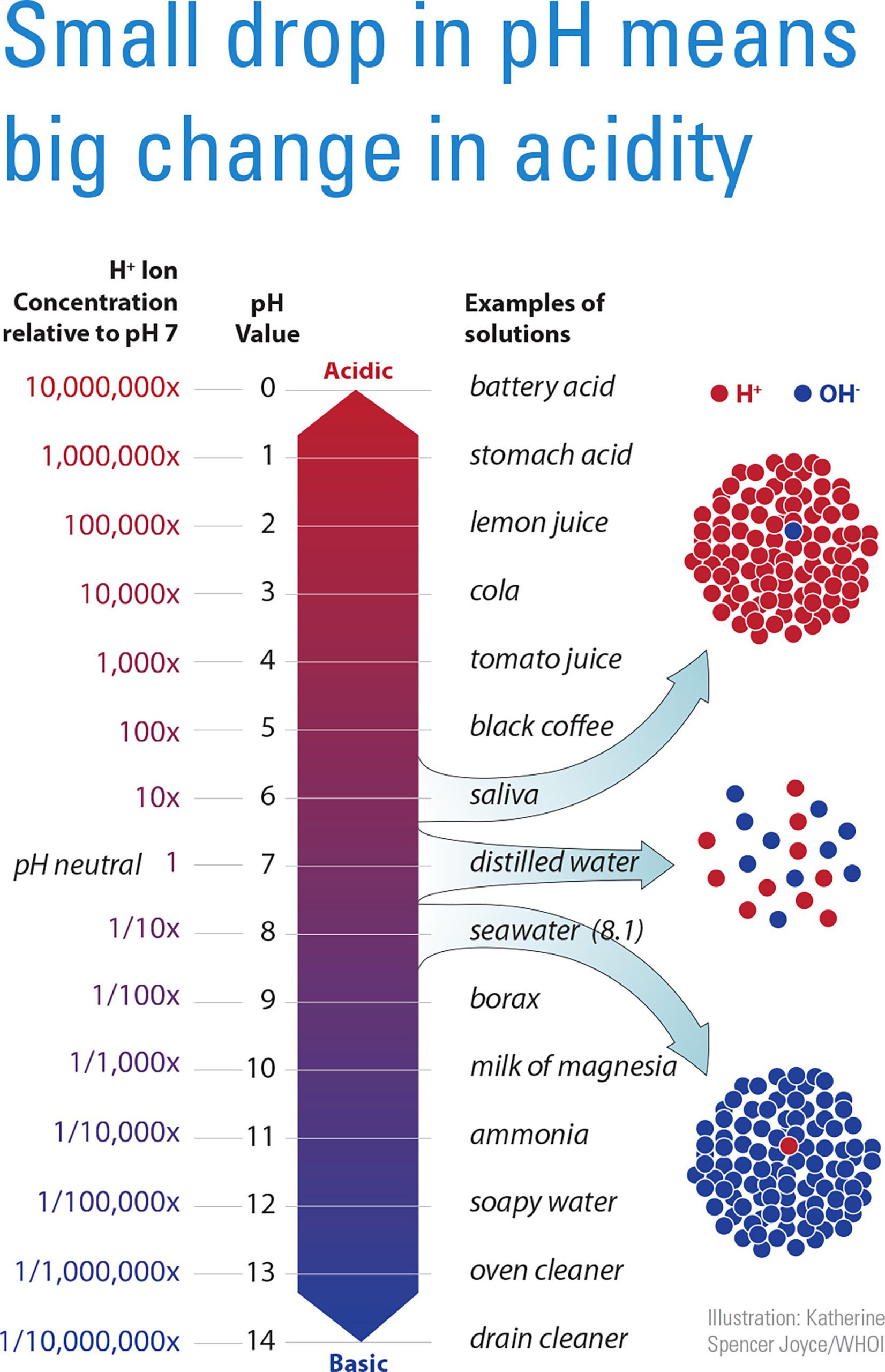
Seawater is becoming more acidic as CO? levels rise. Even small drops in pH can harm marine life that builds shells or skeletons from calcium carbonate.
Read MoreScallop Life Cycle being affected by ocean acidification
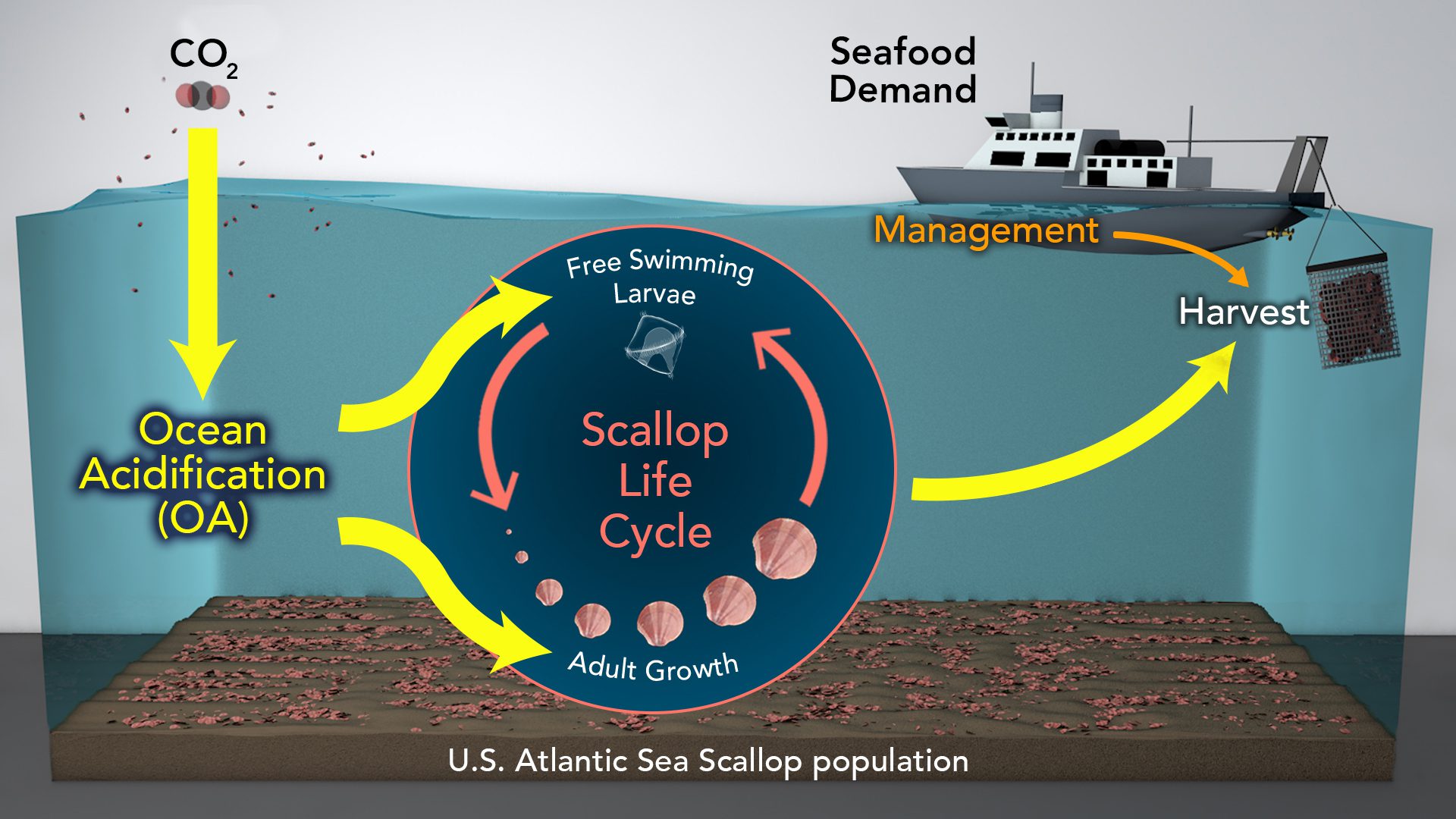
Climate change and ocean acidification could wipe out over half of Atlantic sea scallops in 3080 years—unless strong management and CO? cuts slow the trend.
Read MoreGroundwater cycle
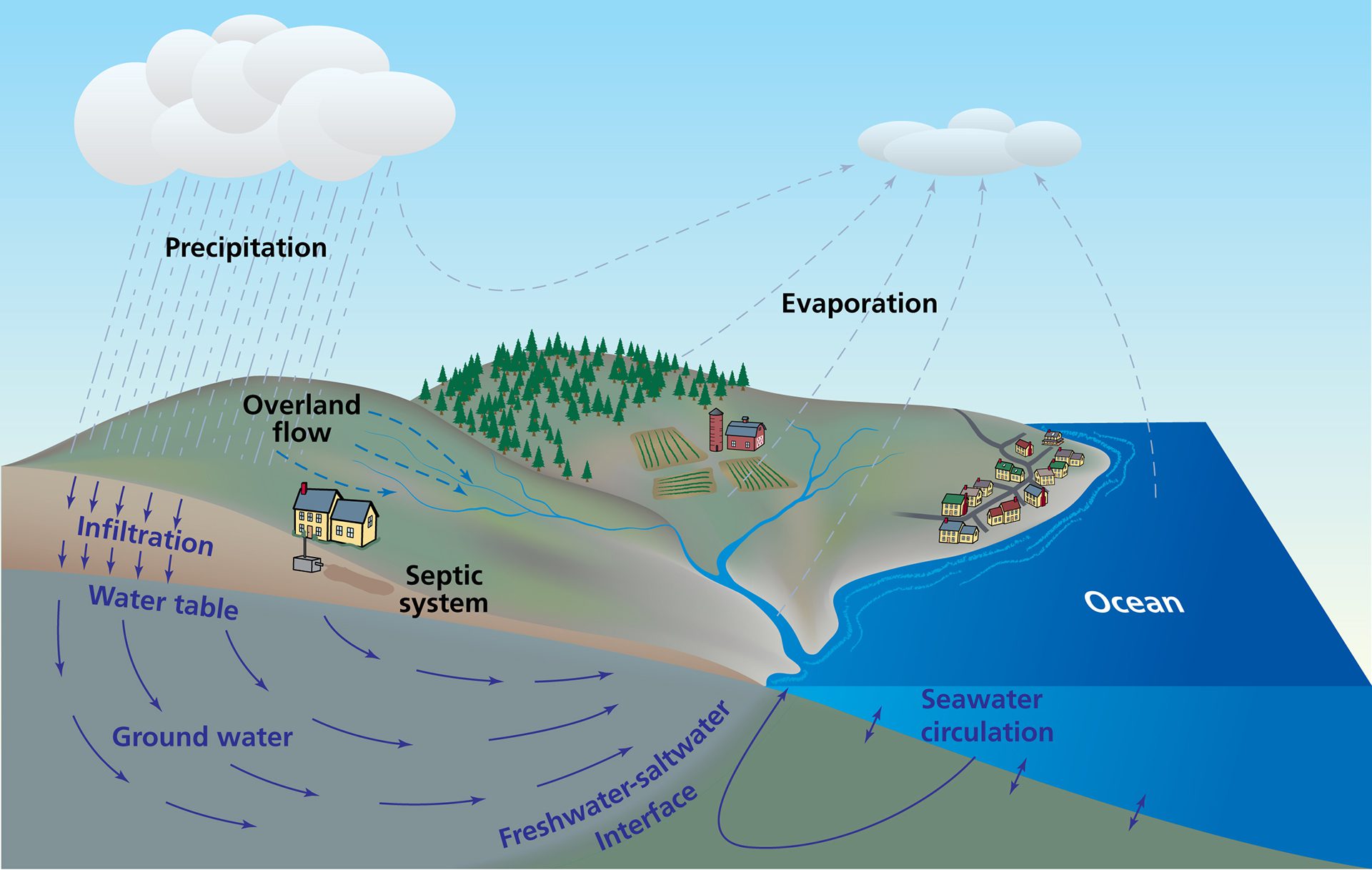
Groundwater flows into the ocean through coastal sediments, carrying chemicals that can impact ocean chemistry—an overlooked part of Earth’s water cycle.
Read MoreMicrobial "Trojan horses" stages
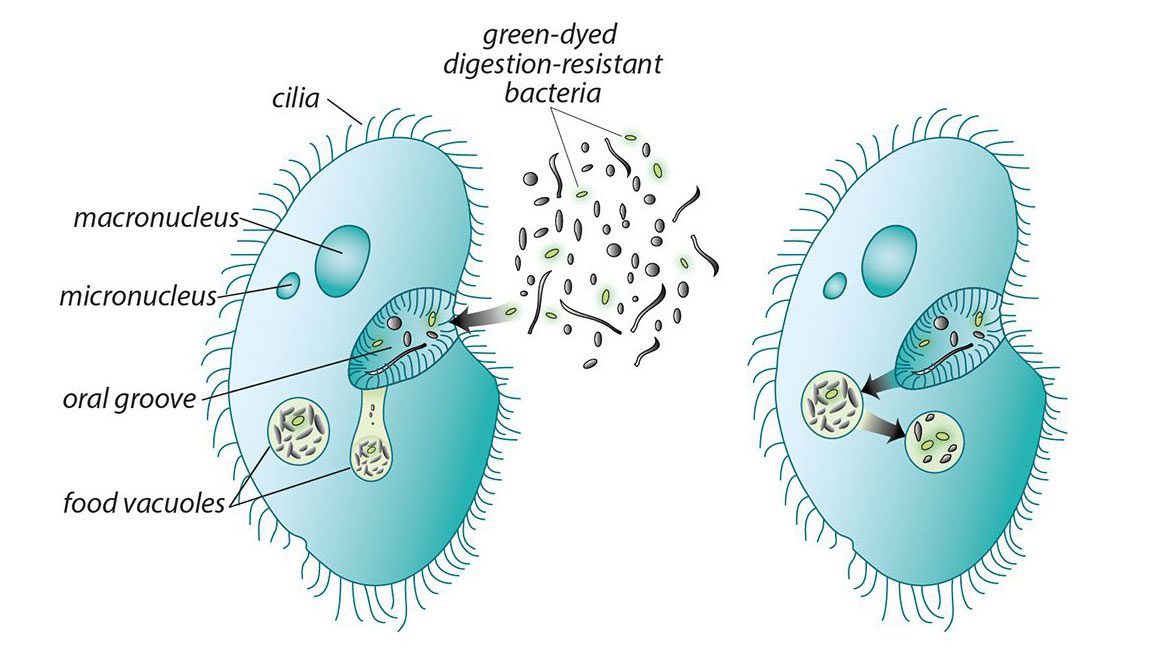
Some bacteria ingested by protists escape digestion, survive, and even reproduce—eventually returning to the environment, potentially still infectious.
Read MoreMicrobial Life Tree
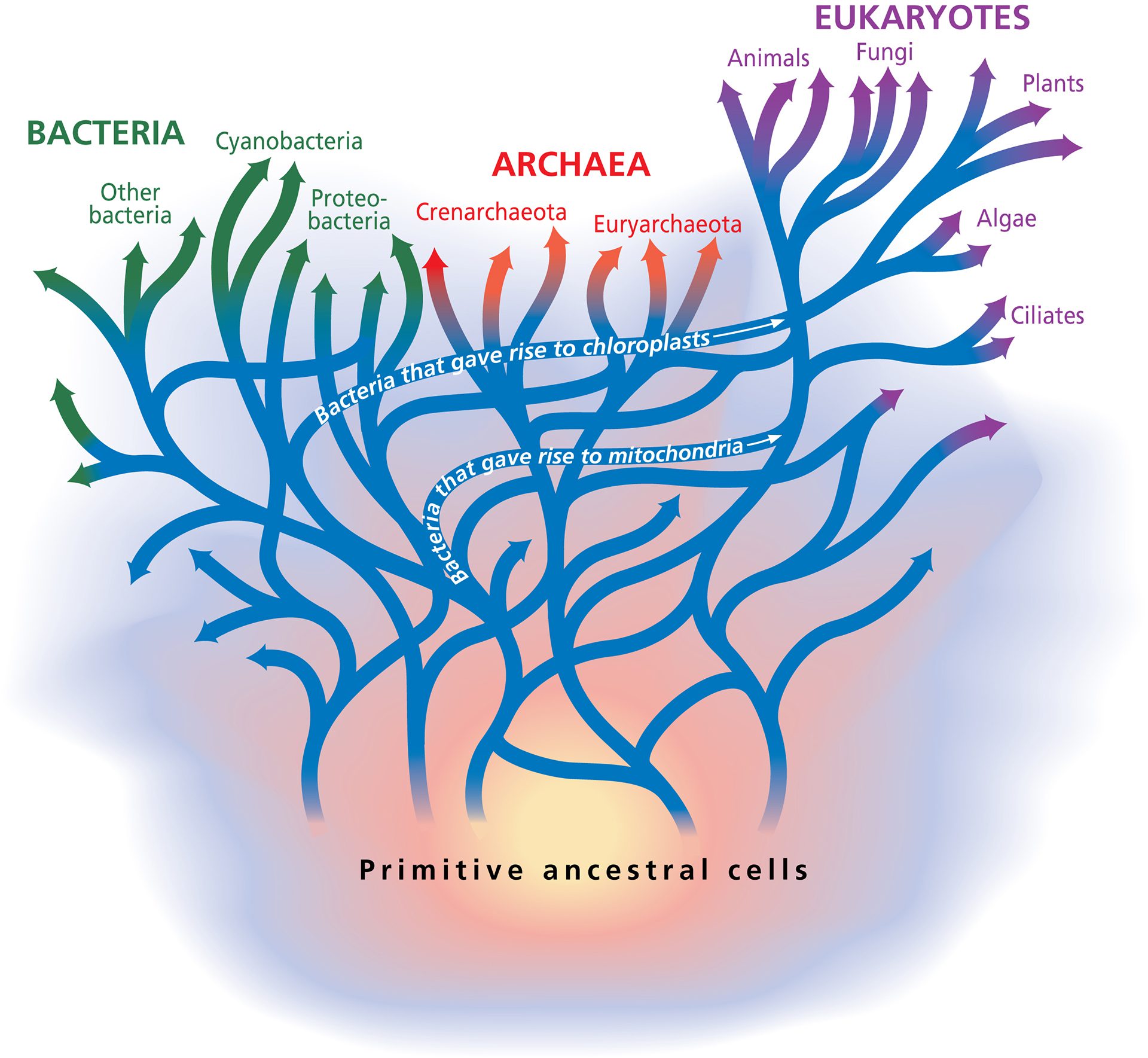
Genetic analyses trace deep-sea microbes’ diverse metabolic paths across bacteria, archaea, and eukaryotes, unveiling life’s complex tree.
Read MoreMicroplastics in the Food Chain illustration
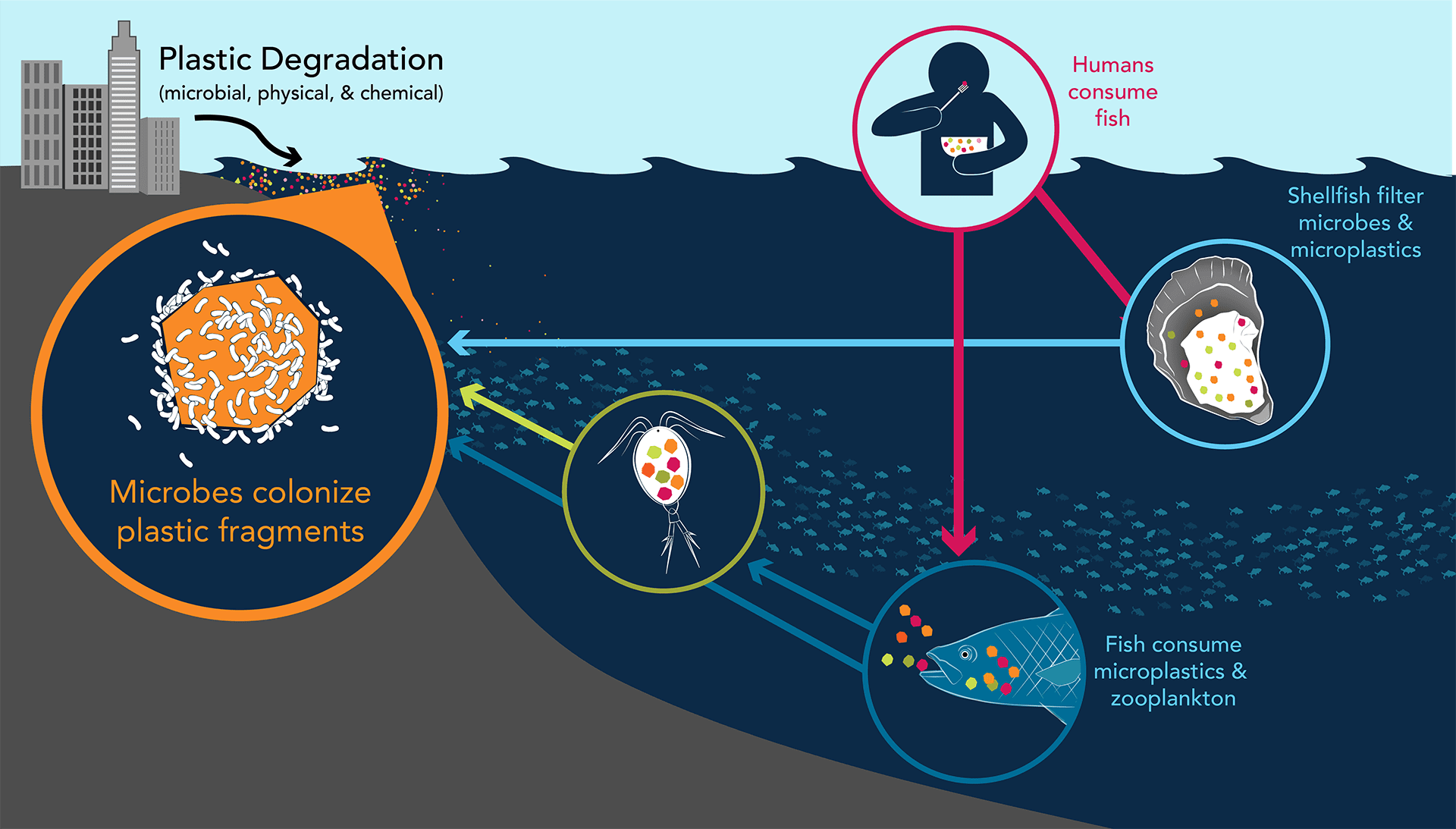
Plastics that get into the ocean often degrade into microplastics that are ingested by fish and shellfish and can go up the food chain to be ingested by humans.
Read MoreMonsoon season rain cycle
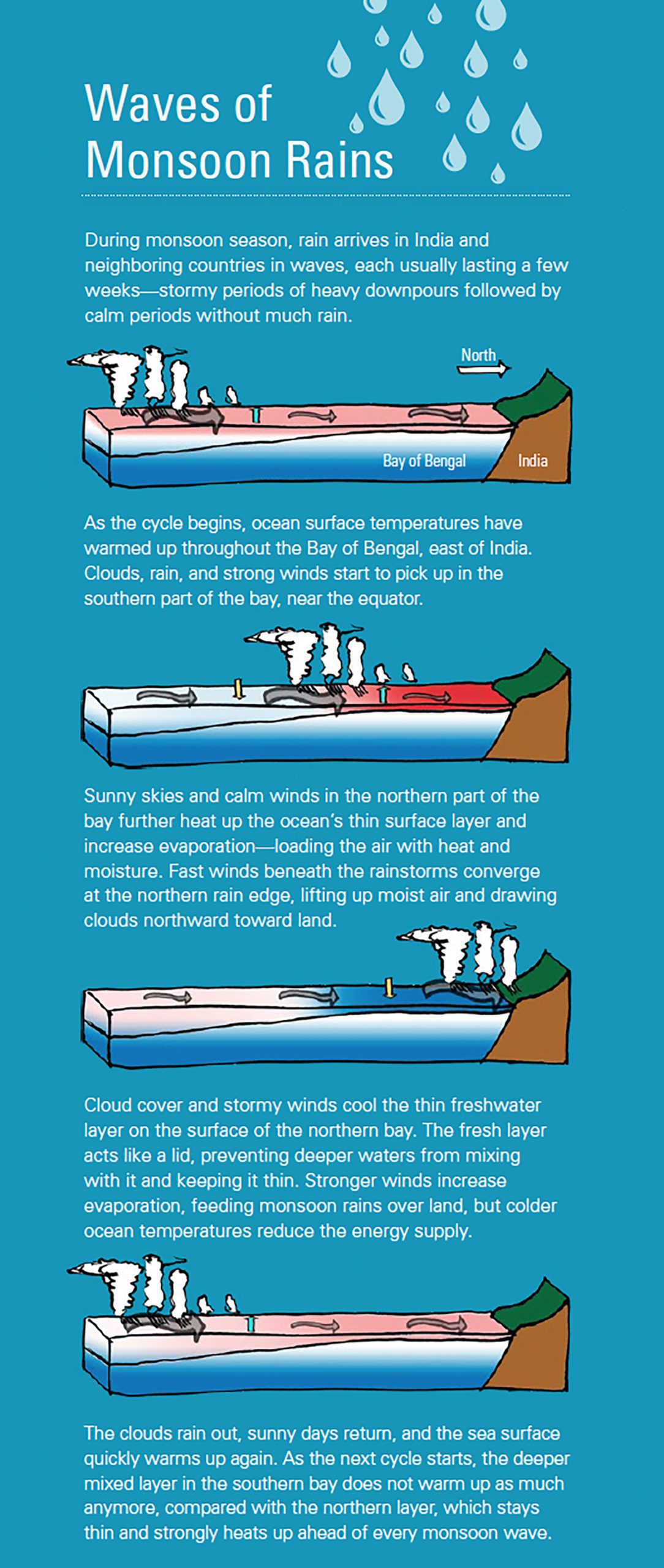
WHOI scientists are studying the link between water at the surface of the Indian Ocean and predicting monsoon rains.
Read MoreNitrogen cycle, with imbedded callouts, captions
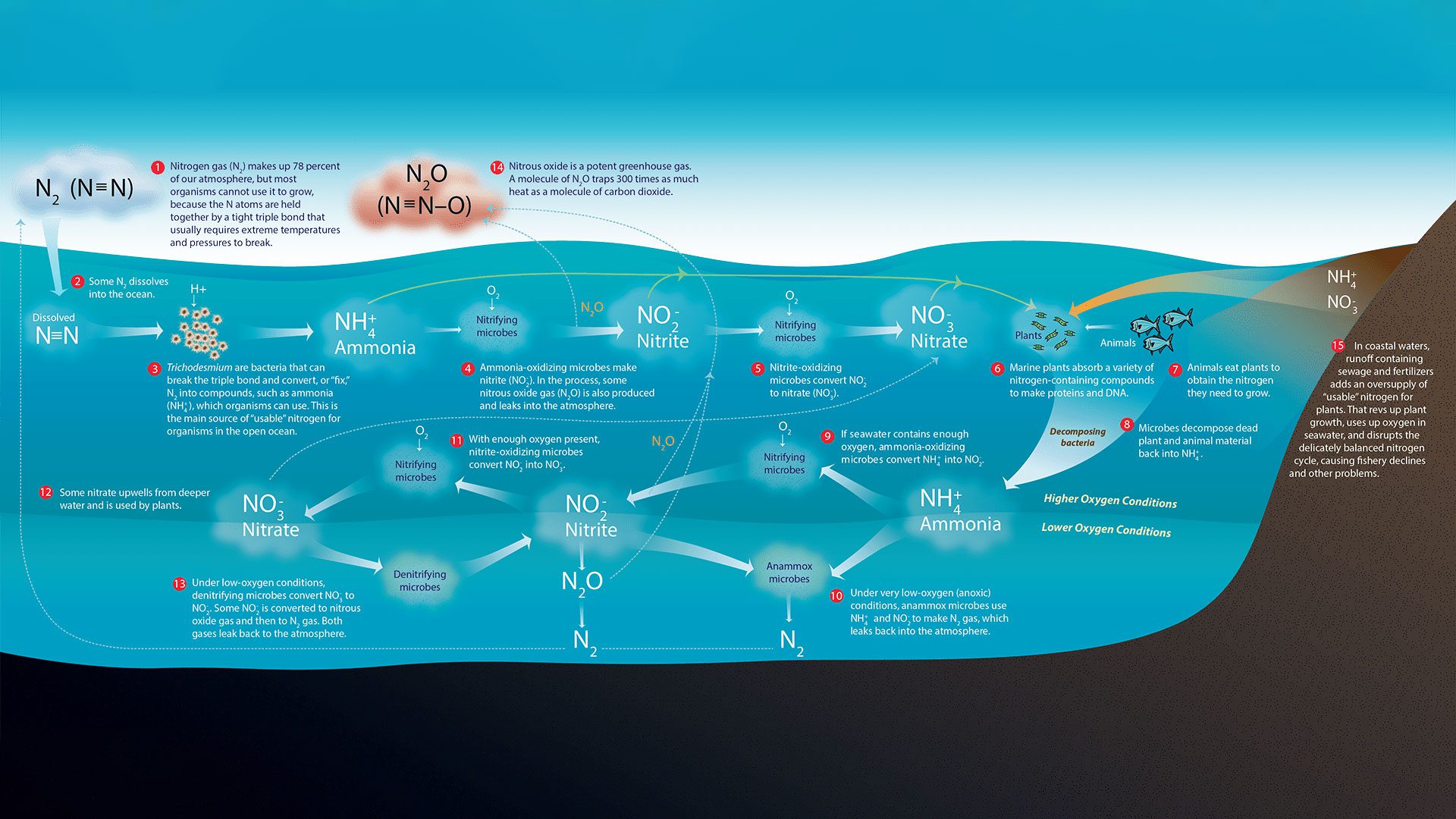
Chemical detectives follow nitrogen’s elusive and essential trail in the ocean.
Read MoreOcean eddies transporting plankton throughout the water column
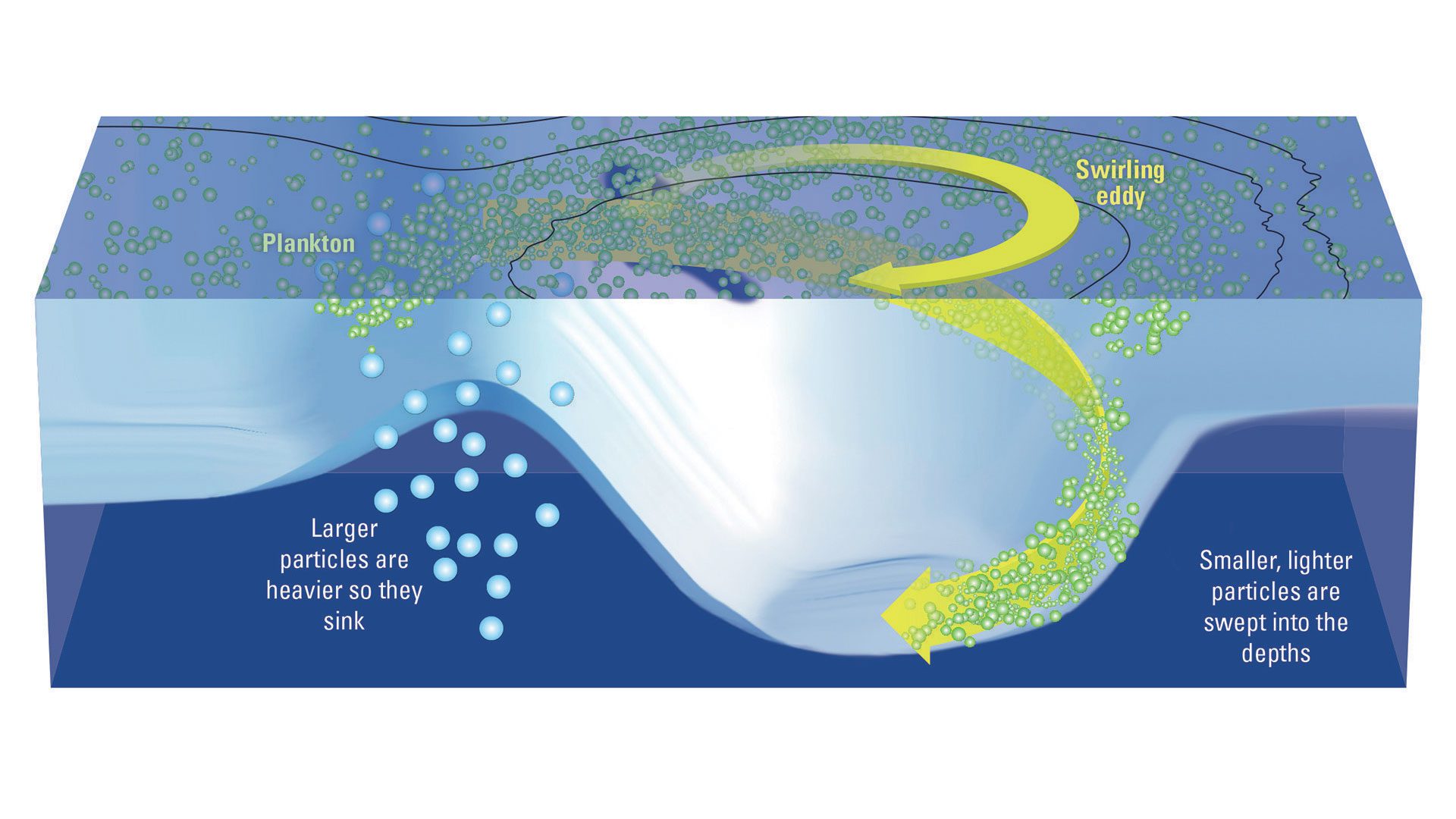
Plankton help reduce atmospheric carbon dioxide by using it to grow. Larger particles sink to store carbon, while scientists study how smaller particles might also descend.
Read MoreOcean food web processes that drive carbon cycle
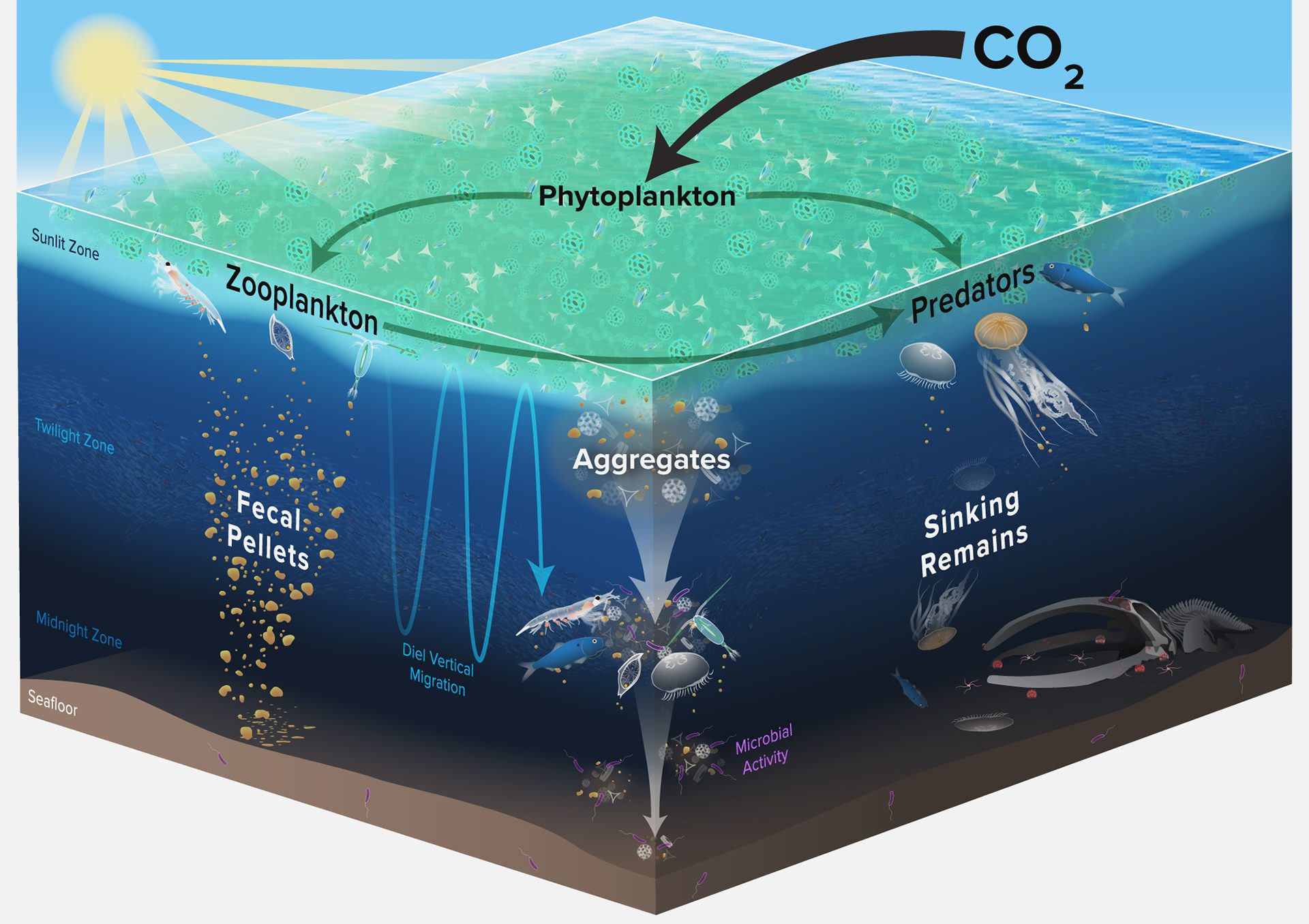
Ocean carbon cycles as phytoplankton convert CO2 into organic carbon, feeding zooplankton that respire CO2; some carbon sinks or is mixed into deeper ocean layers by various pumps.
Read MoreOcean iron recycling illustration
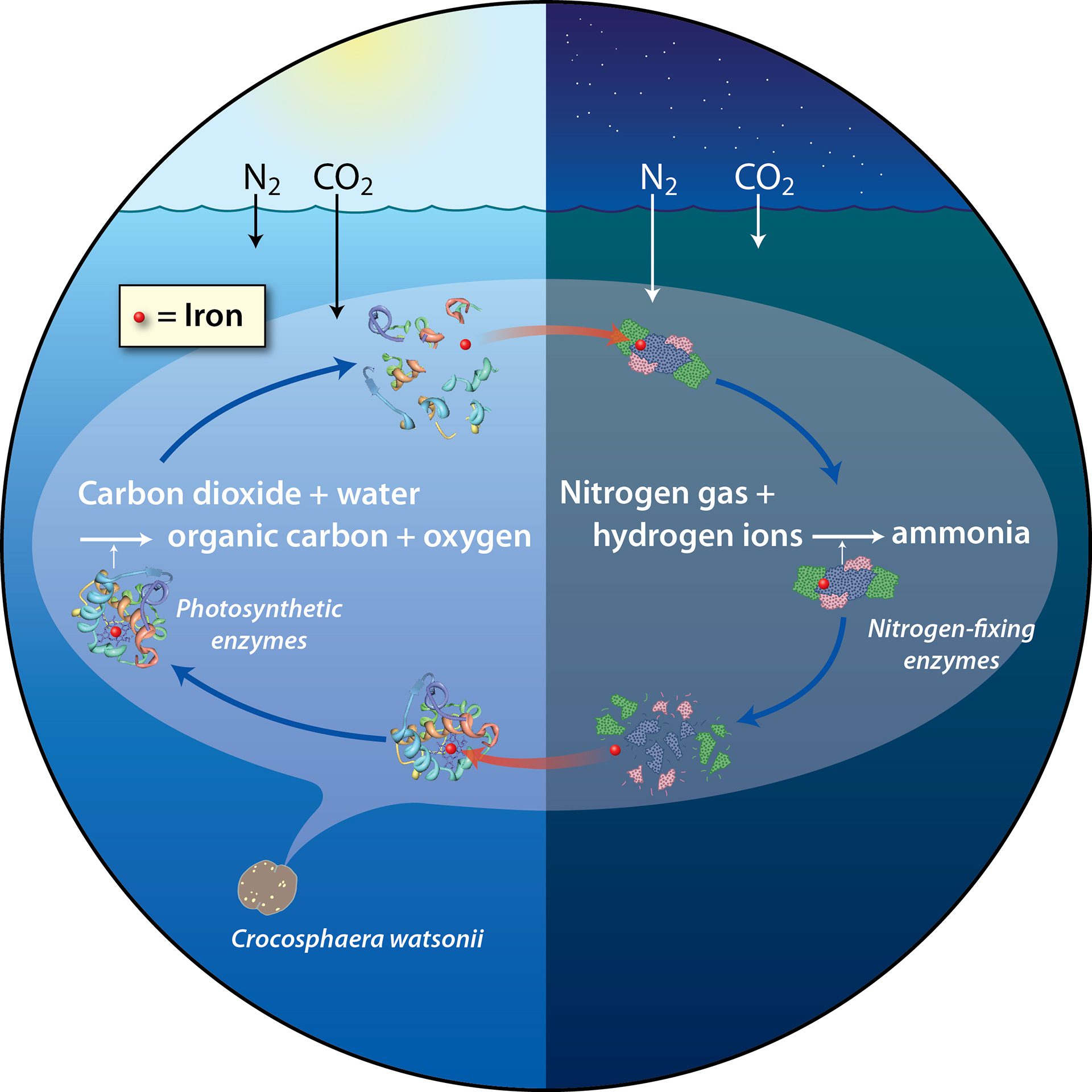
One ocean bacterium halves its iron needs by recycling enzymes—using iron-rich enzymes for photosynthesis by day, then switching to others for ammonia production at night.
Read MoreInfographic showing the effects of radiation on human tissue
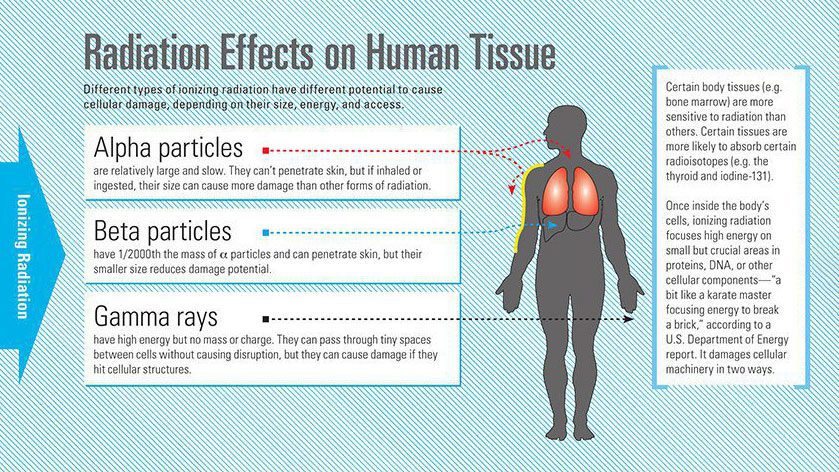
Different types of ionizing radiation have different potential to cause cellular damage, depending on their size, energy, and access.
Read MoreIron fertilization consideration
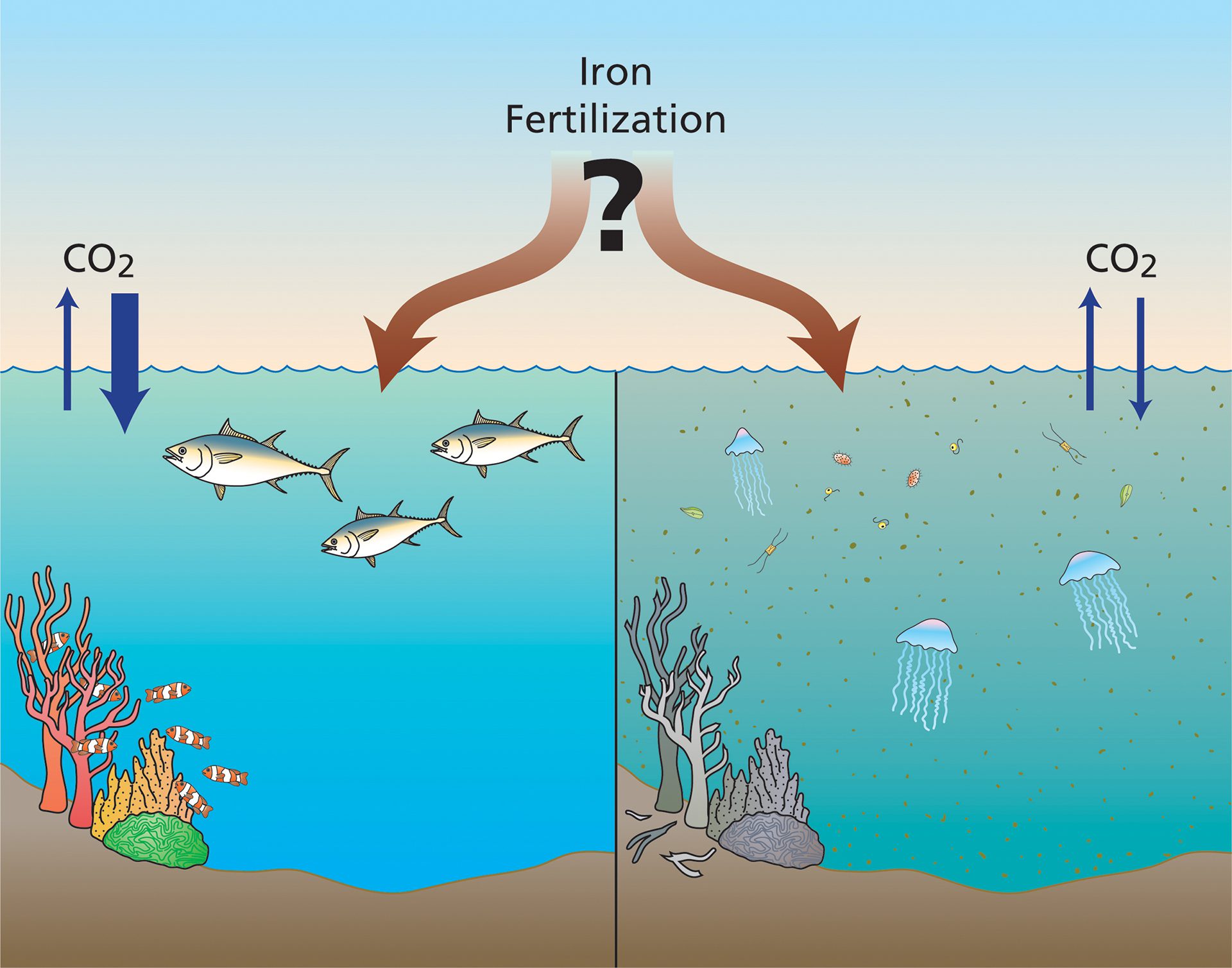
Iron fertilization is a Carbon Dioxide Removal technique that adds iron to the ocean’s surface, stimulating phytoplankton growth to help mitigate climate change.
Read MoreLife cycle of a scallop
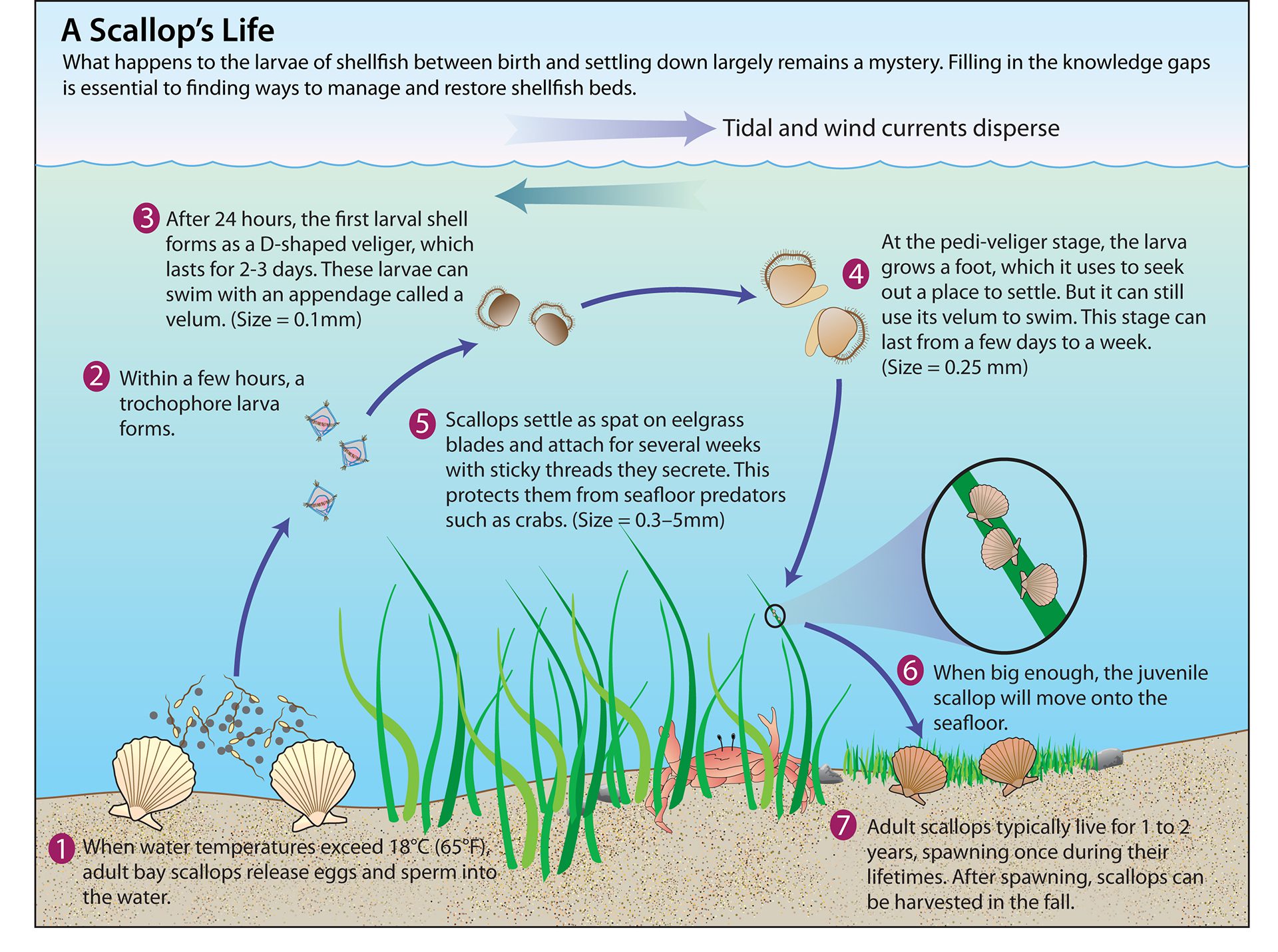
What happens to the larvae of shellfish between birth and settling down largely remains a mystery. Finding out is essential to managing and restoring shellfish beds.
Read MoreLife cycle of dinoflagellate Alexandrium
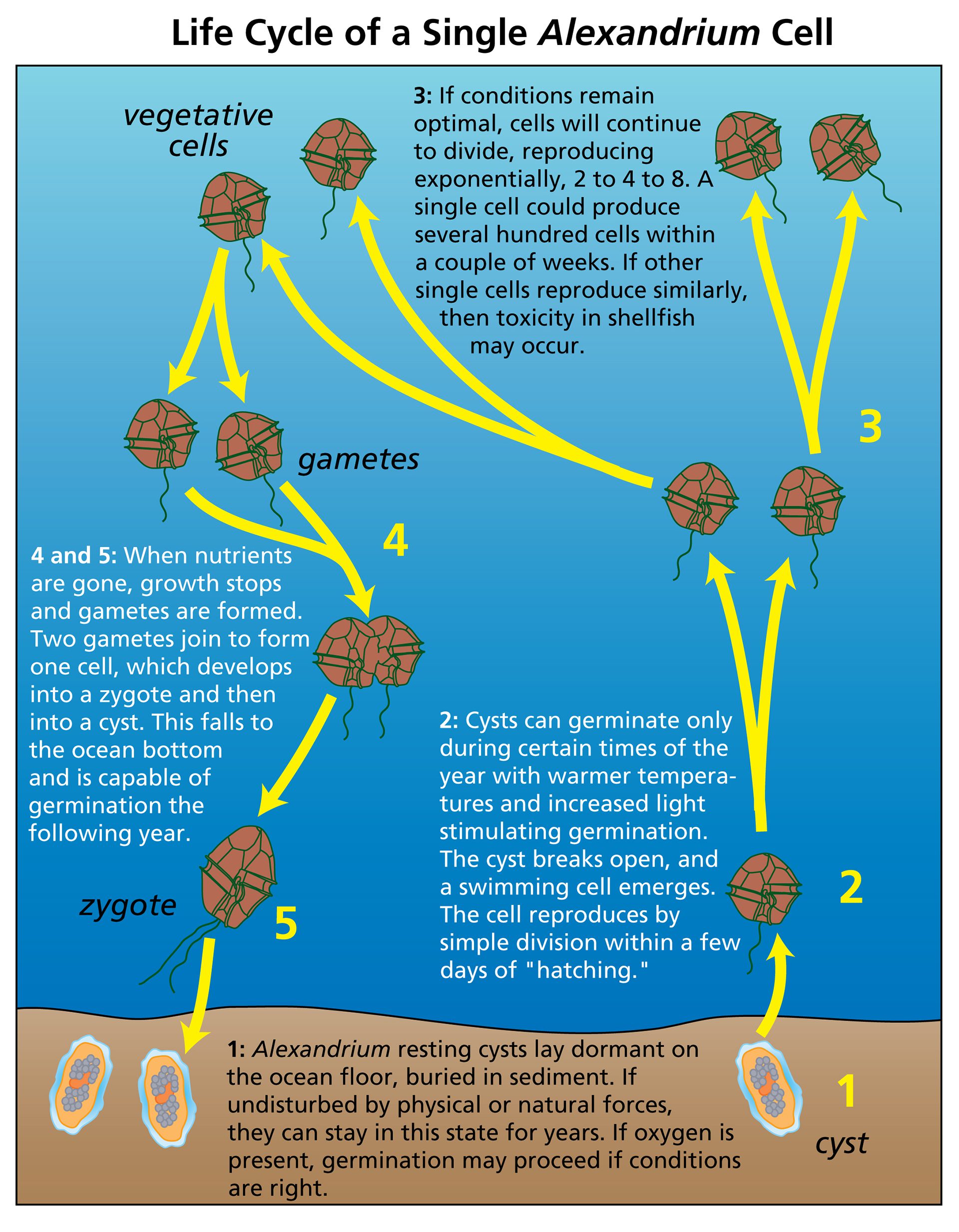
The dinoflagellate Alexandrium grows, divides, and blooms in surface waters, then forms dormant cysts that settle on the seafloor to survive tough conditions.
Read MoreThe "on-call" buoy
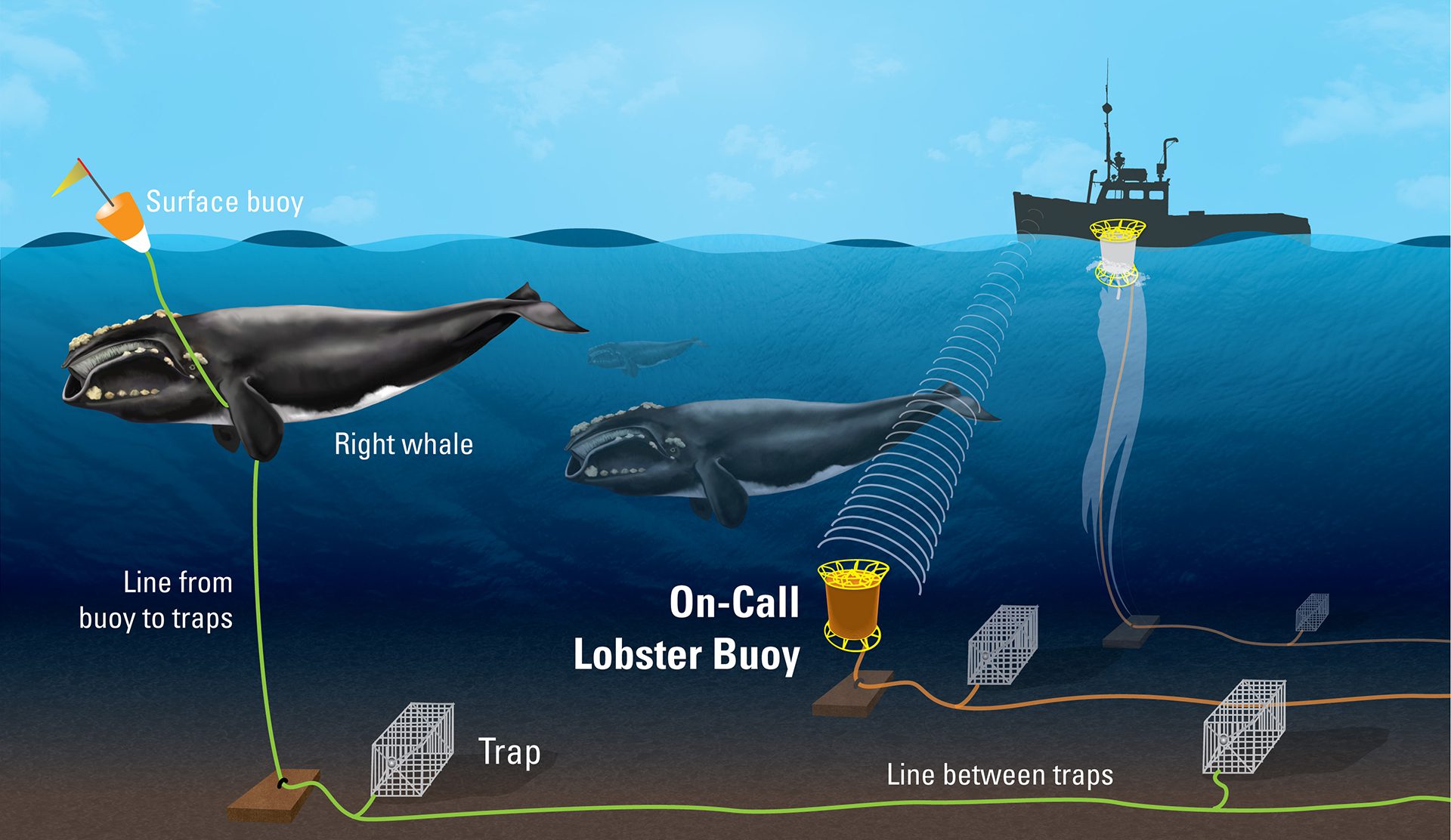
Whales risk fatal entanglement in vertical ropes from lobster traps. The “on-call” buoy coils lines on a buoyant spool, eliminating dangerous vertical lines.
Read MoreMaldive medusae illustration
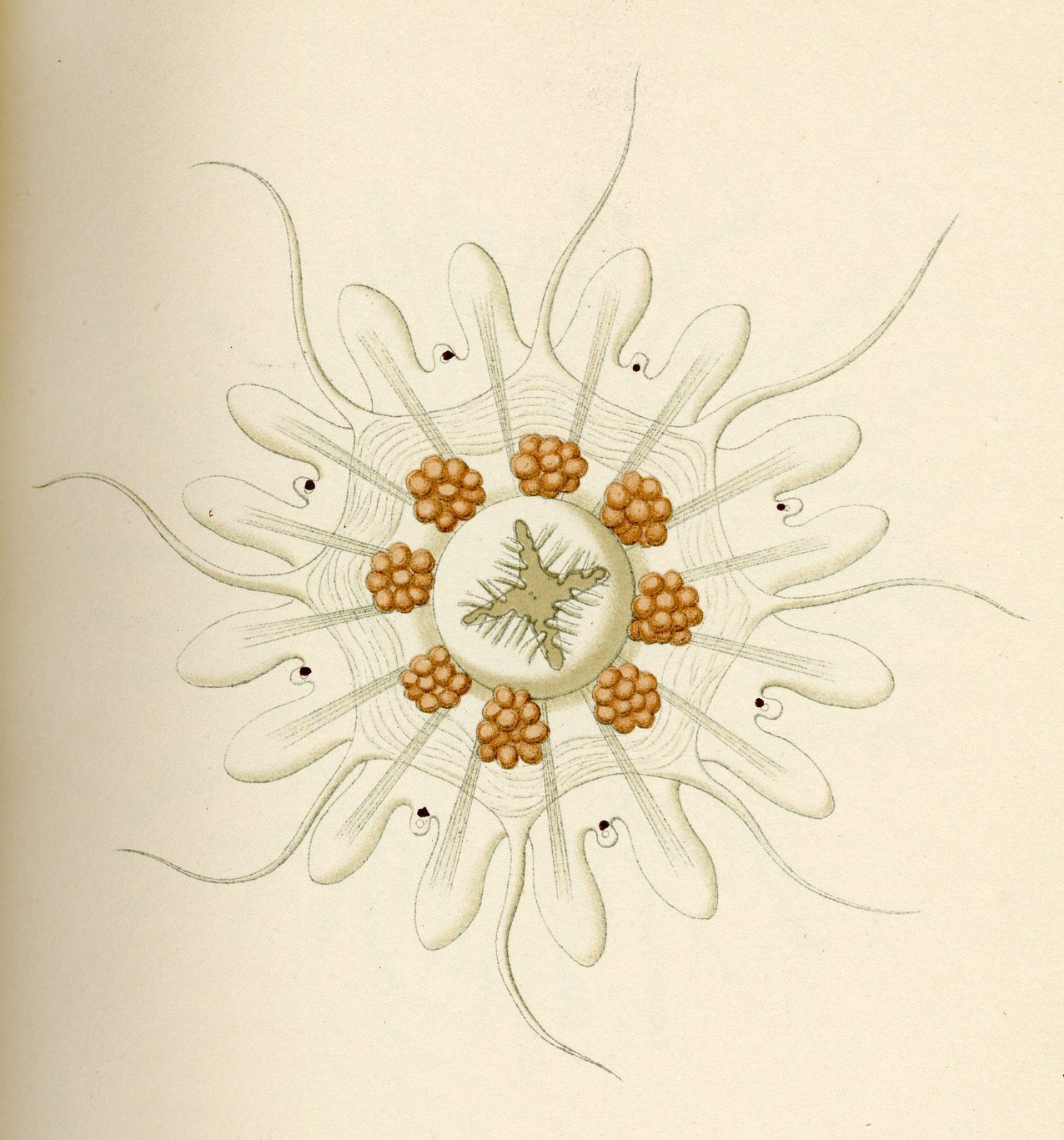
Marine biologist Henry Bigelow, WHOI’s first director, illustrated the Maldive medusae. His detailed, beautiful artwork of gelatinous marine life remains valued today.
Read MoreMarine Life Size vs Abundance
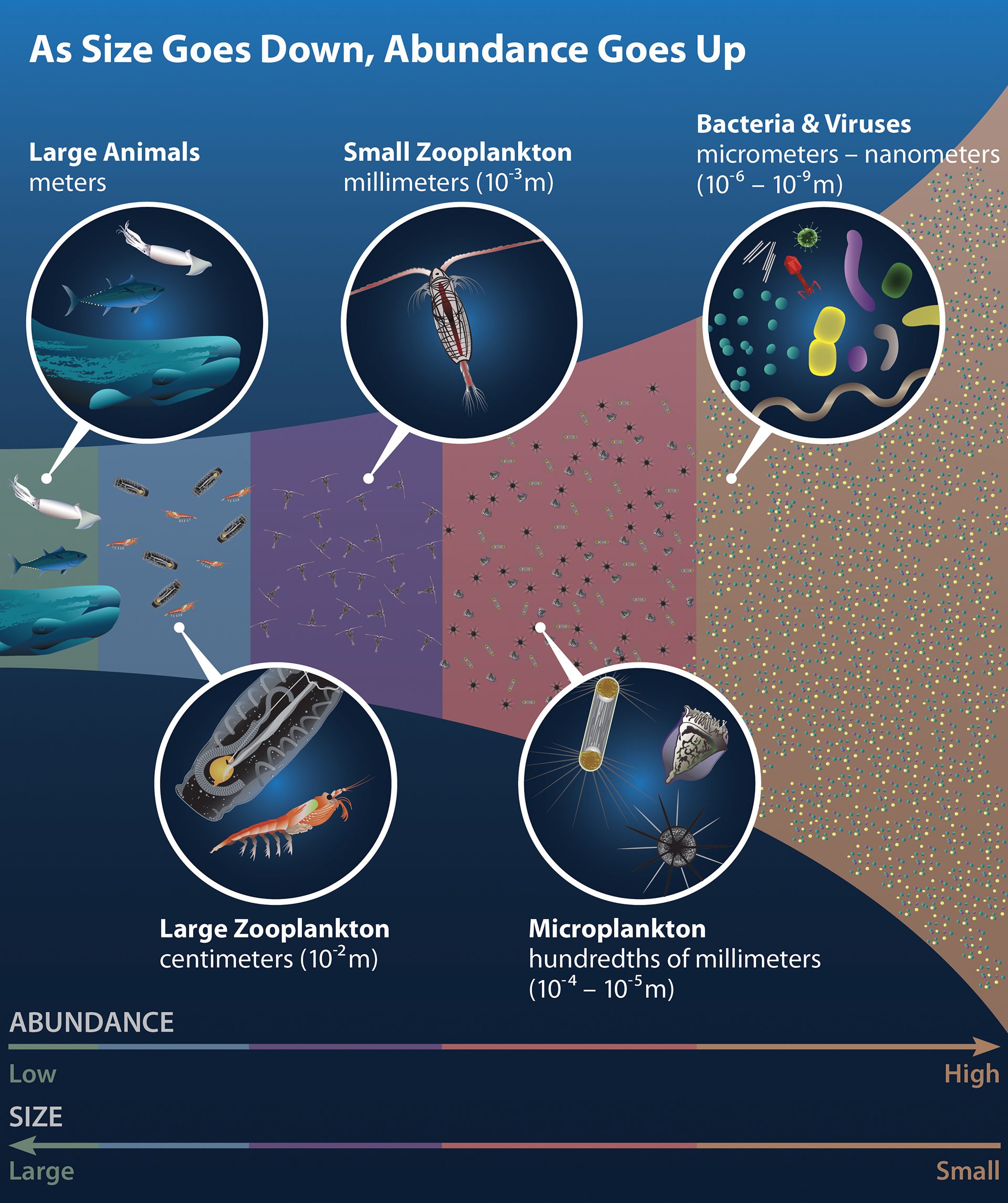
Ocean life spans from tiny bacteria and viruses to massive whales, with fewer larger animals. Most creatures prey on organisms just smaller than themselves in the food chain.
Read MoreMercury cycle illustration
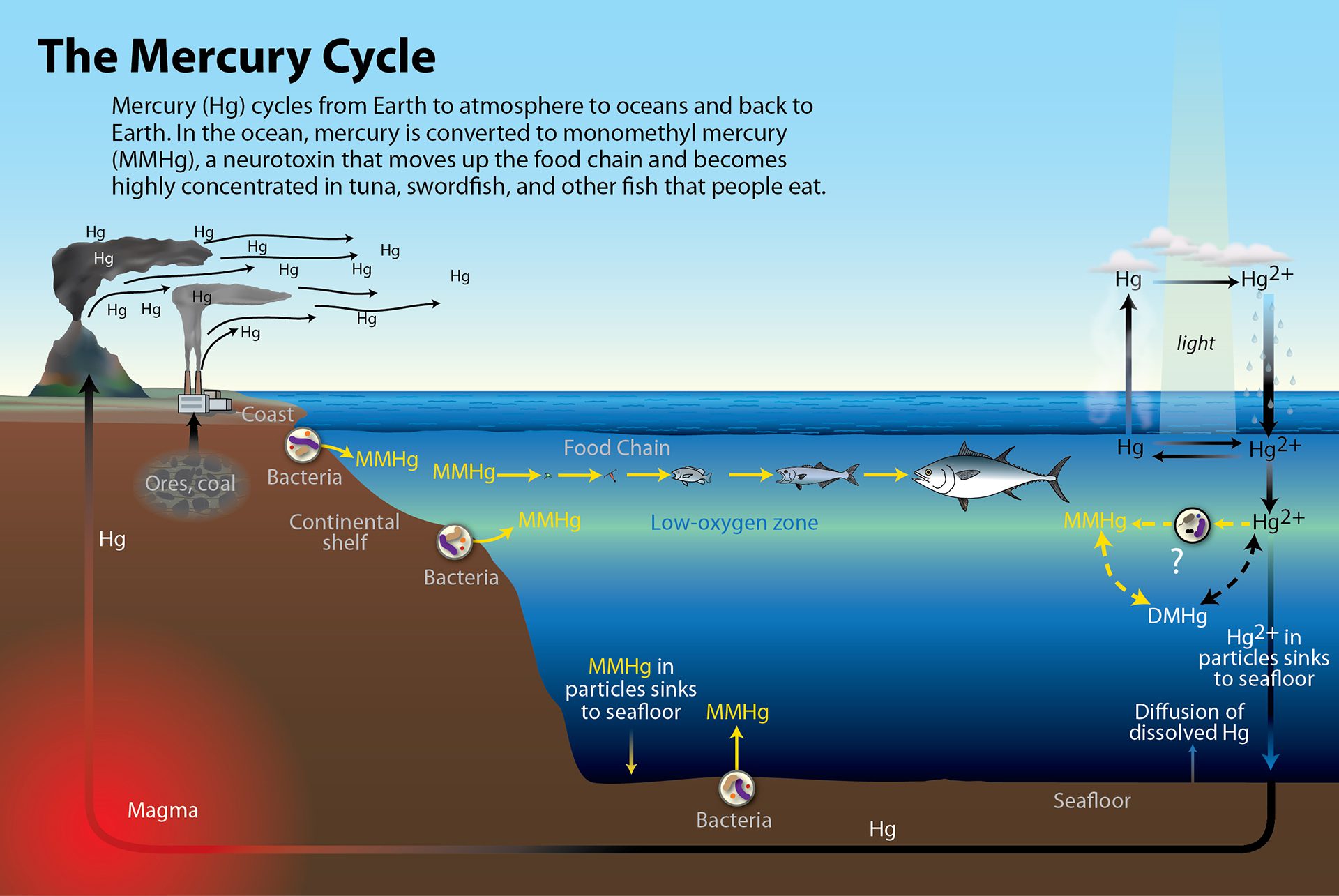
Mercury cycles between Earth, air, and ocean, where it becomes toxic monomethylmercury that builds up in tuna, swordfish, and other fish we consume.
Read More