
Biology
The deep ocean is more dynamic than you think
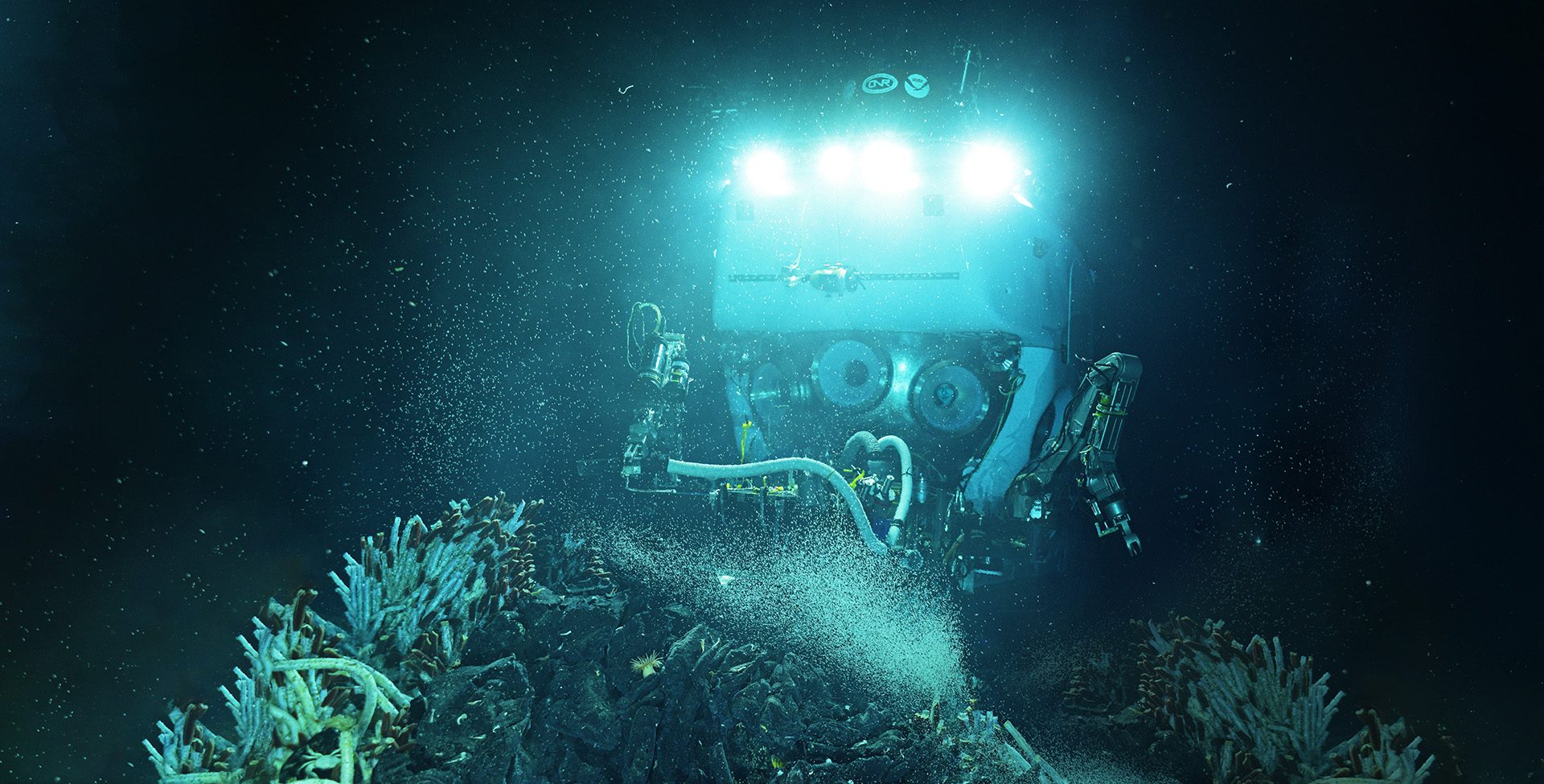
The deep ocean is dynamic, with shifting currents and layers influencing climate, ecosystems, and global ocean processes.
Read MoreHow do tiny marine microbes affect global carbon?
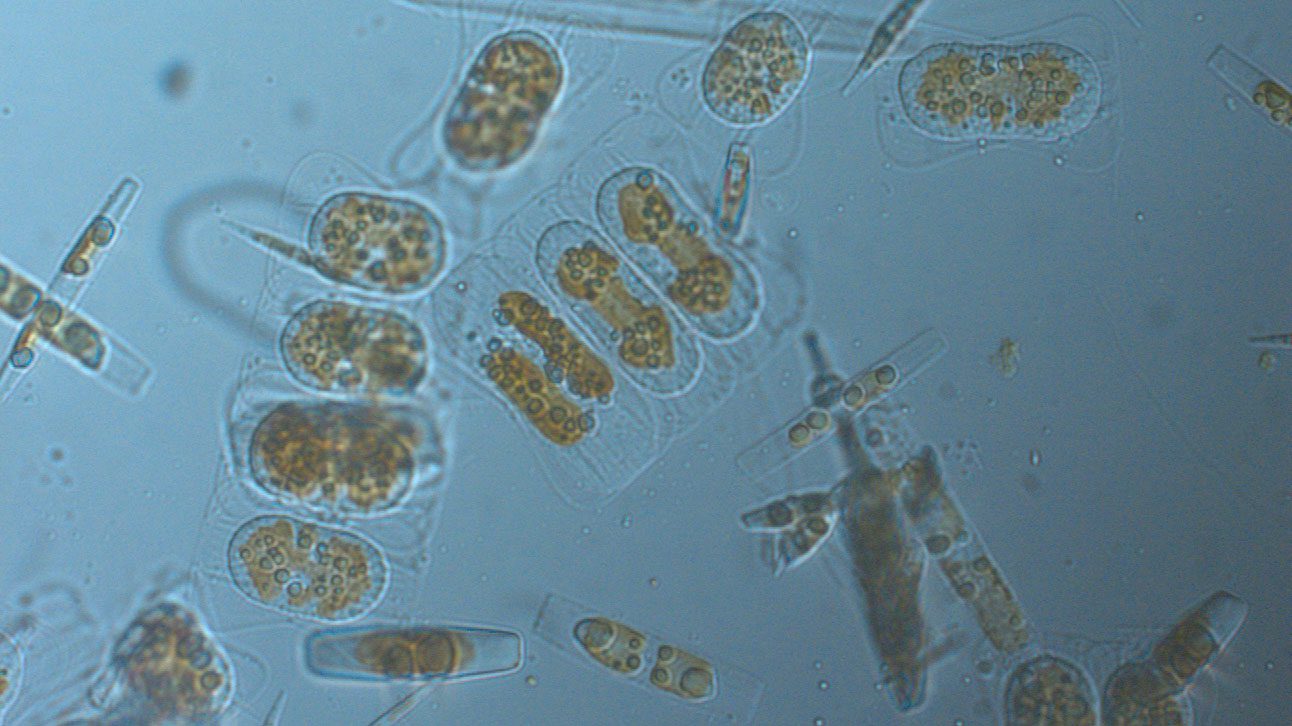
Tiny marine microbes transform ocean carbon, helping lock it away for centuries and slowing pace of global climate change.
Read MoreHow do deep-sea organisms get energy?
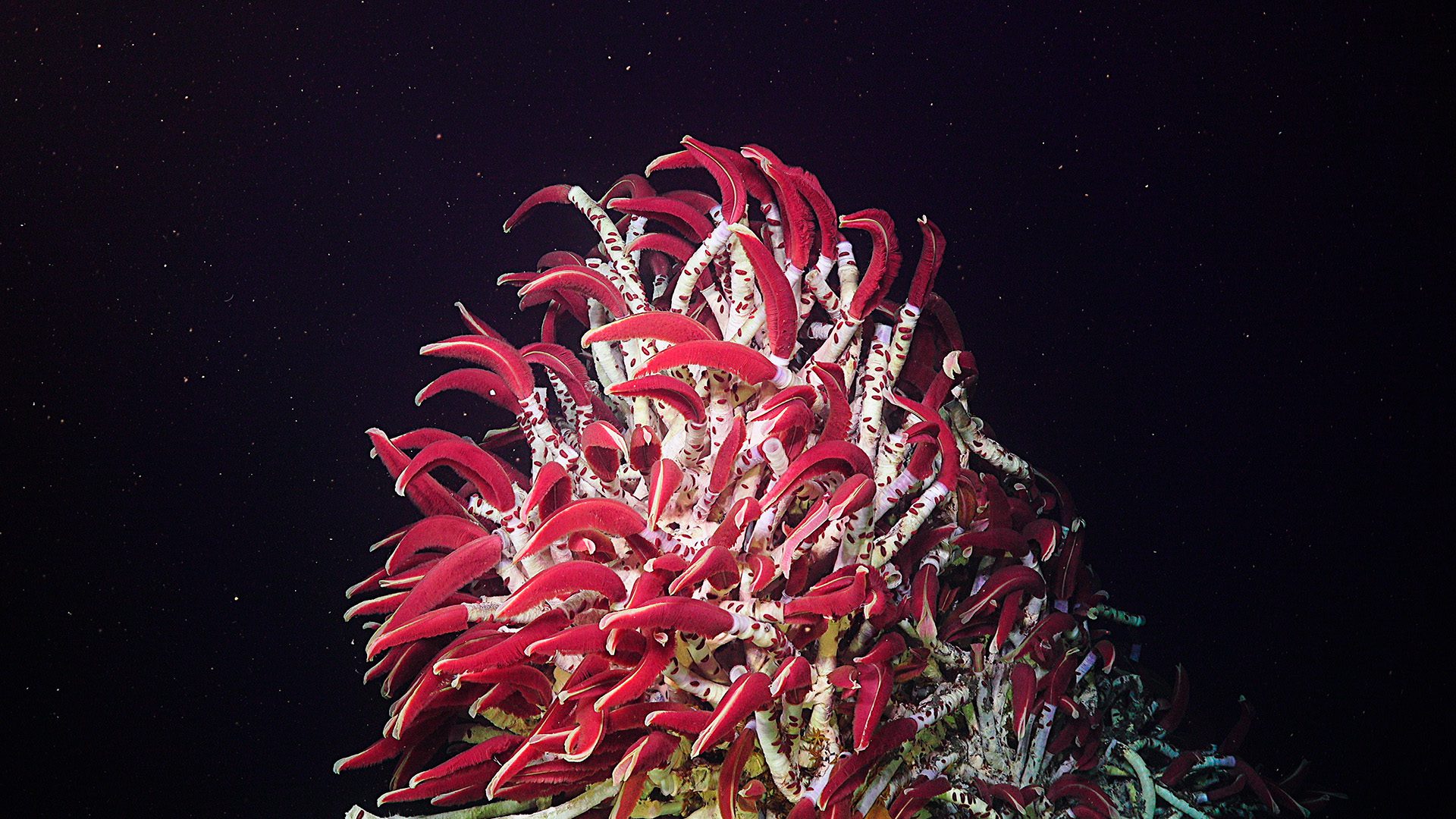
Deep-sea microbes use chemosynthesis from vents and seeps, sustaining ecosystems central to life and exploration.
Read MoreAre shark attacks on the rise?
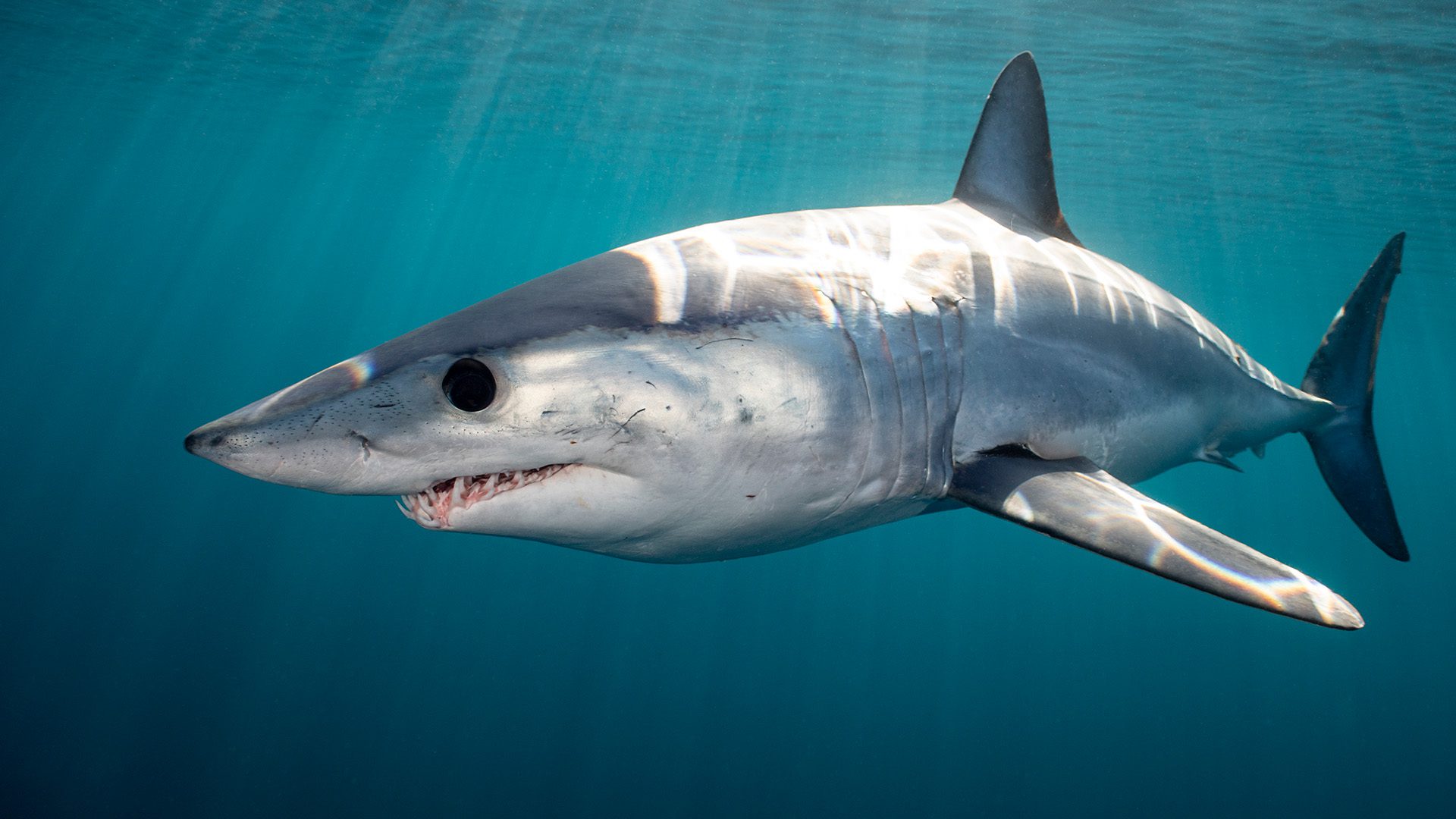
Shark attacks are not on the rise, contrary to popular belief; marine ecologist Camrin Braun from WHOI emphasizes that these incidents often result from mistaken identity and that the odds of being bitten are just one in 4.3 million.
Read MoreHow bacteria achieve a “quorum”
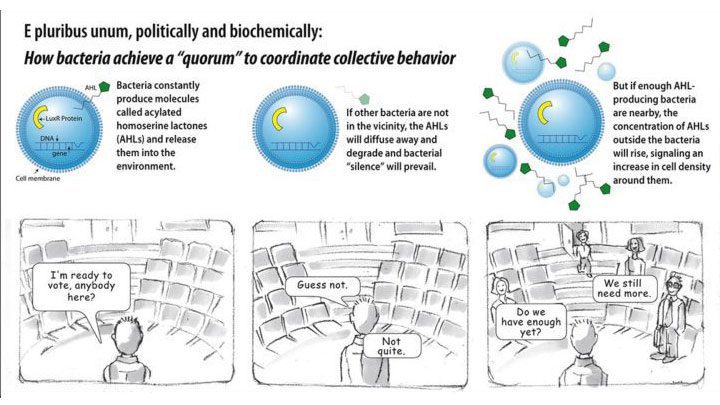
Bacteria utilize quorum sensing to coordinate collective behavior, a process that allows them to communicate and respond as a unified group. This fascinating mechanism plays a crucial role in their survival and adaptation in diverse environments.
Read MoreHow does bioluminescence work?
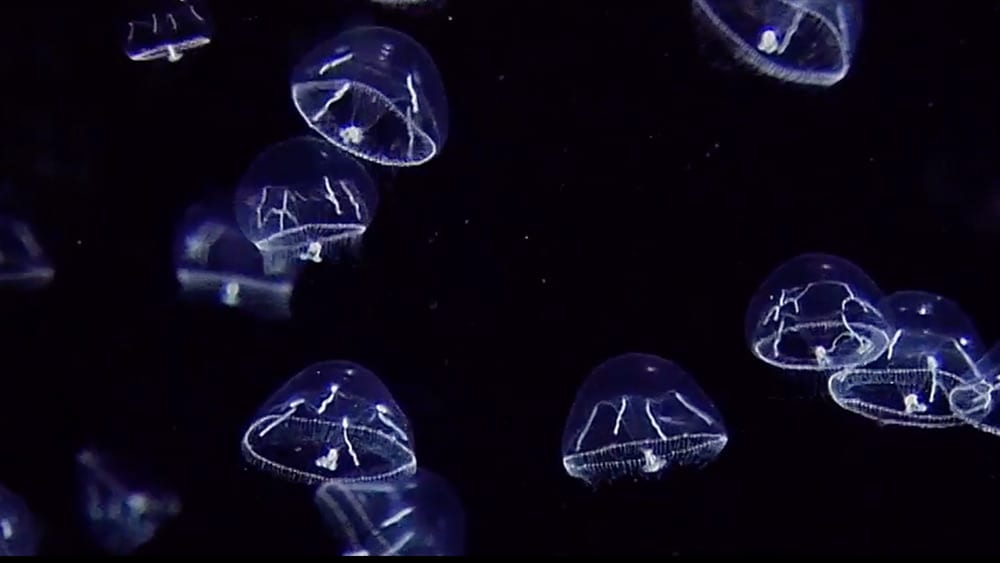
Deep in the ocean there’s very little sunlight. But if you could swim down there, it would look a bit like the night sky. Why is this?
Read MoreWhy are corals so colorful
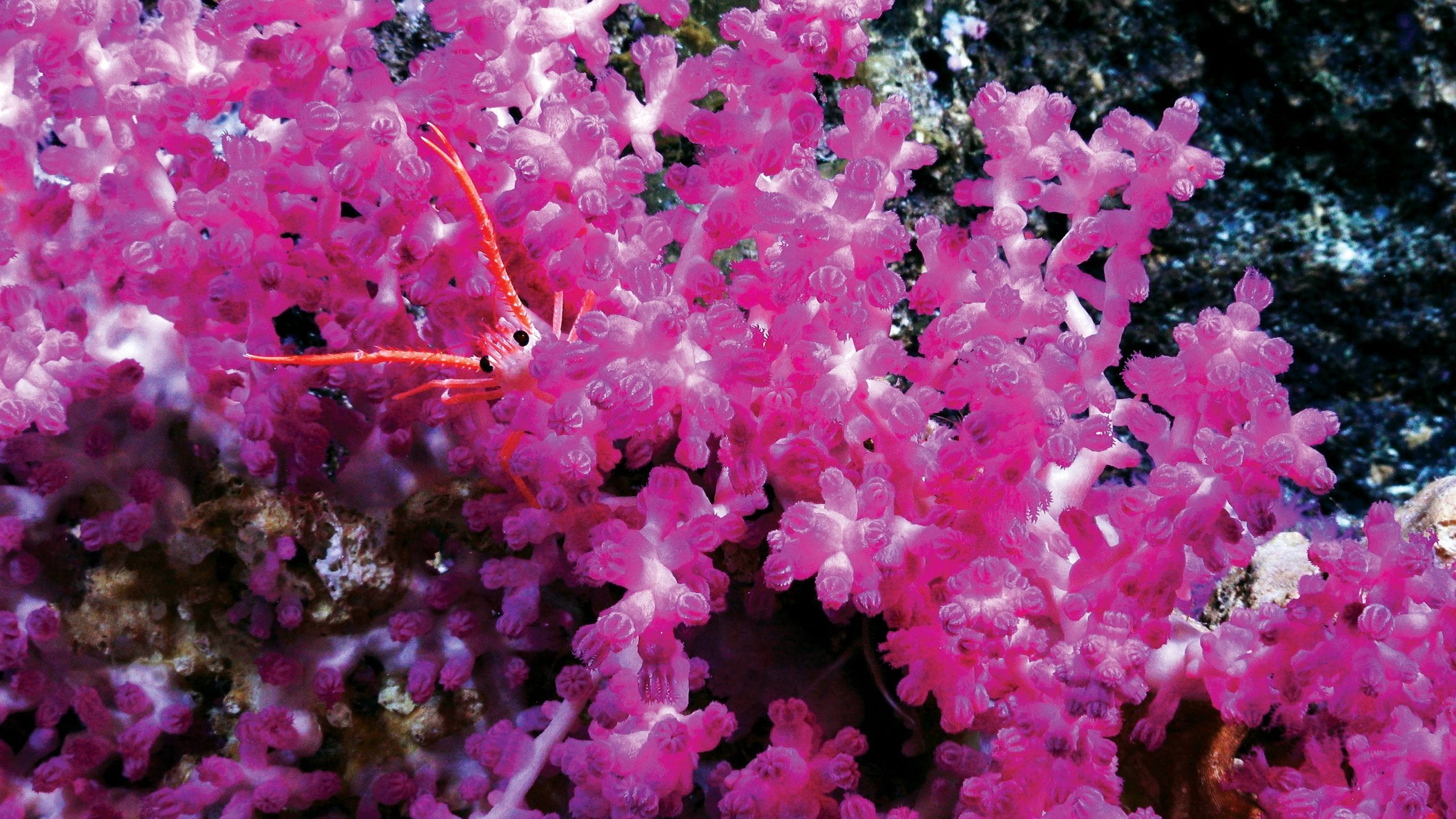
One of the most striking things about coral is its bright coloring. But many are a dull green or brown. So, what gives some corals their bright hues?
Read MoreHow do marine animals hear?
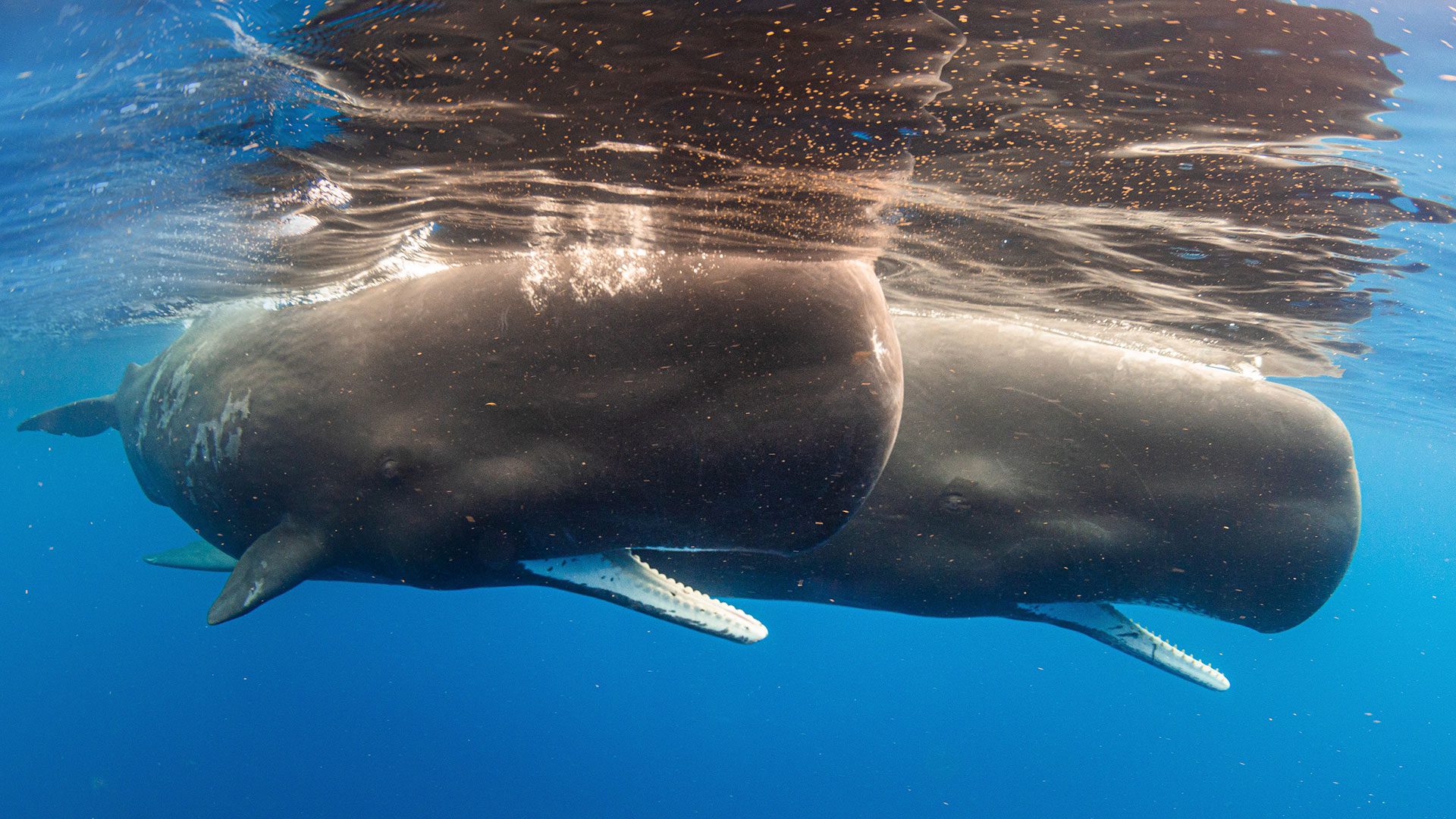
Sound travels faster and farther in water than air, helping marine animals like whales, corals, and crabs navigate, communicate, and survive by detecting and responding to underwater acoustic signals.
Read MoreDoes plastic last for thousands of years in the environment?
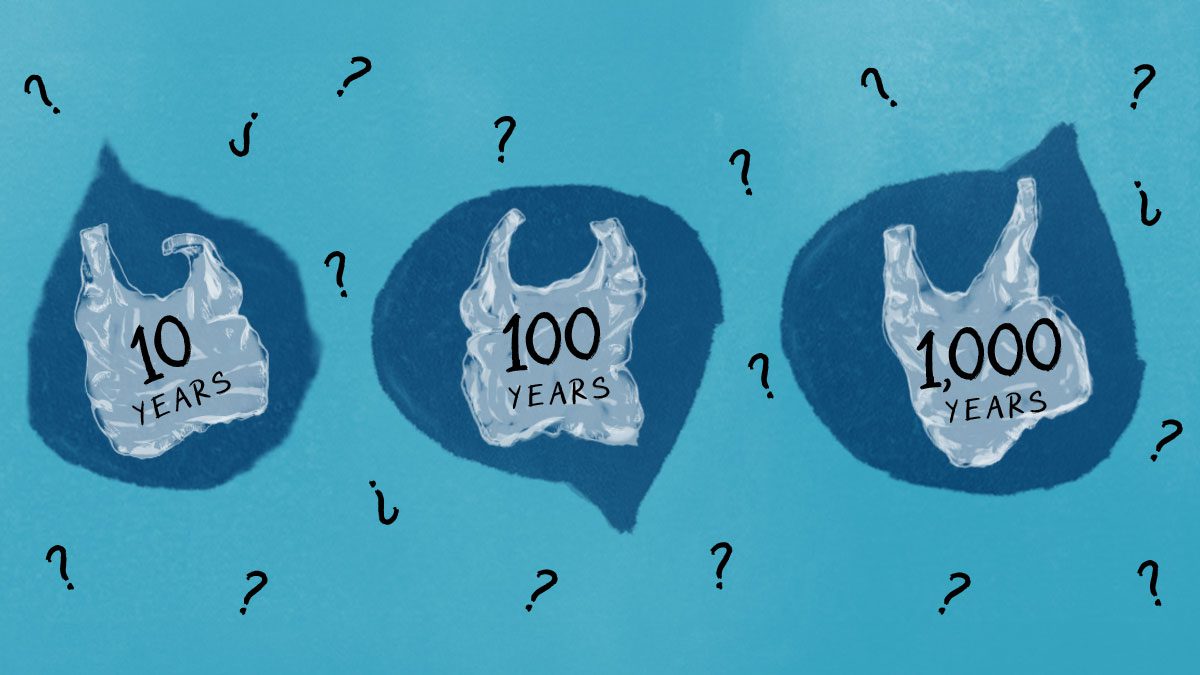
Plastic pollution is a serious-and growing-environmental problem, with millions of tons of bags, bottles, fishing gear and more piling up on land and floating out to sea.
Read MoreEdible Seaweed
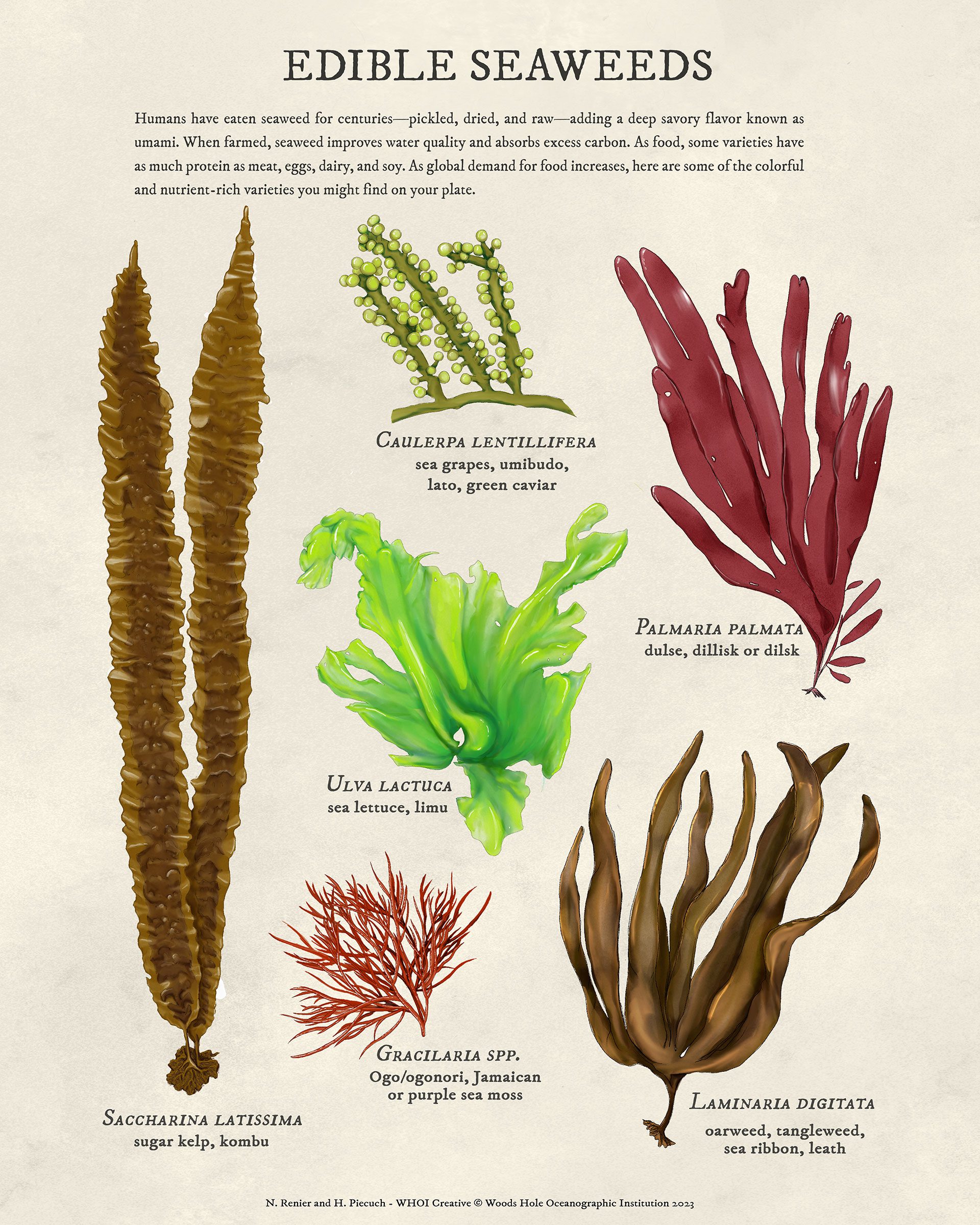
A guide to the seaweeds that might (already) be on your plate.
Read MoreDrawing of Porpita lutkeana by Henry Bigelow

Soft-bodied “jellies” have long fascinated scientists. In 1901, WHOI’s first director Henry Bigelow beautifully illustrated the medusa Porpita lutkeana.
Read MoreHow bacteria is transported through the environment into the ocean
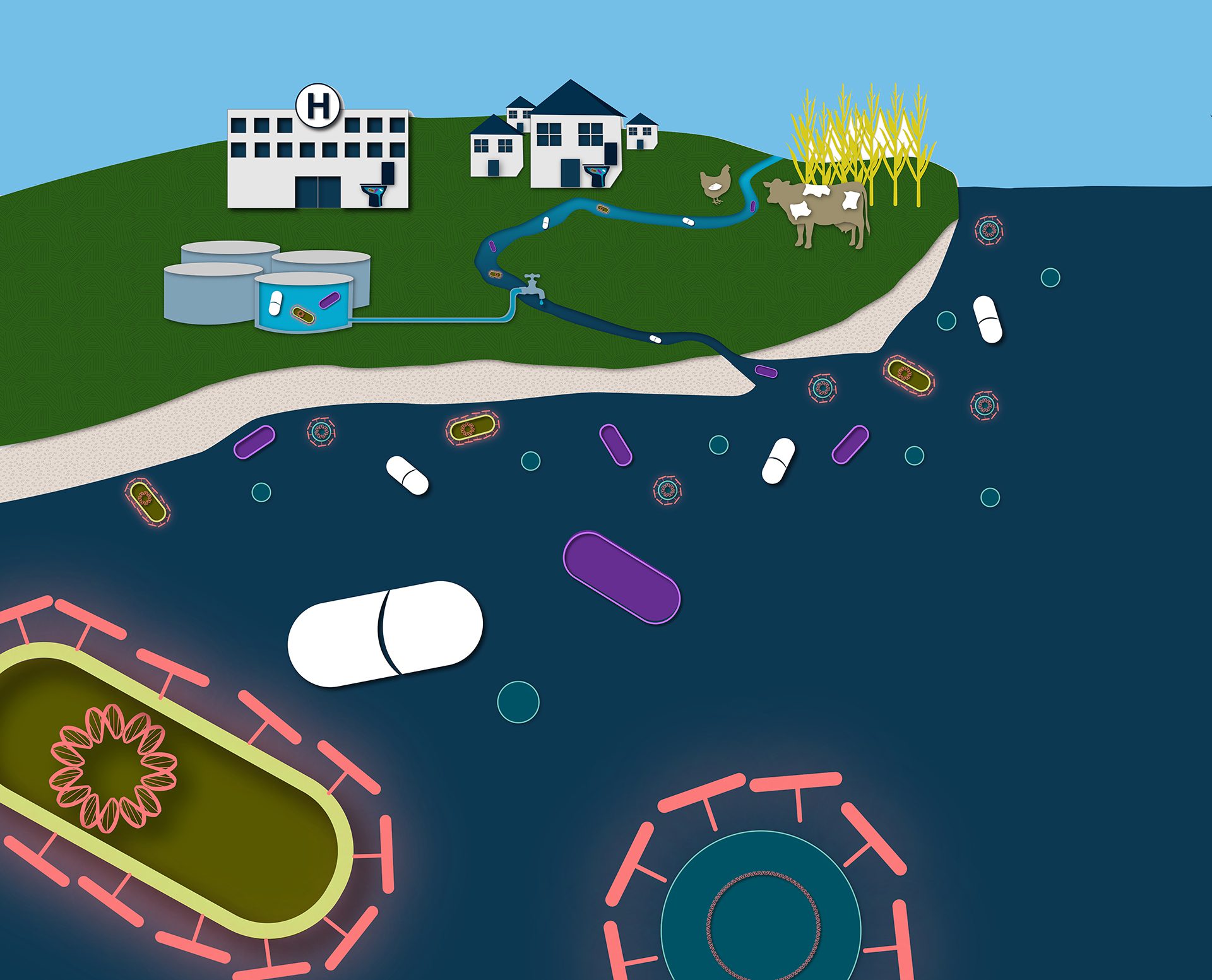
Wastewater carries antibiotics and bacteria to oceans, where antibiotic-resistant microbes emerge. Researchers study these impacts on marine and human health.
Read MoreGrowing bacteria in petri dishes applied with antibiotics
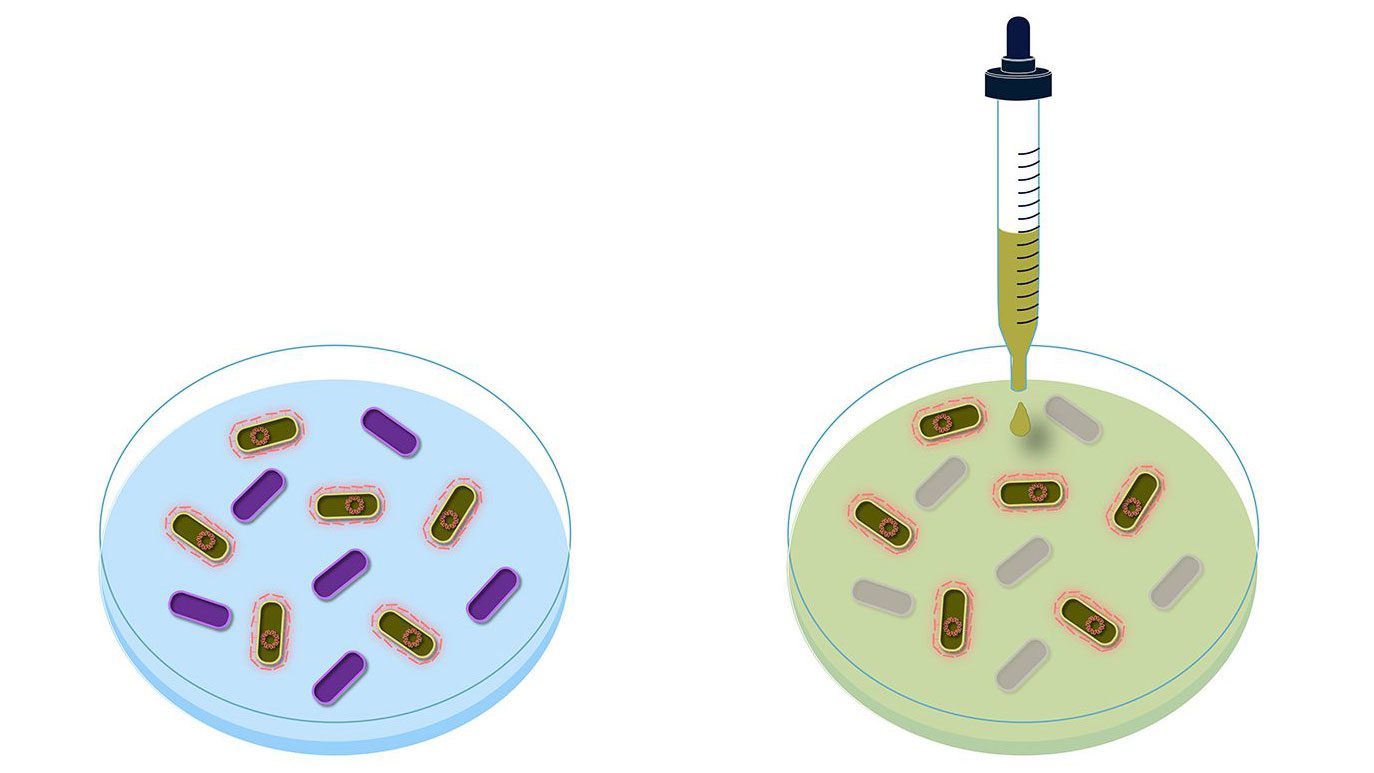
Antibiotics can encourage antibiotic resistance by killing off all the susceptible bacteria and leaving only the resistant bacteria to grow and multiply.
Read MoreHow do manatees stay hydrated?
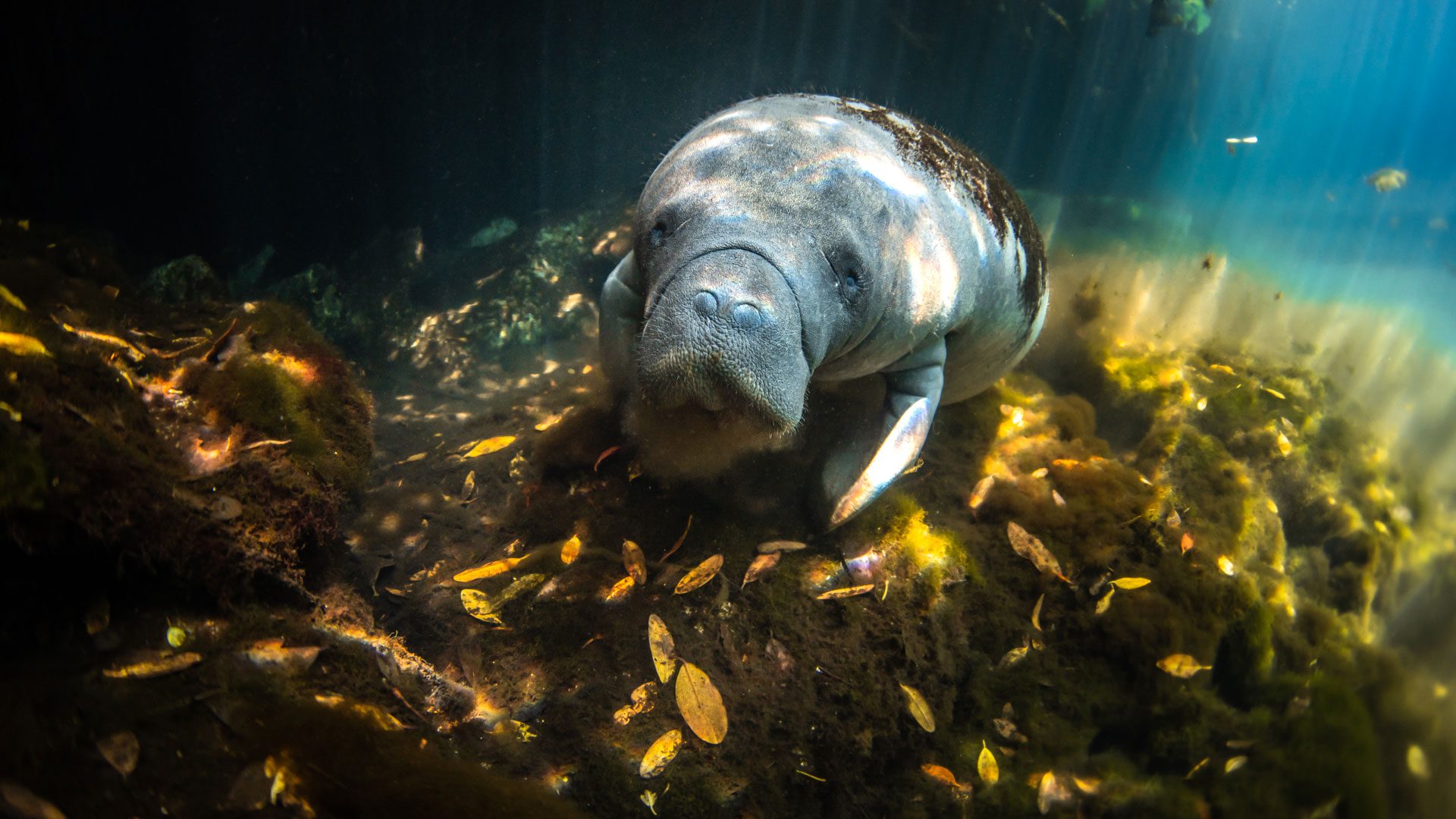
Marine mammals need to hydrate—even in the saltiest of seas. Here’s how manatees stay fresh wherever they go.
Read MoreBiological Carbon Pump
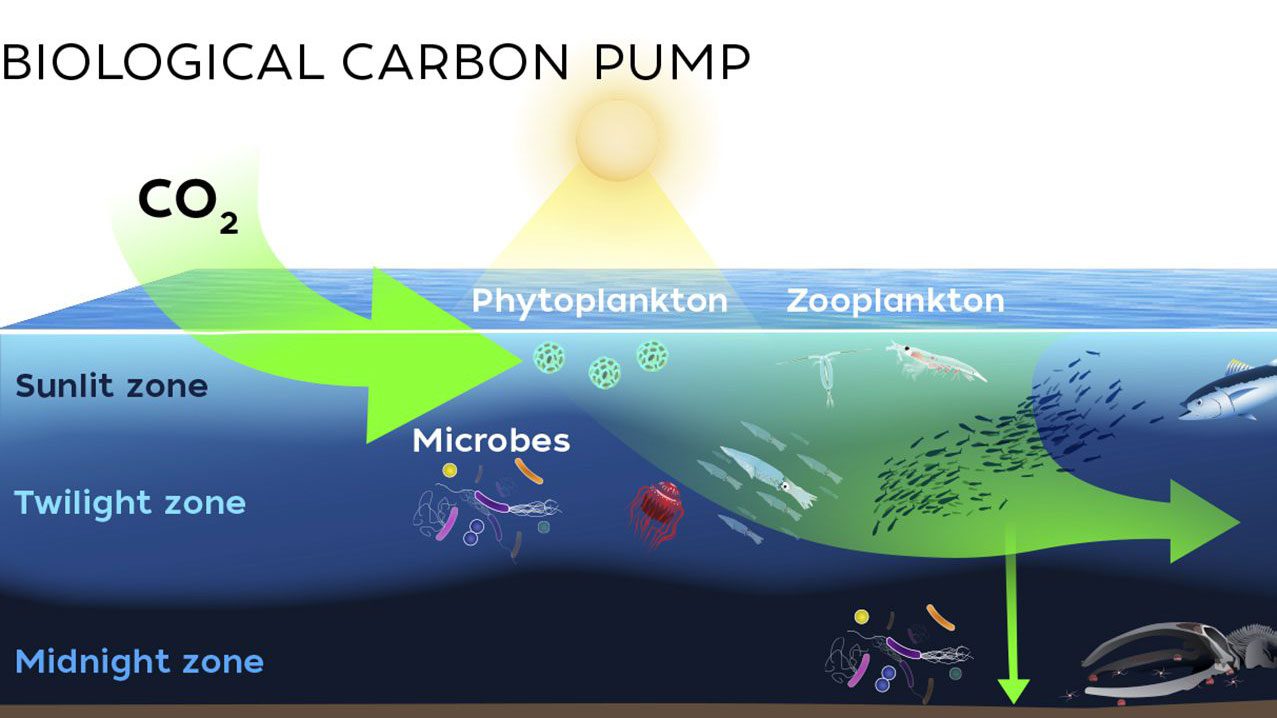
The ocean’s biological carbon pump moves carbon from surface waters to the deep sea, helping regulate climate by keeping some heat-trapping gases out of the air.
Read MoreTwo Chemical Roads Diverge in an Open Ocean illustration
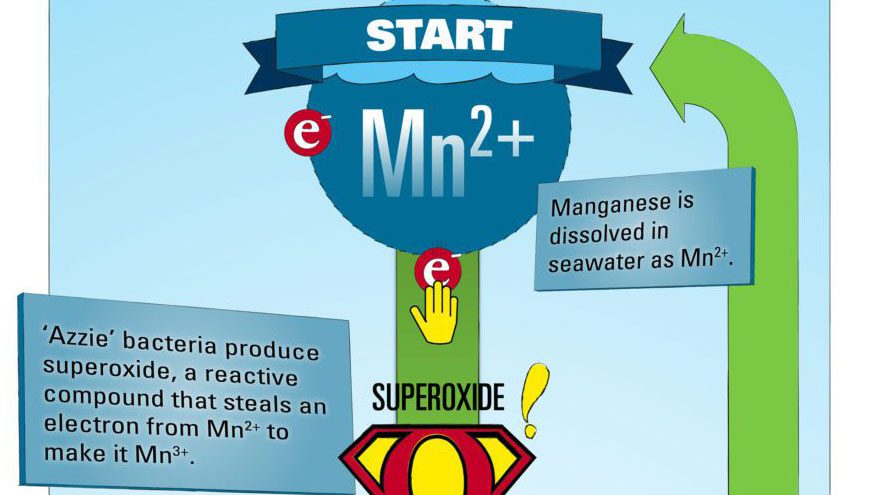
An exploration of how and why manganese oxide deposits form in the environment
Read MoreTwo subspecies of pilot whales identified
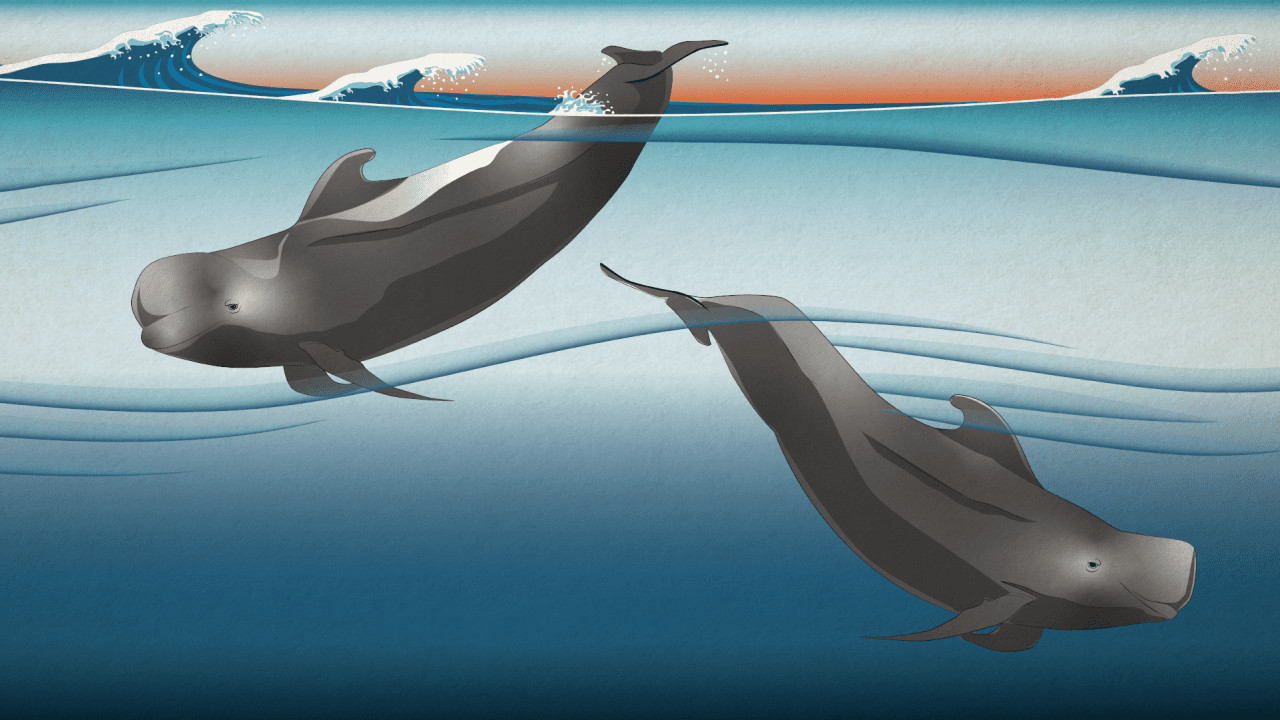
New research reveals that short-finned pilot whales are not one, but two distinct subspecies, changing our understanding of their diversity.
Read MoreDecoding microbes by their lipids
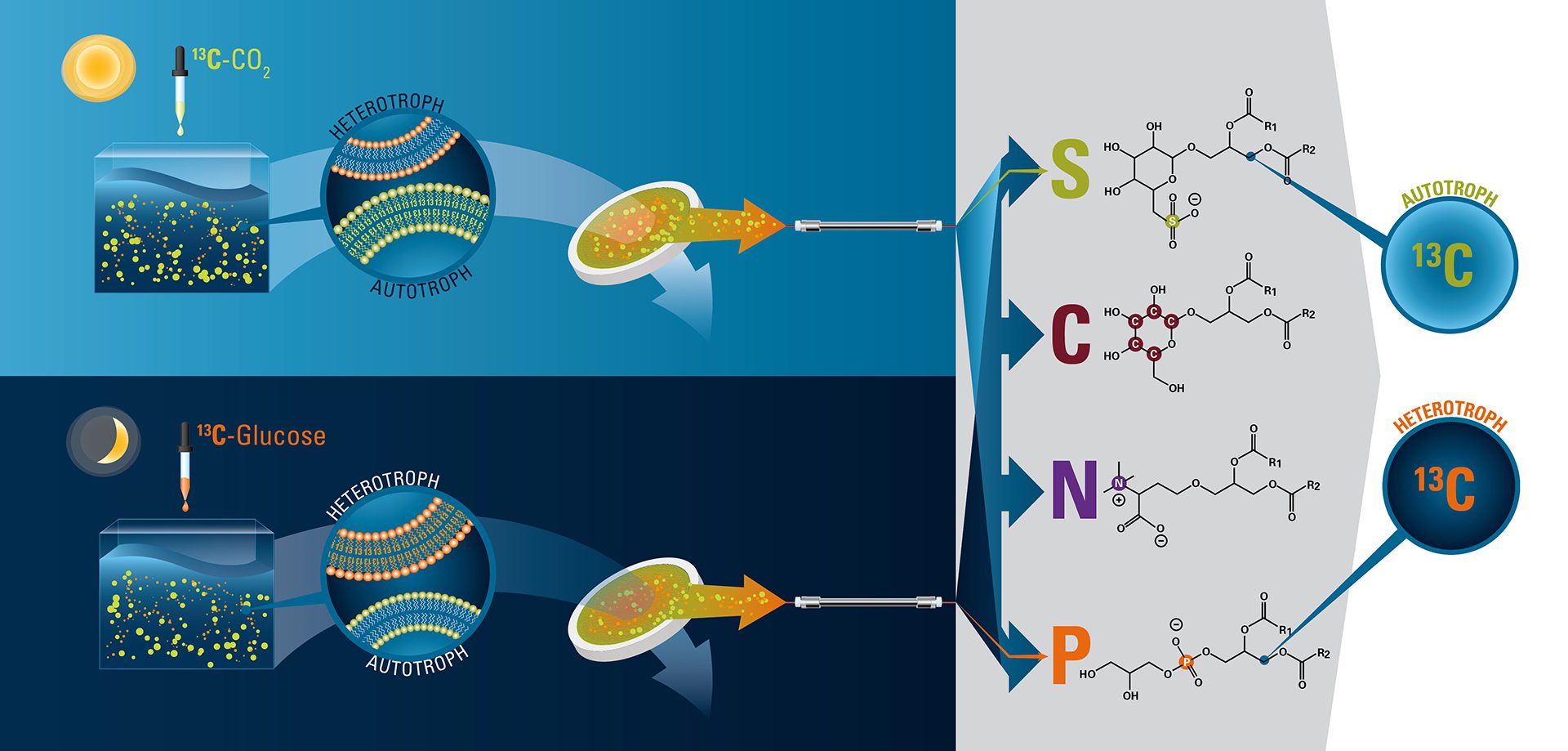
Scientists use lipid chemistry to identify ocean microbes—distinguishing light-powered autotrophs from carbon-processing heterotrophs in seawater samples.
Read MoreCystic fibrosis
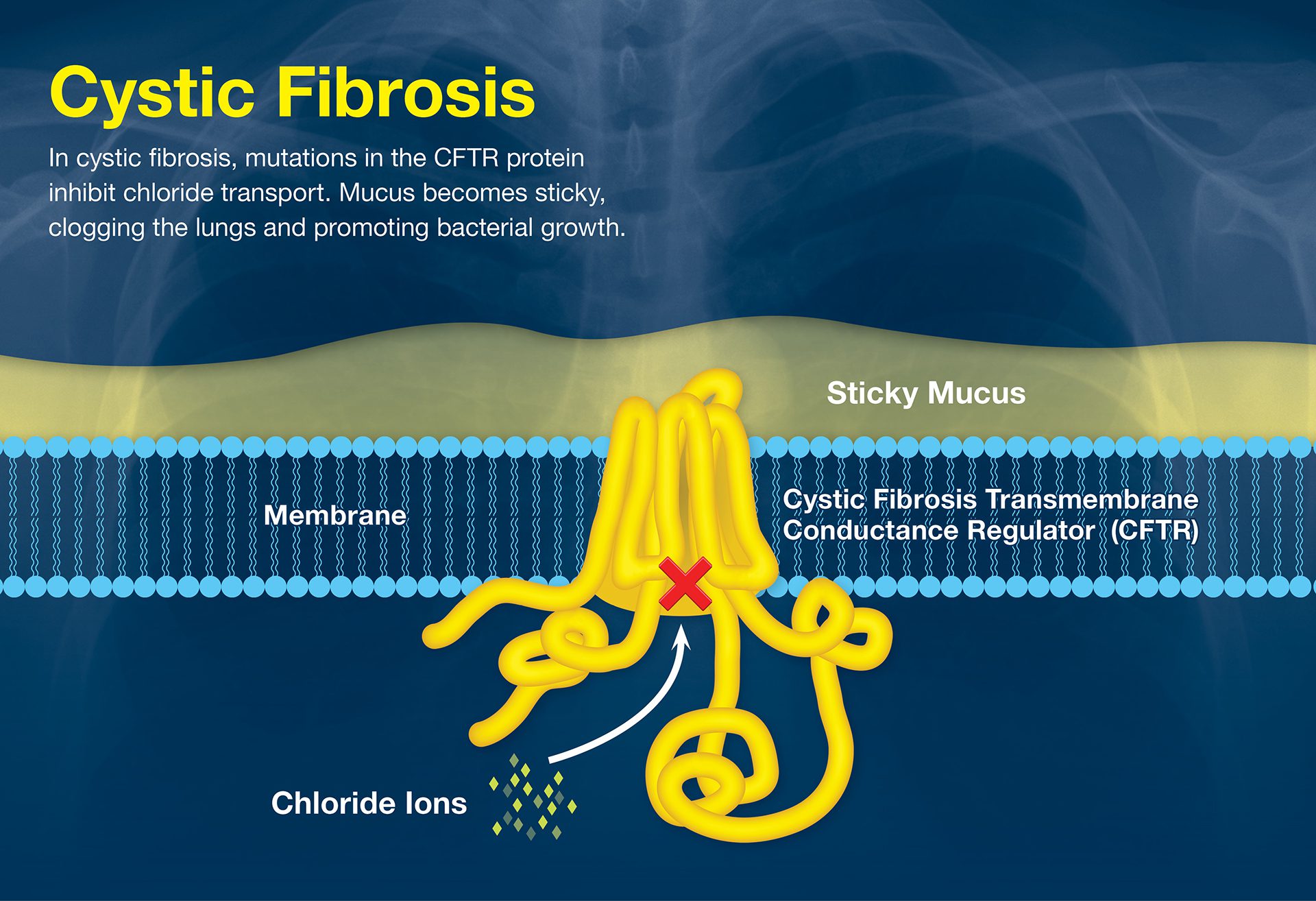
Cystic fibrosis impairs lung function due to a faulty protein. WHOI scientists seek marine molecules that might help restore normal function.
Read MoreAnimals of the open ocean
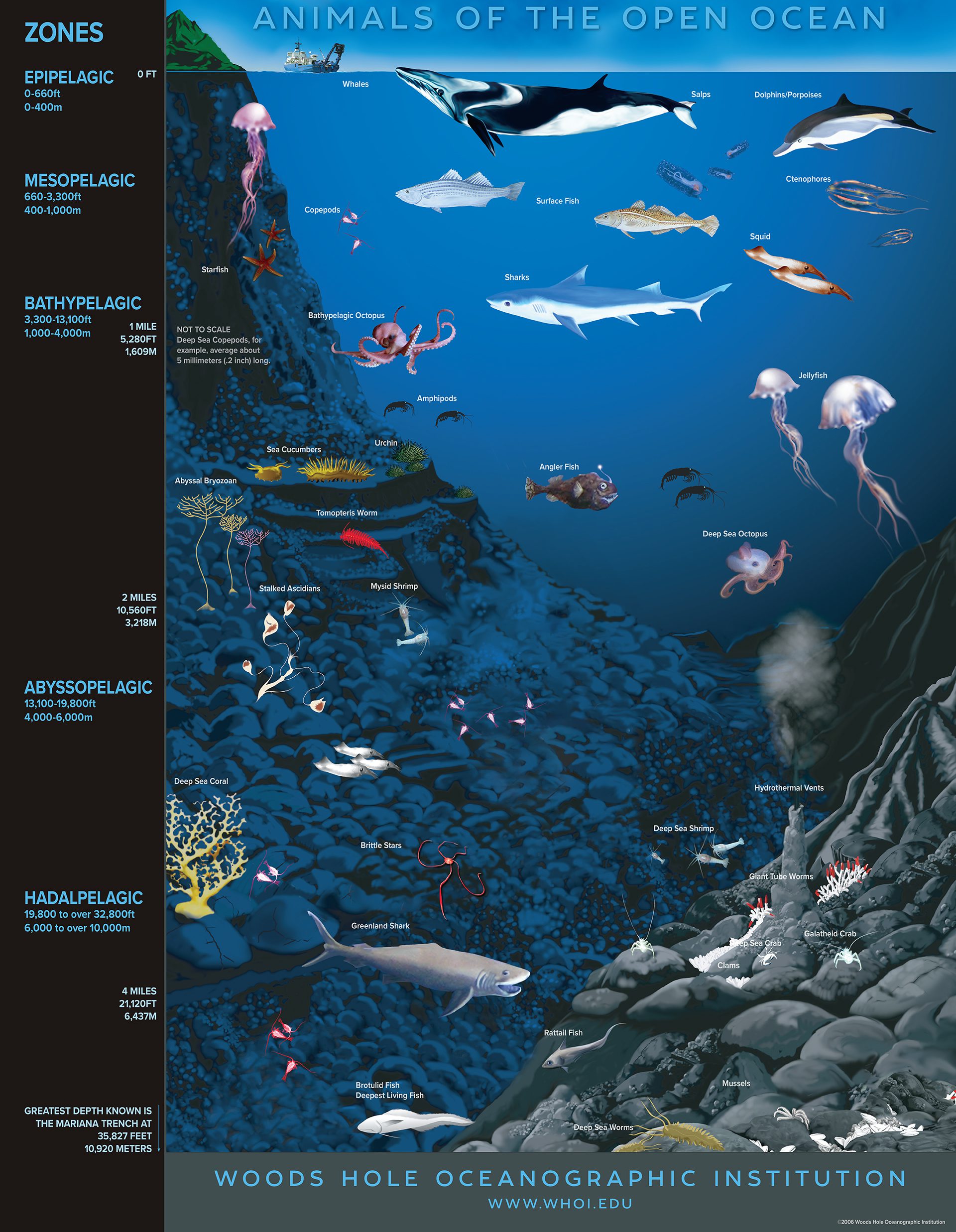
A cross-section of the ocean, showcasing various marine life at different depths, from the sunlit surface to the dark abyssal plains.
Read MoreOcean carbon cycle to twilight zone depth
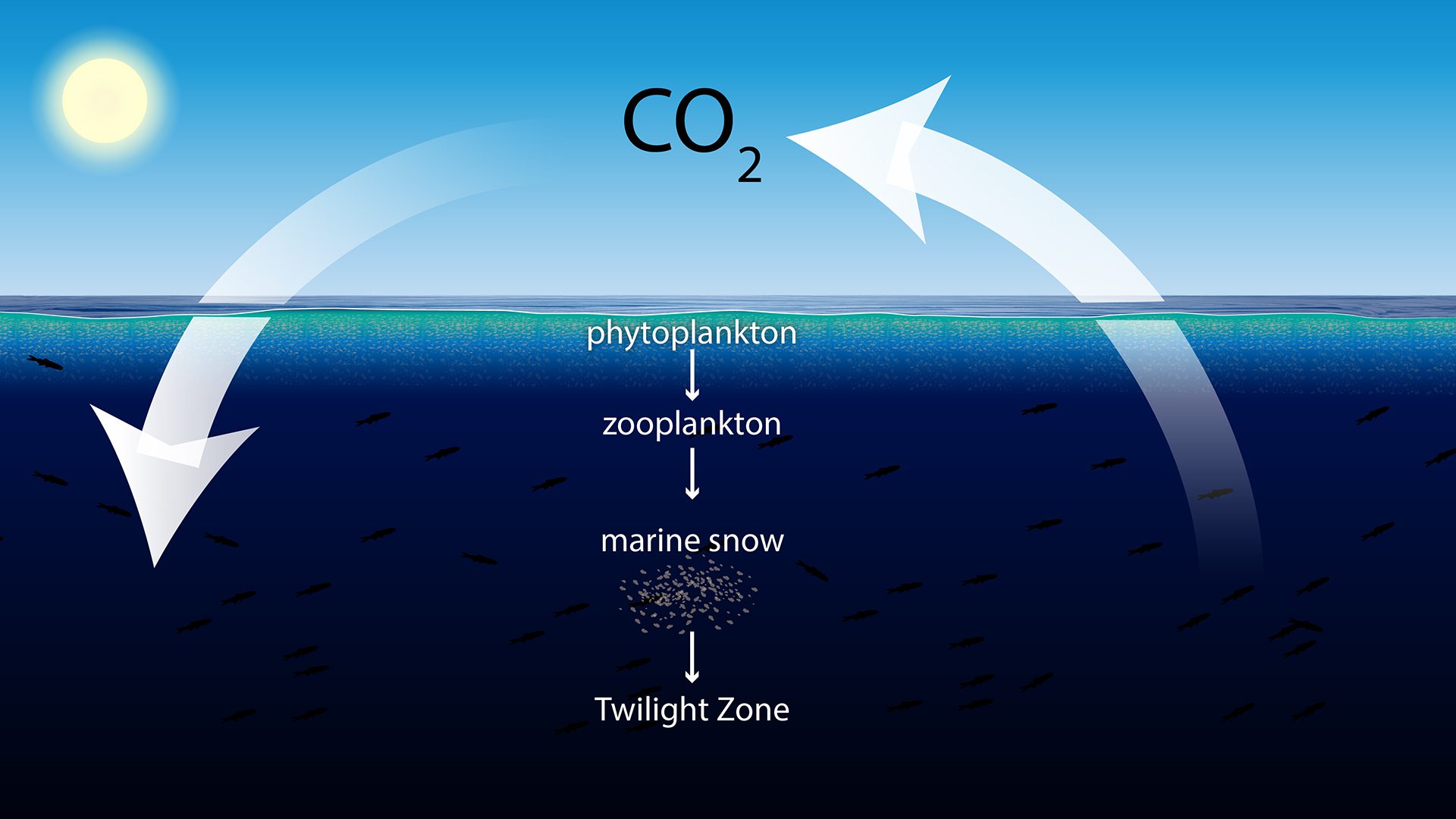
The ocean is a significant carbon sink, absorbing a large amount of CO2 from the atmosphere. This process helps regulate Earth’s climate but can also lead to ocean acidification.
Read MoreDiatoms and Bacteria: A Complex Ocean Partnership
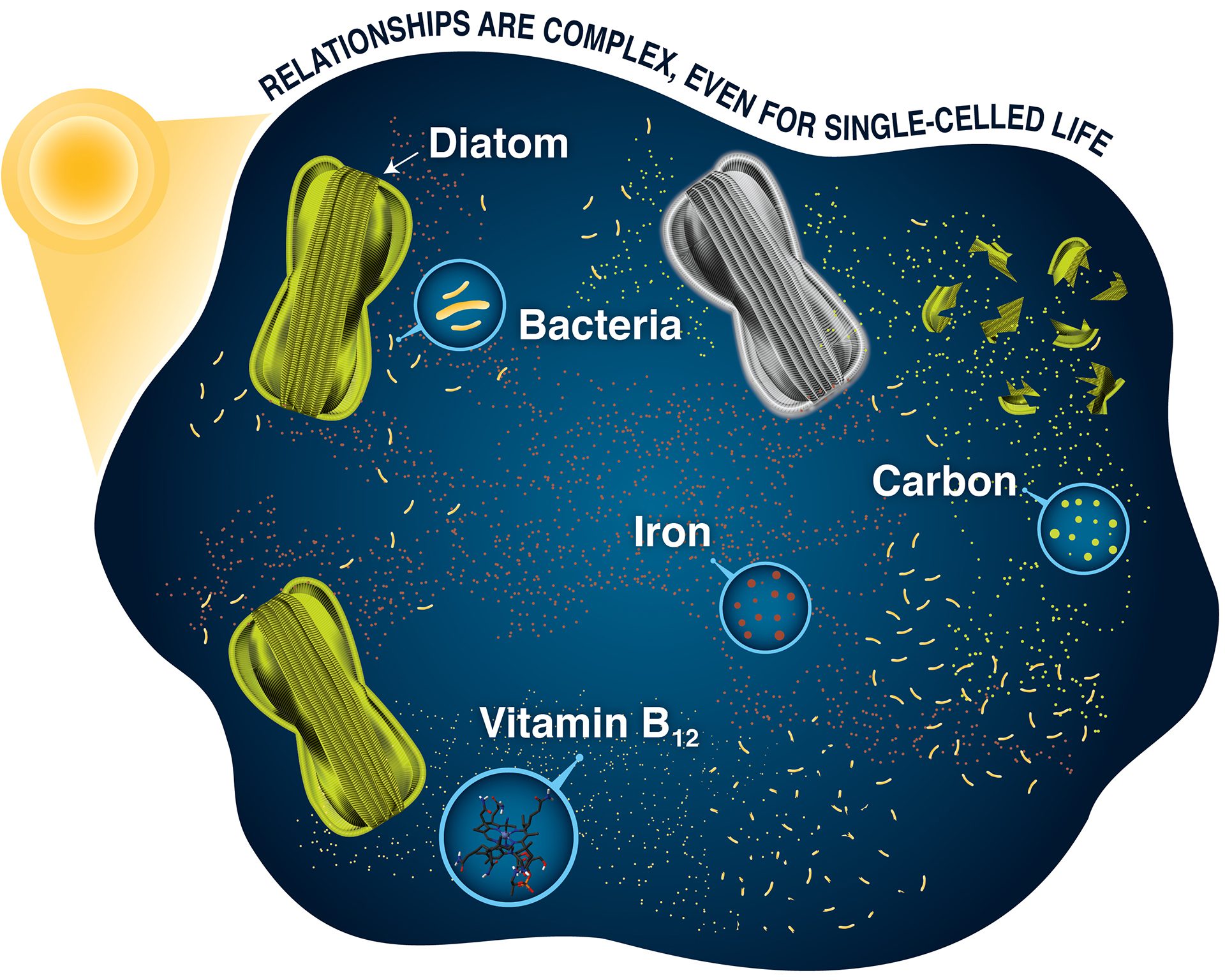
Diatoms and bacteria rely on each other for nutrients like organic carbon and B12 but compete for scarce iron, creating a delicate balance in ocean chemistry.
Read MoreOTZ Mixing Pump and Migration Pump
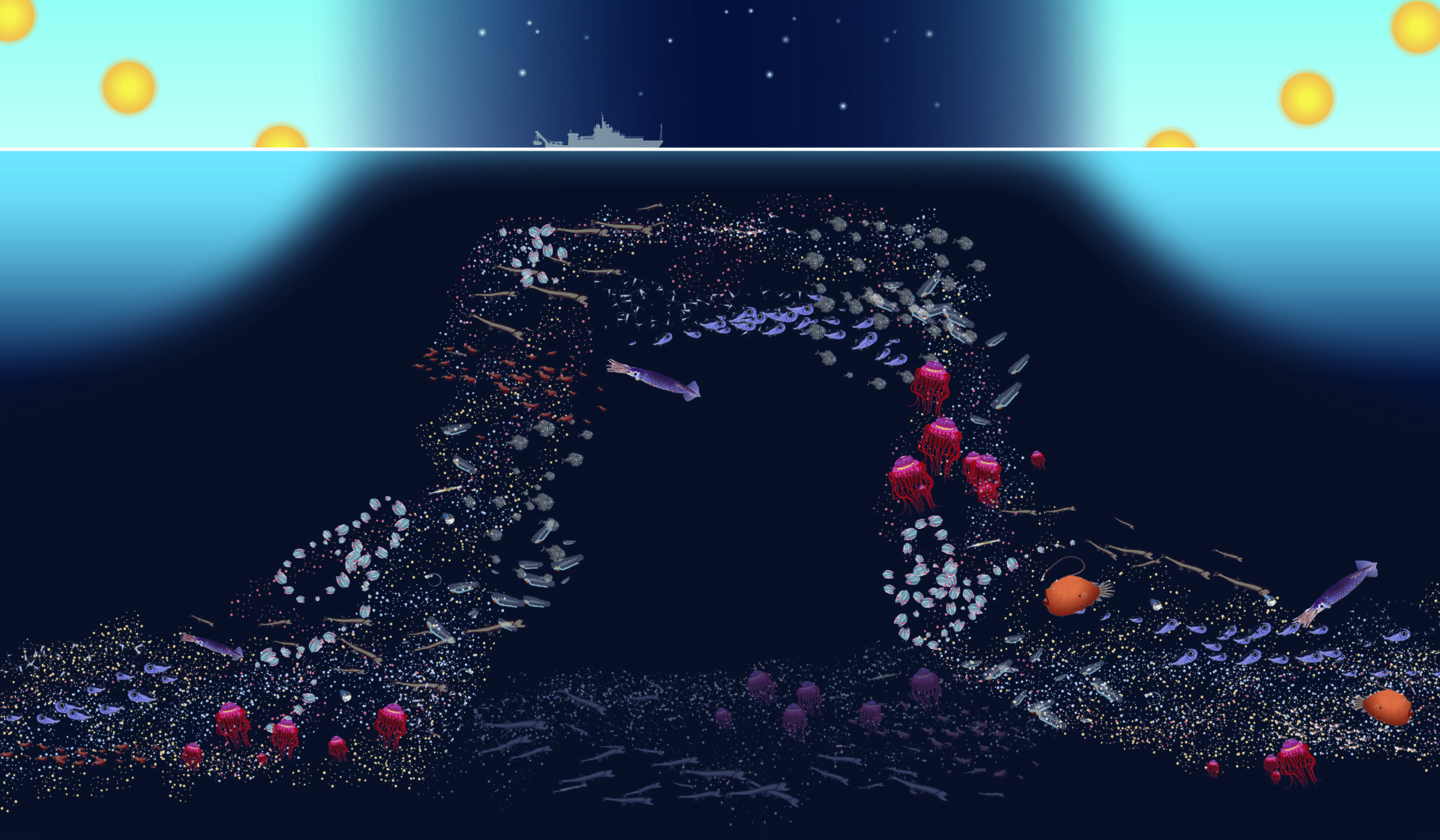
Each night, millions of ocean animals migrate upward to feed, then descend at dawn, actively transporting carbon from surface waters to the deep in Earth’s largest animal migration.
Read MoreProcess showing how methane is derived from photosynthetic bacteria
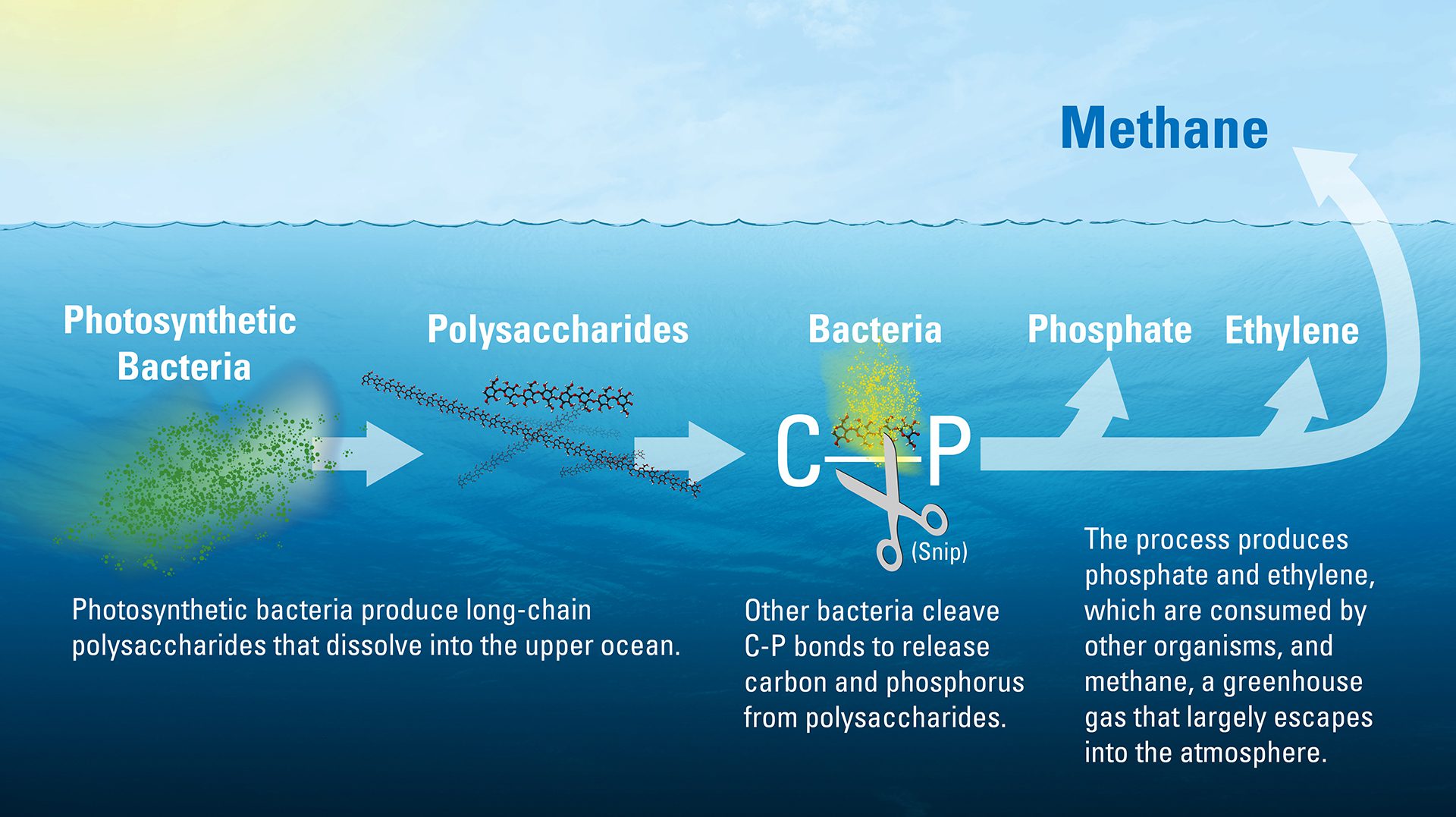
Scientists discovered that photosynthetic bacteria in surface waters produce sugar chains broken down by other bacteria, releasing methane—a new microbial source of this greenhouse gas.
Read More