
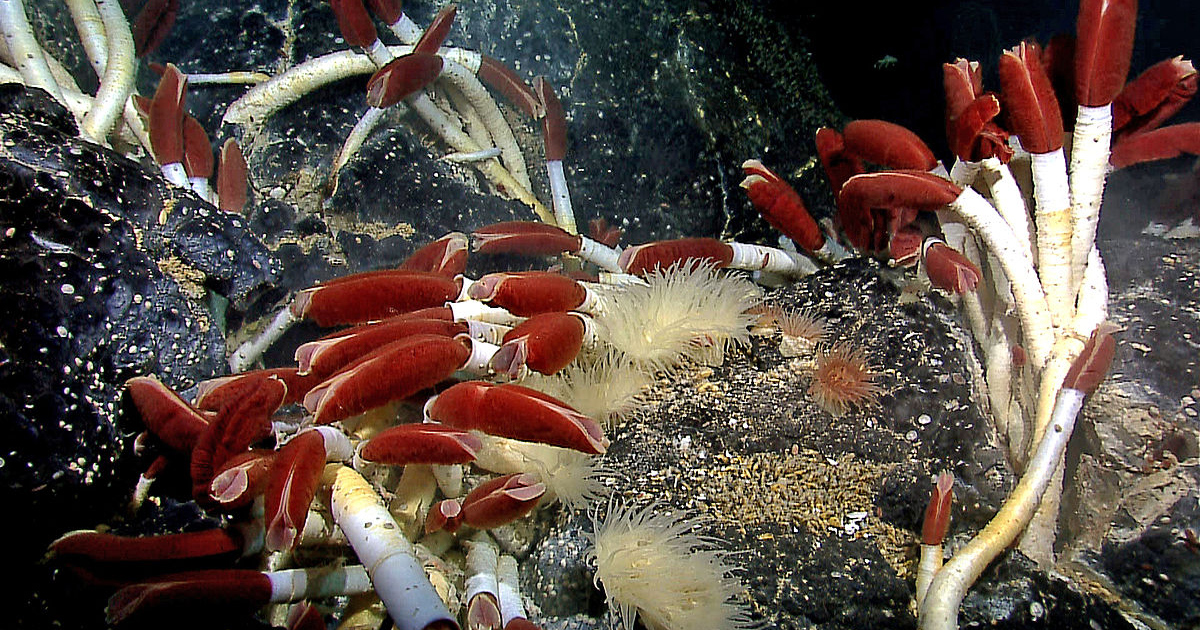
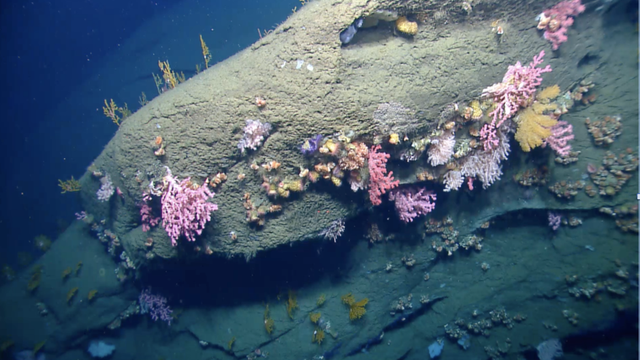
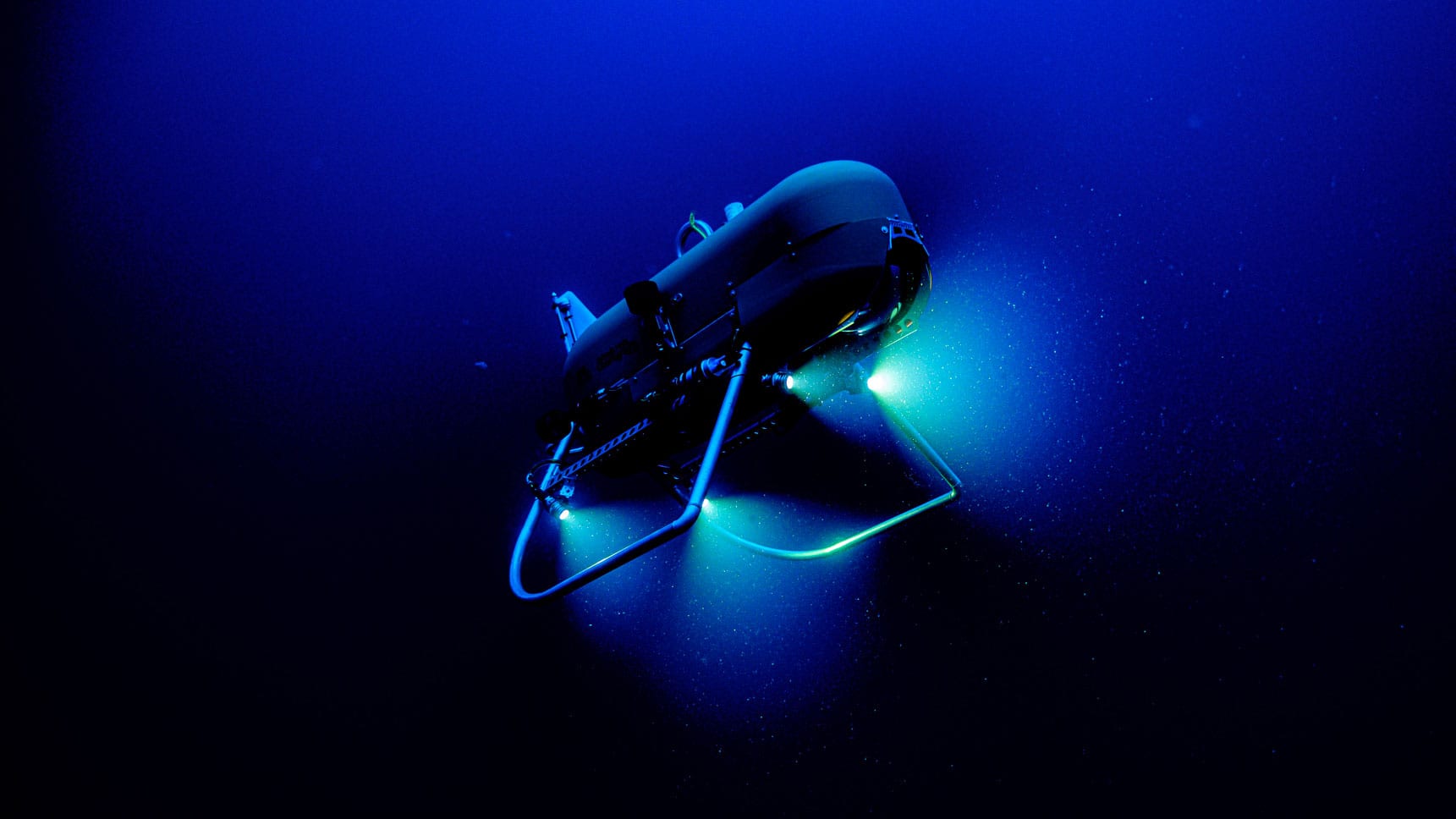
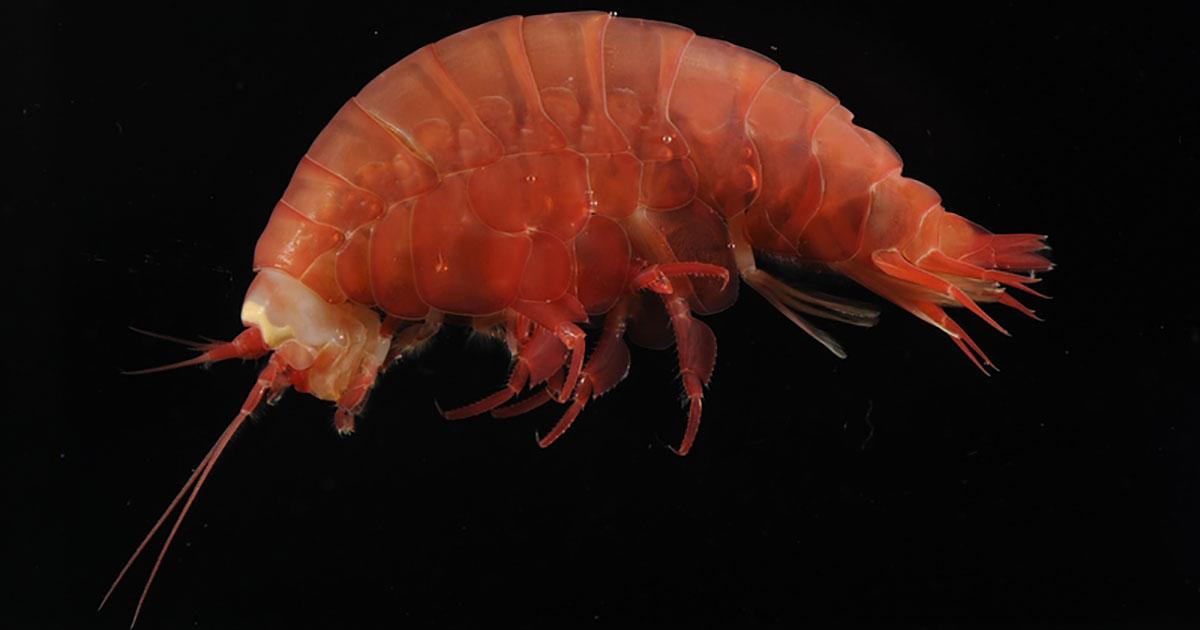
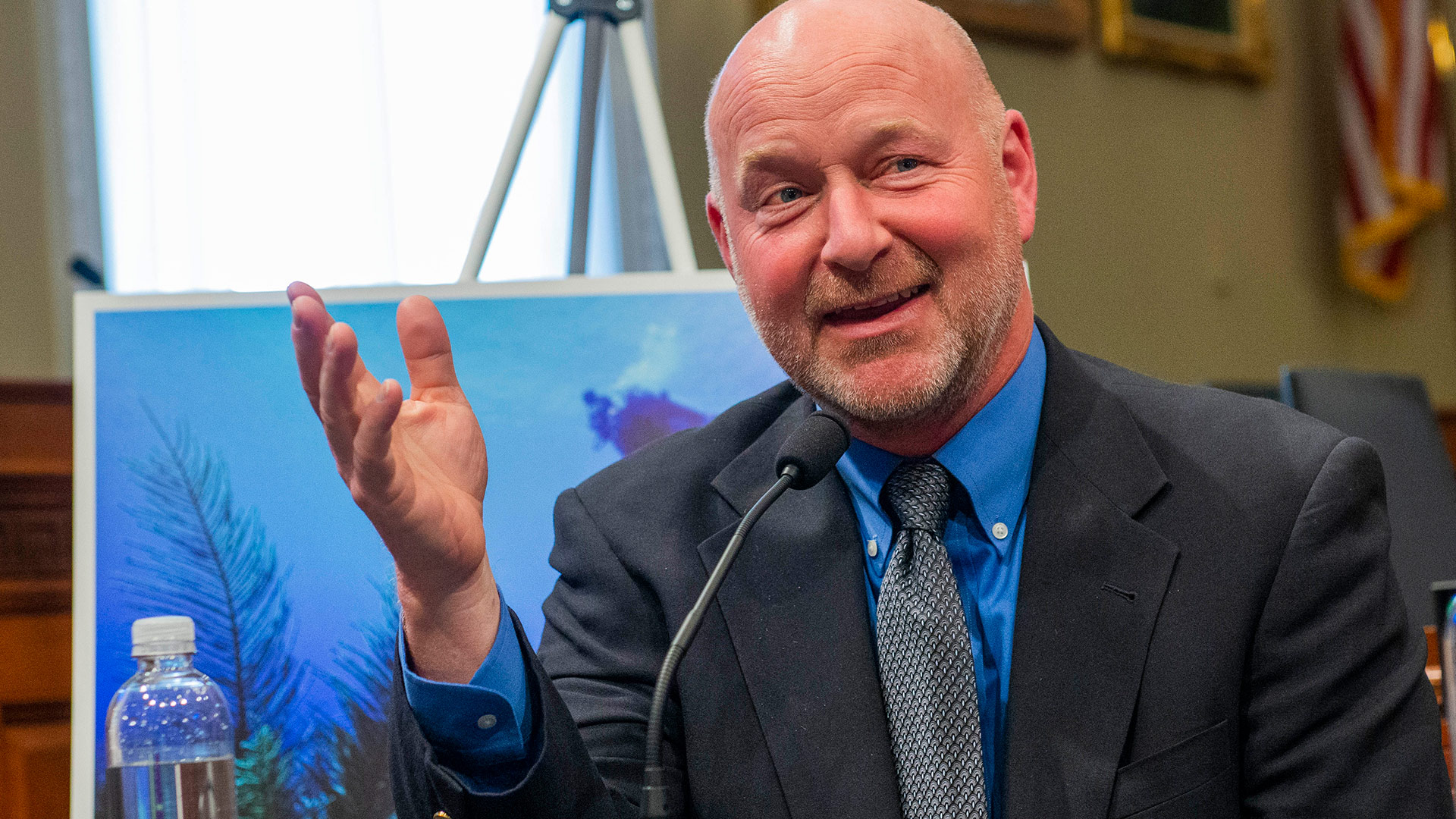
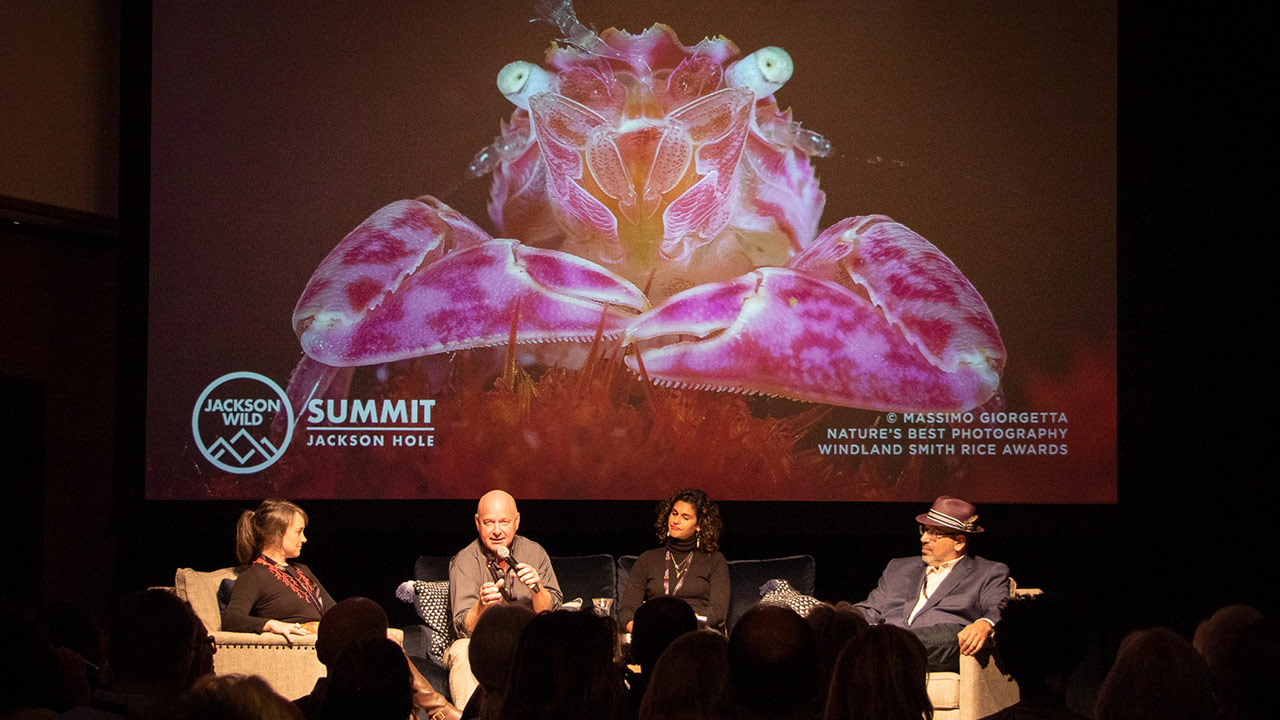
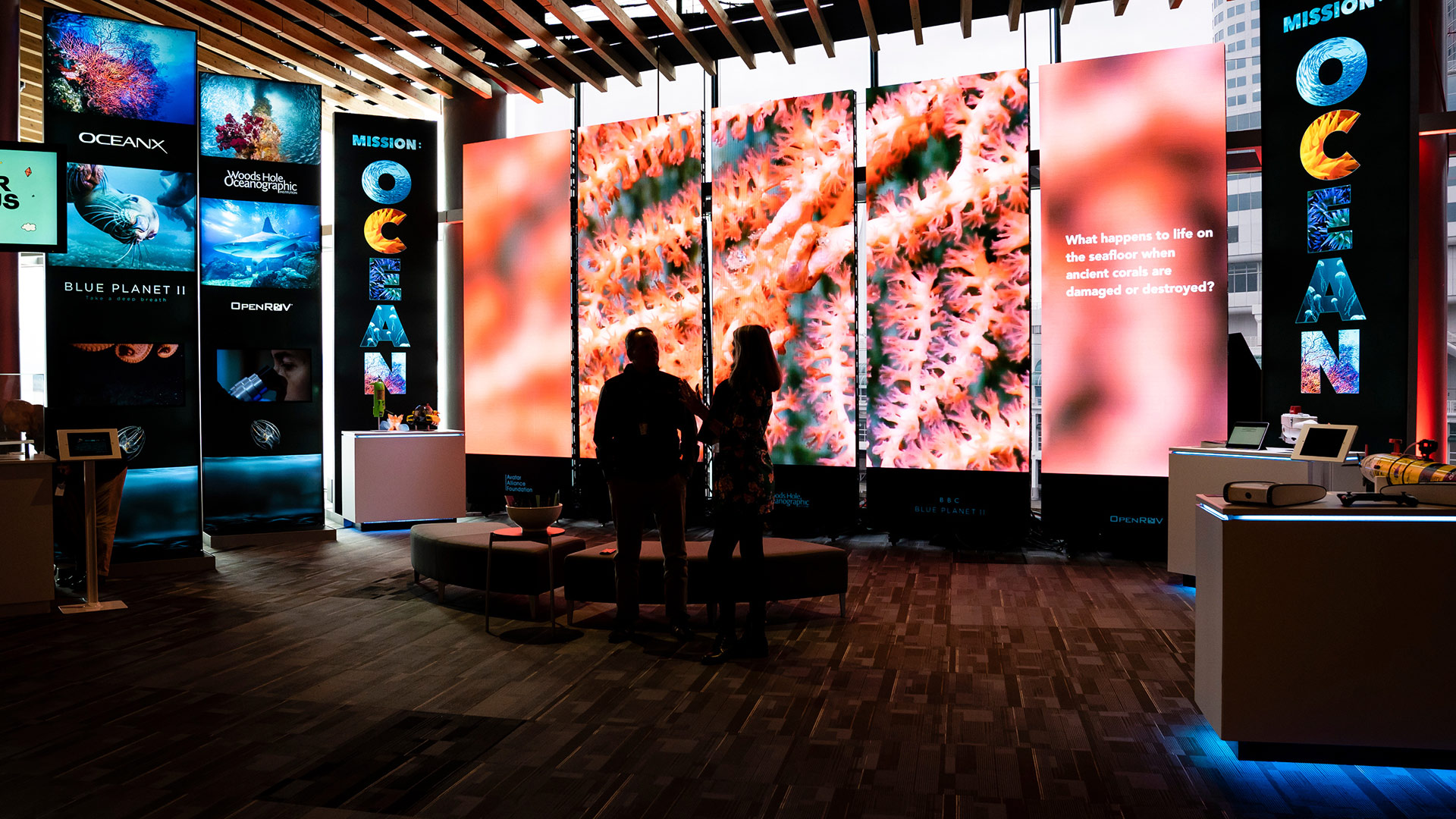
Research interests of Timothy Shank’s Molecular Ecology & Evolution Lab are focused on understanding ecological and evolutionary processes that structure the diversity of deep-ocean benthic communities, including larval dispersal, colonization, habitat utilization, genetic connectivity, and the evolutionary relationships of invertebrate fauna. These studies include seamount and chemosynthetic ecosystems intimately tied to planetary processes significant to the evolution of life on earth.
Recent News

Recent peer-reviewed publications
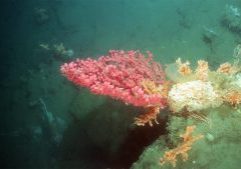
Oceanographic Drivers of Deep-Sea Coral Species Distribution and Community Assembly on Seamounts, Islands, Atolls, and Reefs Within the Phoenix Islands Protected Area. Frontiers in Marine Science. Steven R. Auscavitch, Mary C. Deere, Abigail G. Keller, Randi D. Rotjan, Timothy M. Shank and Erik E. Cordes. https://www.frontiersin.org/articles/10.3389/fmars.2020.00042/full#supplementary-material
Animal community dynamics at senescent and active vents at the 9°N East Pacific Rise after a volcanic eruption. Frontiers in Marine Science. Gollner, S., B. Govenar, P.M. Arbizu, L.S. Mullineaux, S. Mills, N. Le Bris, M. Weinbauer, T.M. Shank and M. Bright. https://doi.org/10.3389/fmars.2019.00832
Multiple Spatially Distinct Introductions and not Range Expansion May Explain Colonization History in an Invasive Marine Shrimp. Marine Biology 166: 67. Bors, E.K., J.T. Carlton, and T.M. Shank (2019) https://doi.org/10.1007/s00227-019-3514-4
Population genomics of rapidly invading lionfish in the Caribbean reveals signals of range expansion in the absence of spatial population structure. Ecology and Evolution. 9(6): 3306-3320. Bors, E. K., S. Herrera, J.A. Morris, and T.M. Shank (2019) https://onlinelibrary.wiley.com/doi/10.1002/ece3.4952
A new species of Alvinocaris (Crustacea: Decapoda: Caridea: Alvinocarididae) from Costa Rican methane seeps. Zootaxa. 4504(3): 418–430. Martin, J.W. A.R. Wall, T.M. Shank, H. Cha, C.A. Seid and G.W. Rouse (2018) https://www.researchgate.net/publication/328515036_A_new_species_of_Alvinocaris_Crustacea_Decapoda_Caridea_Alvinocarididae_from_Costa_Rican_methane_seeps
Shipboard design and fabrication of custom 3D-printed soft robotic manipulators for the investigation of delicate deep-sea organisms. PLoS ONE. 13(8): e0200386. Vogt, D.M., K.P. Becker, B.T. Philips, M.A. Graule, R. Rotjan, and T.M. Shank (2018) https://journals.plos.org/plosone/article?id=10.1371/journal.pone.0200386
IN THE NEWS
RELATED WORK
FOLLOW US ON TWITTER
@shanklab_WHOI