South Georgia
South Georgia
2013
After spending a couple days at sea, the ship reached the sub-Antarctic island of South Georgia. The island is long (170 km), narrow (2-40 km wide) and mountainous with many glaciers. South Georgia lies along the Scotia Arc and is about 1400 km south and east of the Falkland Islands. The island is home to a vast concentration of wildlife, including penguins, albatross and seals. Today we landed on Salisbury Plain in the Bay of Isles near the northwest end of the island. This area has a large king penguin colony and many thousands of Antarctic fur seals breeding along the beaches.
South Georgia and the South Sandwich Islands in United Kingdom (From Wikipedia, the free encyclopedia)
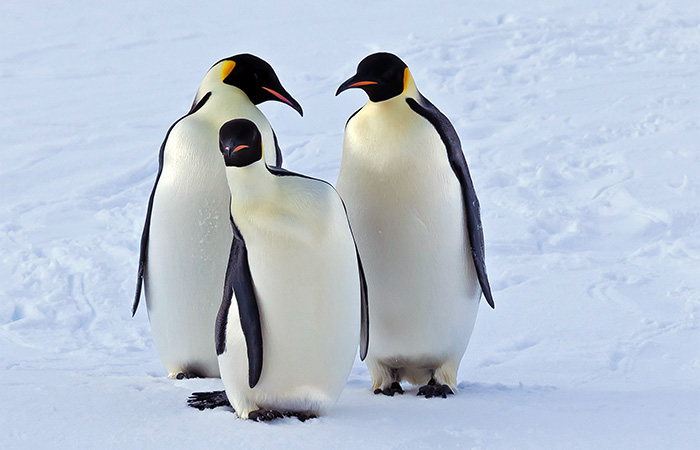
King penguins are the second largest extant penguin in the world and the largest breeding penguin found on South Georgia. They are almost a meter tall (about 3 feet) with a black back and a white belly. They have vivid orange patches on their black head and bright orange on their lower beak. They nest in dense colonies but do not make a nest; instead they hold their single eggs on top of their feet keeping them warm with a flap of skin near their bellies. At Salisbury Plain there are about 40,000 breeding pairs, with close to 500,000 breeding pairs on all of South Georgia. It takes nearly 14 months for king penguin to breed and raise a chick (Incubation = 2 months, chick rearing / growth until fledging = 11-12 months). This long breeding schedule means that adults can only raise about 2 chicks every three years. These birds are deep divers and have a diet mainly of squid and mesopelagic lanternfish (myctophids).
Mike and King Penguins
Today we repaired and installed a time-lapse camera that my colleague Dr. Tom Hart has installed at this breeding colony some years before. These tiny cameras last the entire year and are pointed at the breeding colony and it programed to take one picture every hour. This allows us to determine when penguins return to their breeding colony at the start of the summer, when they lay their eggs, when chicks hatch and how fast they grow, and when chicks are abandoned by their parents and become independent. This season we have been collecting feather and eggshells samples from colonies that Tom has set up cameras to relate the above indices of breeding biology with dietary information derived from stable isotope analyses. You can take a look at Tom’s website (www.penguinlifelines.org) to learn more about this project and the types of work we do with cameras.
Penguin Cam Video from Penguin Lifelines Project
Mike: King Penguins on South Georgia
January 2, 2013
Happy New Year from South Georgia!