Welcome to the Tarrant Lab

Print version E-mail to a friend
Text Size: Change text to small (default) Change text to medium Change text to large
Lab Summer 2011: (clockwise from upper left) Ann Tarrant, Adam Reitzel (Postdoctoral Fellow), Jacky Kwock (guest student, Chinese University of Hong Kong), Jessica Morgan (Plymouth North High School), Not pictured: Amalia Aruda (Ph.D. Student) Amy Maas (Postdoctoral Scholar)

null
Enlarge Image
Summer 2008 : (from left) Ann Tarrant, Amalia Aruda (summer student fellow, Georgetown University), Allison Tracy (guest student, Princeton University), Adam Reitzel (postdoctoral scholar)


Research Interests

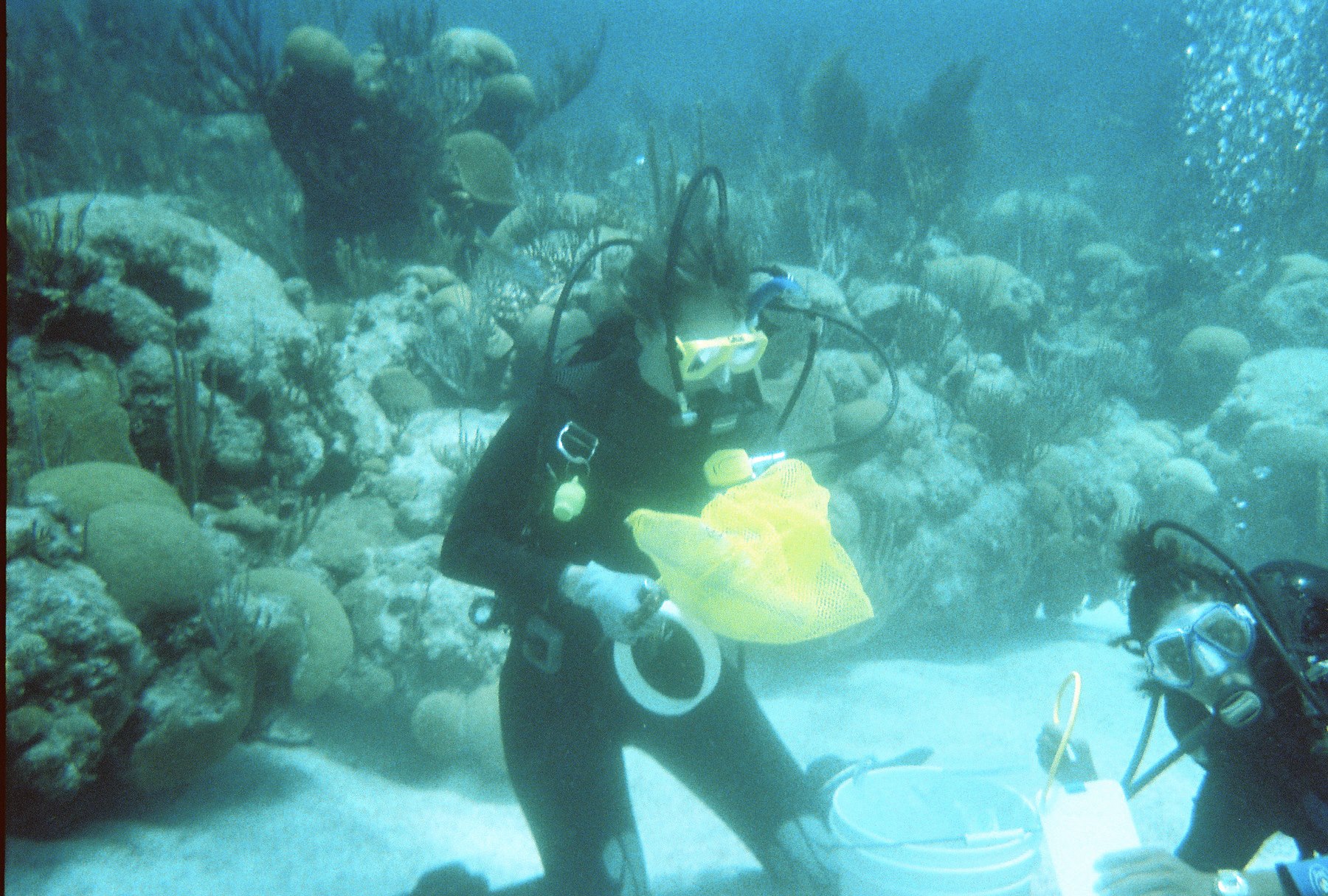
We use molecular tools to better understand how animals respond to changes and stresses in the environment. Our approach is highly comparative.

NEW!! This summer (2012) we have been actively updating and redesigning this website. A few pages are still blank, but we are making progress...please check again soon!

NEW! In January 2013, we will be hosting a symposium titled “Keeping time during animal evolution: conservation and innovation of the circadian clock"at the annual meeting of the Society of Integrative and Comparative Biology (SICB). Please see our symposium website for more details.

Two areas of current research are listed below. Additional information is provided through the links on the left.


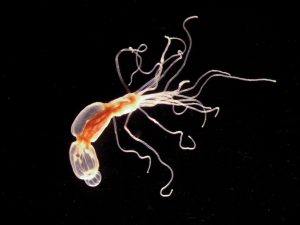
Cnidarian Regulatory Biology and Stress Responses

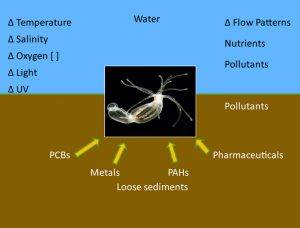
We study hormonal signaling in corals and sea anemones and are particularly interested in regulation of reproduction. Reef-building corals are exposed to chemical contaminants, sedimentation, extreme temperatures and other stressors. It is not clear how these distinct stressors may interact to disrupt natural signaling pathways.

Cnidarians also provide unique insight into the origins of endocrine signaling and animal complexity. Cnidarians are organized at a "tissue level." That is, they don't have discrete organs, a circulatory system or true endocrine signaling. How does hormonal signaling occur in these animals? What hormones and hormone receptors are important in cnidarian physiology? How have these signals changed during animal evolution? How do cnidarians perceive and respond to their environment?


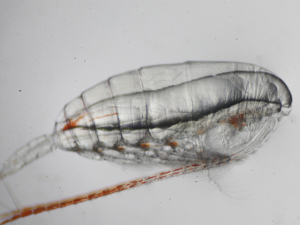
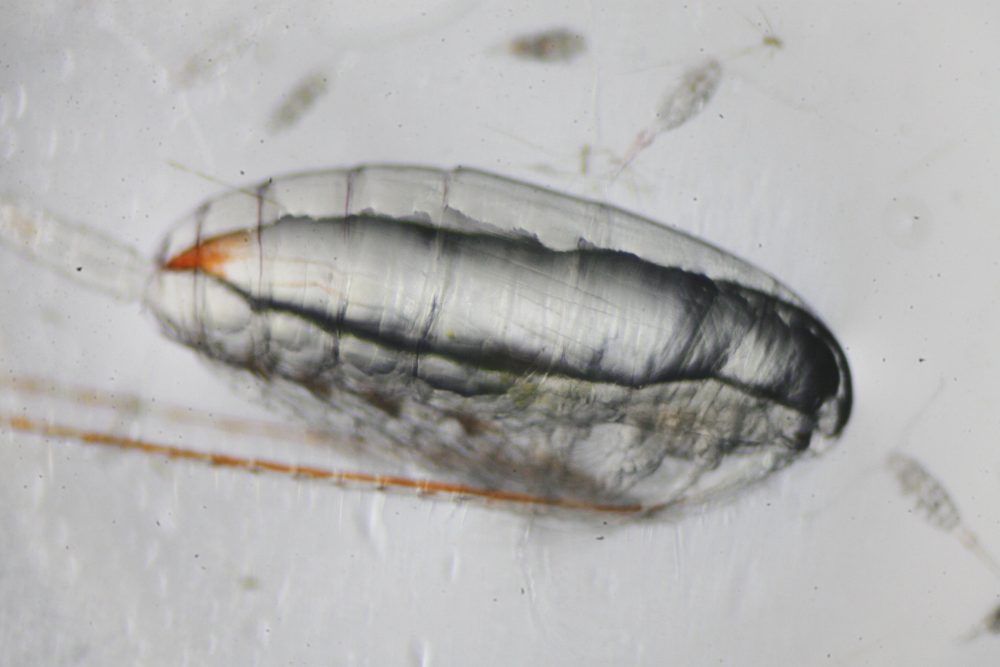
Regulation of Calanoid Copepod Diapause

We are interested in the physiological signals that trigger the iniitiation, maintenance and termination of diapause in the calanoid copepod Calanus finmarchicus.


WHOI logo

rss headlines

Last updated July 14, 2012
© Woods Hole Oceanographic Institution. All rights reserved